


Ferenz Kersch
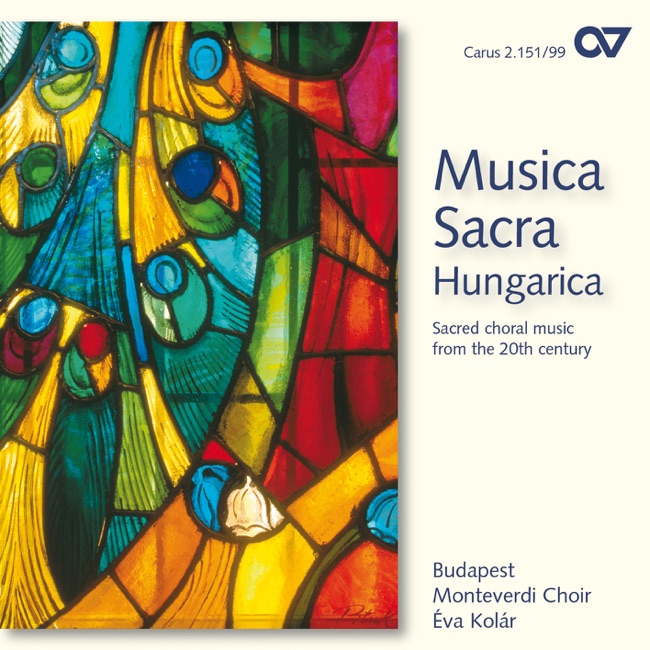
Released Album
Choral
Artist Info
Role:ComposerCountry: HungaryBirth:1853 in HungaryDeath:1910Period:ModernGenre:ChoralFerenz Kersch was a Hungarian composer born on January 12, 1891, in Budapest. He was the youngest of four children and grew up in a musical family. His father was a violinist, and his mother was a pianist. Kersch showed an early interest in music and began playing the piano at the age of four. Kersch's parents recognized his talent and encouraged him to pursue music. He began studying the piano with his mother and later with Istvan Thoman, a renowned Hungarian pianist. Kersch also studied composition with Hans Koessler at the Franz Liszt Academy of Music in Budapest. In 1914, Kersch was drafted into the Austro-Hungarian army and served in World War I. He was wounded in battle and spent several months in a military hospital. During his recovery, Kersch continued to compose music and wrote several pieces for piano. After the war, Kersch returned to Budapest and resumed his studies at the Franz Liszt Academy of Music. He graduated in 1920 and began working as a freelance composer. Kersch's early works were influenced by the Romantic composers, particularly Franz Liszt and Richard Wagner. In 1923, Kersch married a pianist named Maria Szekely. The couple had two children, a son named Ferenz Jr. and a daughter named Maria. Kersch's wife often performed his piano works in concerts. Kersch's music began to gain recognition in Hungary, and he received several commissions for new works. In 1927, he was awarded the Franz Liszt Prize for his Piano Concerto No. 1. The concerto was premiered by the Hungarian State Orchestra with Kersch's wife as the soloist. Kersch continued to compose throughout the 1930s and 1940s. His music evolved, and he began incorporating elements of Hungarian folk music into his compositions. Kersch's most famous work from this period is his Hungarian Rhapsody No. 2 for piano, which became a popular concert piece. During World War II, Kersch's music was banned by the Nazi regime, and he was forced to go into hiding. He continued to compose in secret and wrote several pieces for piano during this time. After the war, Kersch's music was once again performed in Hungary. He received several commissions for new works, including his Symphony No. 1, which was premiered by the Hungarian State Orchestra in 1948. In 1950, Kersch was awarded the Kossuth Prize, the highest honor for artists in Hungary. The prize recognized his contributions to Hungarian music and his dedication to preserving Hungarian folk music in his compositions. Kersch continued to compose until his death on December 22, 1955. His music remains popular in Hungary and is performed by pianists and orchestras around the world. Kersch's legacy as a composer is his ability to blend the Romantic tradition with Hungarian folk music, creating a unique and distinctive style.More....
Recent Artist Music

Copyright Ⓒ 2013 Davinci Finger. All rights reseved
Service Terms & Policy