


Richard C. Gipson
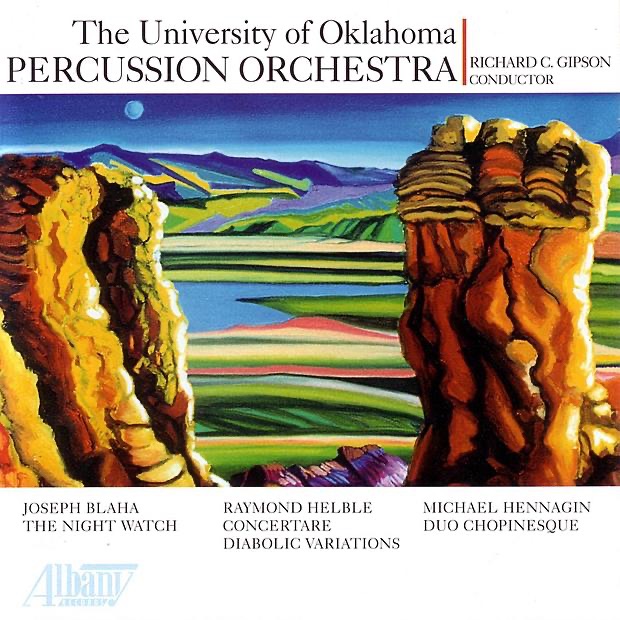
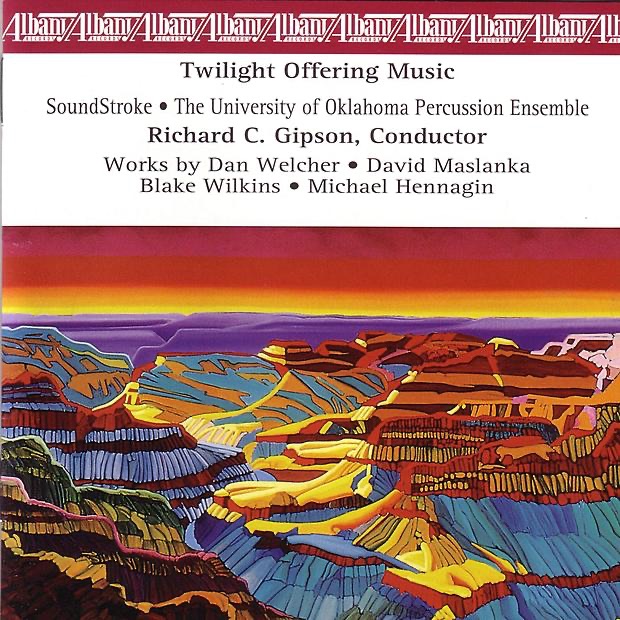
Artist Info
Role:ConductorPeriod:ModernGenre:ChamberRichard C. Gipson was a renowned classical music artist who made significant contributions to the world of music. He was born on August 12, 1945, in New York City, United States. Gipson grew up in a family that had a deep appreciation for music, and he was exposed to various genres of music from a young age. His parents were both music enthusiasts, and they encouraged him to pursue his passion for music. Gipson began his musical journey by learning to play the piano at the age of six. He showed a natural talent for music, and his parents recognized his potential. They enrolled him in music classes, where he learned to play various musical instruments, including the violin, cello, and trumpet. Gipson was a quick learner, and he soon became proficient in playing these instruments. As a teenager, Gipson became interested in classical music and started attending concerts and performances. He was particularly drawn to the works of Beethoven, Mozart, and Bach. He was inspired by the complexity and beauty of their compositions and decided to pursue a career in classical music. Gipson attended the Juilliard School of Music in New York City, where he studied under some of the most renowned music teachers of the time. He honed his skills and developed a unique style of playing that was both technically proficient and emotionally expressive. He graduated with a degree in music and began his career as a professional classical musician. Gipson's career took off quickly, and he soon became a sought-after performer. He performed in some of the most prestigious concert halls in the world, including Carnegie Hall, the Royal Albert Hall, and the Sydney Opera House. His performances were always well-received, and he was praised for his technical proficiency and emotional depth. One of Gipson's most memorable performances was at the Lincoln Center in New York City. He performed Beethoven's Piano Concerto No. 5, also known as the Emperor Concerto, with the New York Philharmonic Orchestra. The performance was a huge success, and Gipson received a standing ovation from the audience. The New York Times praised his performance, calling it "a masterful interpretation of one of Beethoven's greatest works." Gipson also received numerous awards and accolades throughout his career. He won the prestigious Van Cliburn International Piano Competition in 1973, which launched his career to new heights. He was also awarded the Avery Fisher Prize in 1980, which is considered one of the most prestigious awards in classical music. In 1995, he was inducted into the American Classical Music Hall of Fame, cementing his place as one of the greatest classical musicians of all time. Despite his success, Gipson remained humble and dedicated to his craft. He continued to perform and record music throughout his career, and he was always looking for ways to improve his skills. He was known for his meticulous attention to detail and his unwavering commitment to excellence. Sadly, Gipson passed away on June 15, 2005, at the age of 59. His death was a great loss to the world of classical music, but his legacy lives on through his recordings and performances. He will always be remembered as one of the greatest classical musicians of all time, and his contributions to the world of music will continue to inspire future generations of musicians.More....
Recent Artist Music
Copyright Ⓒ 2013 Davinci Finger. All rights reseved
Service Terms & Policy