


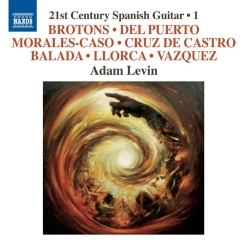
Carlos Cruz de Castro
Released Album
Miscellaneous
-
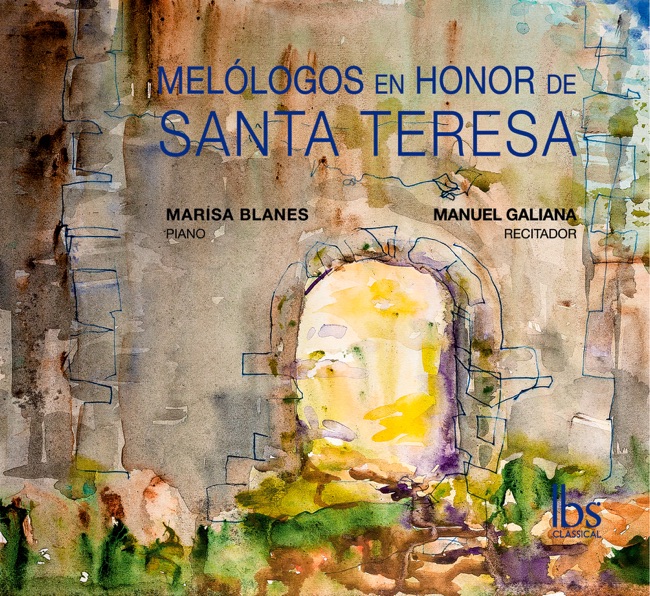 February 5, 2016
 -
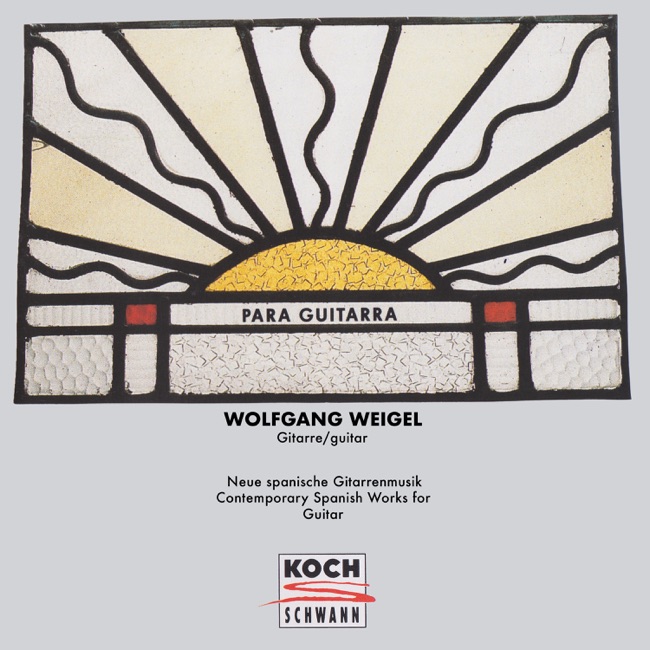 September 15, 1994
Chamber
-
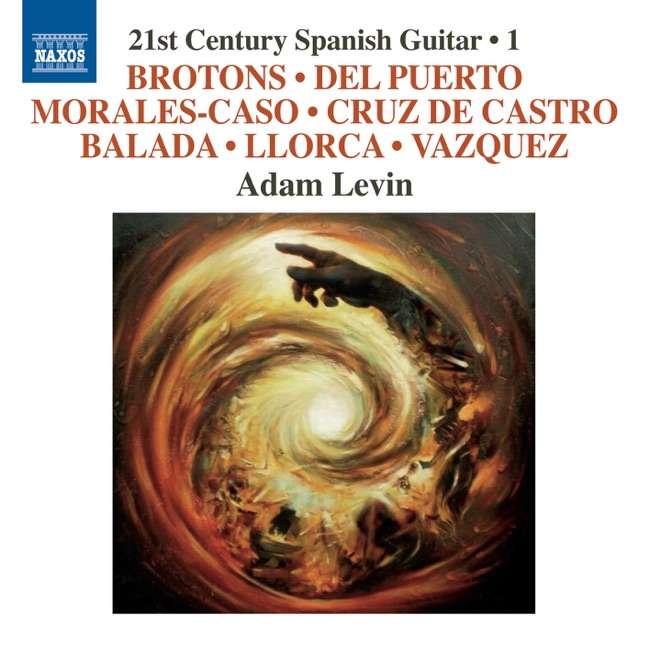 May 28, 2013
 -
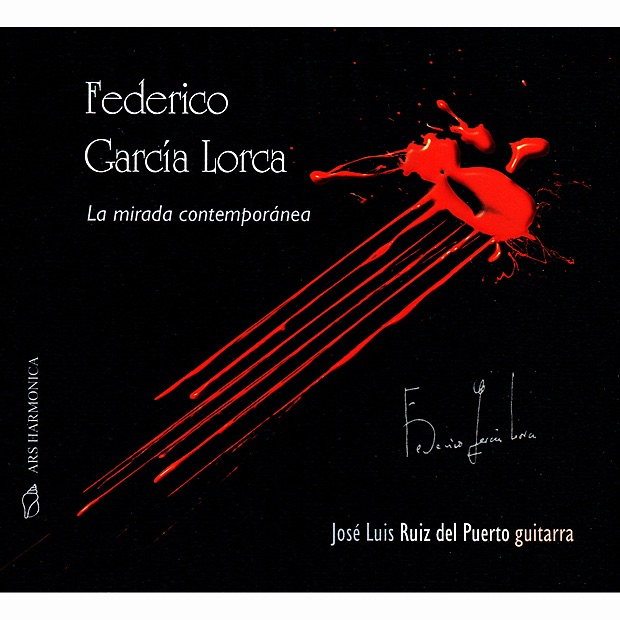 March 13, 2012
Keyboard
-
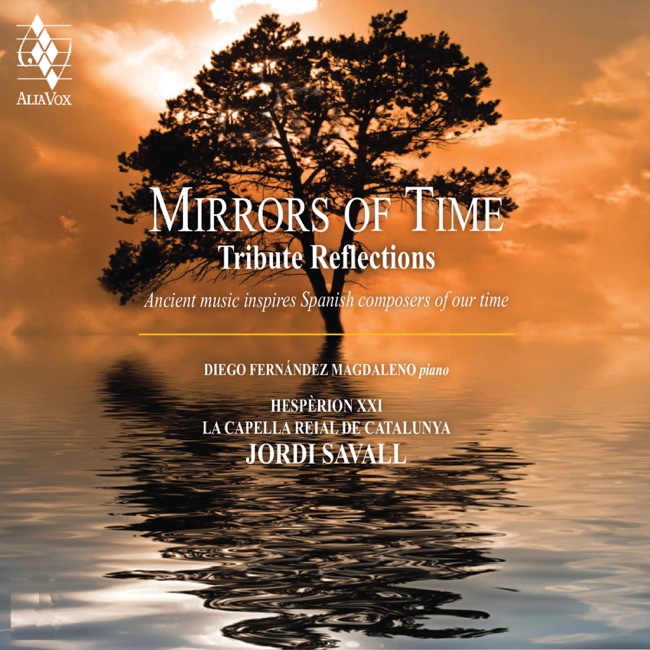 April 26, 2024
Concerto
-
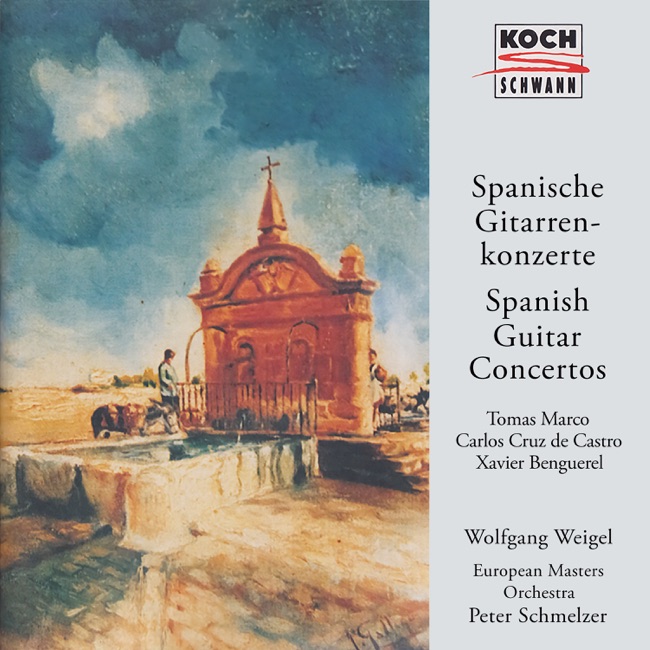 September, 1994
Artist Info
Role:ComposerBirth:1941Period:ContemporaryModernGenre:ChamberConcertoCarlos Cruz de Castro was a Spanish composer born on May 2, 1936, in Madrid. He was the son of a well-known Spanish painter, Carlos Cruz-Diez, and grew up in a family that valued the arts. From a young age, he showed a great interest in music and began studying piano and composition at the Madrid Royal Conservatory of Music. After completing his studies, Cruz de Castro traveled to Paris to continue his education at the École Normale de Musique de Paris. There, he studied with renowned composers such as Olivier Messiaen and Nadia Boulanger, who had a significant influence on his musical style. Cruz de Castro's early works were heavily influenced by the avant-garde movement of the 1960s, which emphasized experimentation and innovation in music. His compositions during this period were characterized by their use of unconventional techniques, such as extended techniques on instruments and electronic manipulation of sound. One of his most notable works from this period is "Cantata del Gallo," which was composed in 1964. The piece is a vocal work that incorporates elements of Spanish folk music and features a soloist accompanied by a small ensemble. The work was well-received and helped establish Cruz de Castro as a leading figure in the Spanish avant-garde music scene. In the 1970s, Cruz de Castro's music began to shift towards a more tonal and melodic style. He began incorporating elements of traditional Spanish music into his compositions, such as flamenco rhythms and melodies. This change in style was influenced by his growing interest in the music of Spanish composers such as Manuel de Falla and Joaquín Rodrigo. One of his most famous works from this period is "Concierto del Sur," which was composed in 1976. The piece is a guitar concerto that features a soloist accompanied by a full orchestra. The work is heavily influenced by flamenco music and features intricate guitar solos and rhythmic patterns. In the 1980s and 1990s, Cruz de Castro continued to explore new musical styles and techniques. He began incorporating elements of jazz and rock music into his compositions, as well as experimenting with new forms of electronic music. One of his most notable works from this period is "Tres Piezas Breves," which was composed in 1983. The piece is a trio for violin, cello, and piano that features elements of jazz and rock music. The work is characterized by its use of syncopated rhythms and improvisation. Throughout his career, Cruz de Castro received numerous awards and honors for his contributions to Spanish music. In 1992, he was awarded the National Music Prize by the Spanish Ministry of Culture. He was also a member of the Royal Academy of Fine Arts of San Fernando and the Royal Academy of Fine Arts of Santa Isabel de Hungría. Cruz de Castro continued to compose music until his death on February 17, 2021, at the age of 84. His legacy as one of Spain's most important composers continues to be celebrated by musicians and music lovers around the world.More....
Recent Artist Music
1
28:11
Copyright Ⓒ 2013 Davinci Finger. All rights reseved
Service Terms & Policy