


Josef Antonín Stepán
Released Album
Keyboard
-
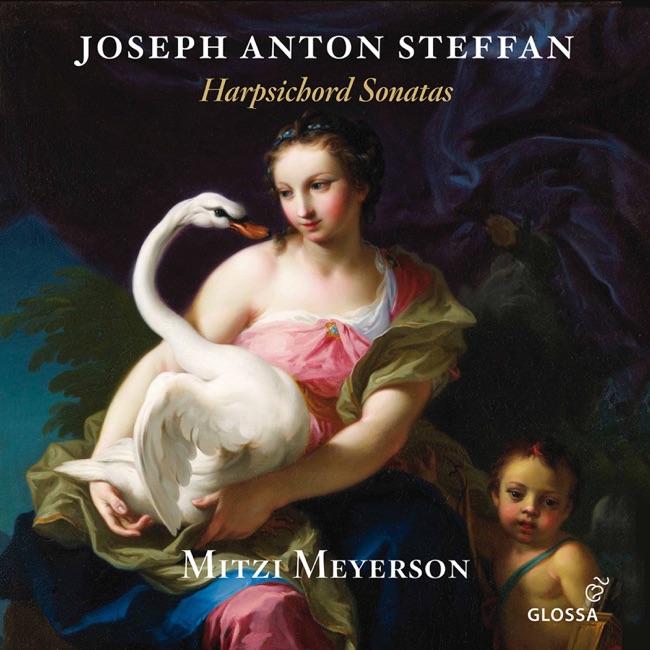 May 21, 2021
 -
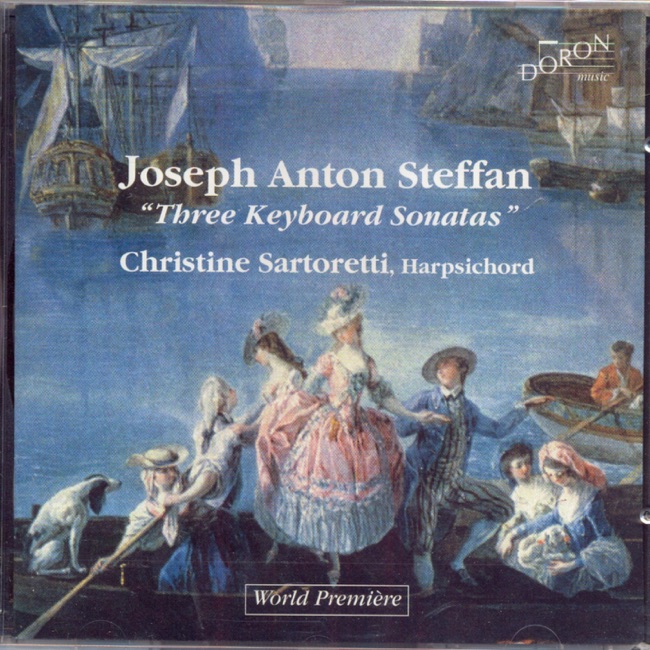 June 26, 2001
Concerto
-
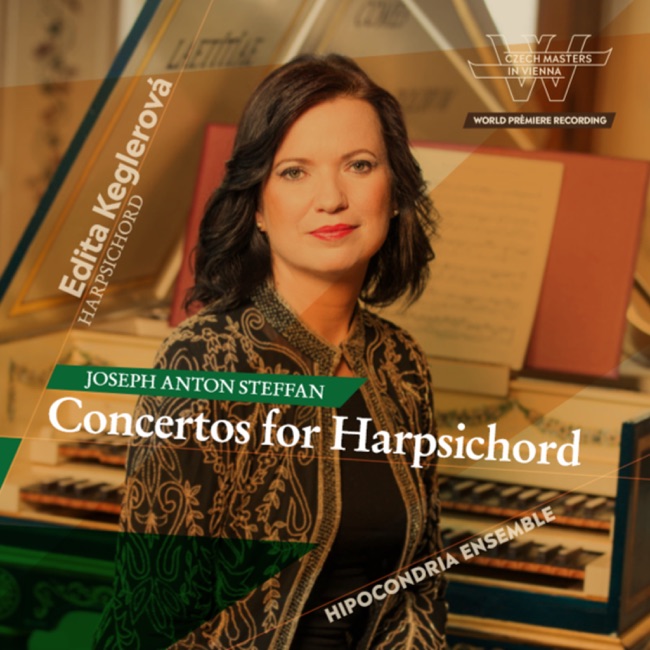 April 3, 2020
 -
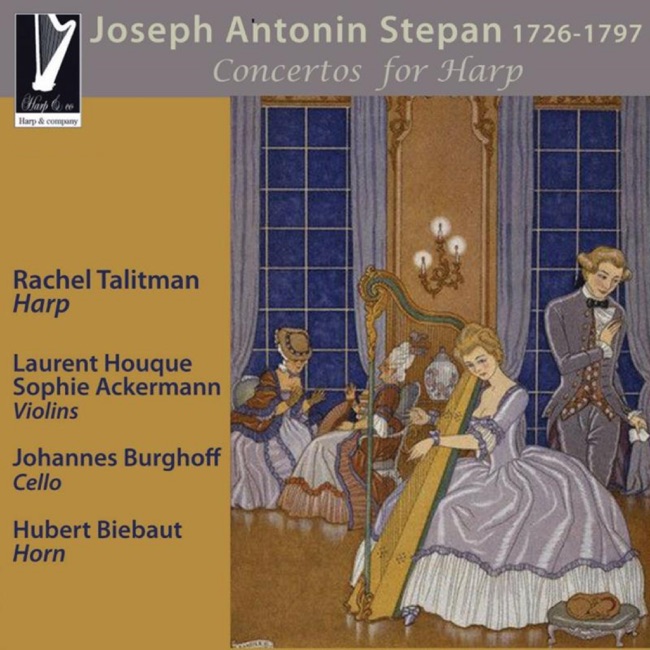 January 18, 2019
Artist Info
Role:ComposerCountry: Czech RepublicBirth:March 14, 1726 in Kopidlno, BohemiaDeath:April 12, 1797 in Vienna, AustriaPeriod:ClassicalGenre:KeyboardJosef Antonín Stepán was a Czech classical music composer born on August 3, 1726, in the town of Petrovice, Bohemia. He was the son of a schoolteacher and organist, and his father was his first music teacher. Stepán showed an early aptitude for music, and by the age of 10, he was already playing the organ in his father's church. Stepán's musical education continued at the Jesuit college in Jindřichův Hradec, where he studied under the composer Jan Zach. After completing his studies, Stepán worked as an organist in various churches in Bohemia, including the Church of St. Nicholas in Prague. In 1752, Stepán was appointed as the court organist to Count Franz von Sporck in Lysá nad Labem. It was during his time in Lysá that Stepán began to compose his own music. His first published work was a set of six sonatas for keyboard, which were published in 1756. Stepán's music was heavily influenced by the Baroque style, but he also incorporated elements of the emerging Classical style. His compositions were known for their technical virtuosity and their expressive melodies. Stepán was particularly skilled at writing for the keyboard, and his keyboard works were highly regarded by his contemporaries. One of Stepán's most famous works is his Concerto for Harpsichord and Strings in D major, which was composed in the late 1750s. The concerto is a virtuosic showcase for the solo harpsichord, with fast runs and intricate ornamentation. The slow movement is a beautiful aria, with a lyrical melody that is reminiscent of the operatic arias of the time. The final movement is a lively dance, with a catchy theme that is sure to get the audience's toes tapping. Another notable work by Stepán is his Sonata in C minor for Keyboard, which was composed in the early 1760s. The sonata is a dramatic and intense work, with a dark and brooding opening movement. The second movement is a beautiful and lyrical aria, while the final movement is a lively and energetic dance. Stepán's music was well-regarded during his lifetime, and he was considered one of the leading composers of his time. However, his music fell out of favor in the years following his death, and it was not until the 20th century that his music began to be rediscovered. Today, Stepán's music is recognized as an important contribution to the classical music canon. His keyboard works, in particular, are highly regarded for their technical virtuosity and their expressive melodies. Stepán's music continues to be performed and recorded by musicians around the world, ensuring that his legacy will live on for generations to come.More....
Recent Artist Music

3

6:17
4

Keyboard Sonata in G minor ('Mariazell Procession'), p. 26
Andante maestoso. Die Vorbereitung zu der Andacht. Allegro - Anna Berg hinauf - Berg herab - Josephs Berg hinauf - Andante - Berg herab. Allegro
11:8
Copyright Ⓒ 2013 Davinci Finger. All rights reseved
Service Terms & Policy