


Claudio Santoro
Released Album
Keyboard
-
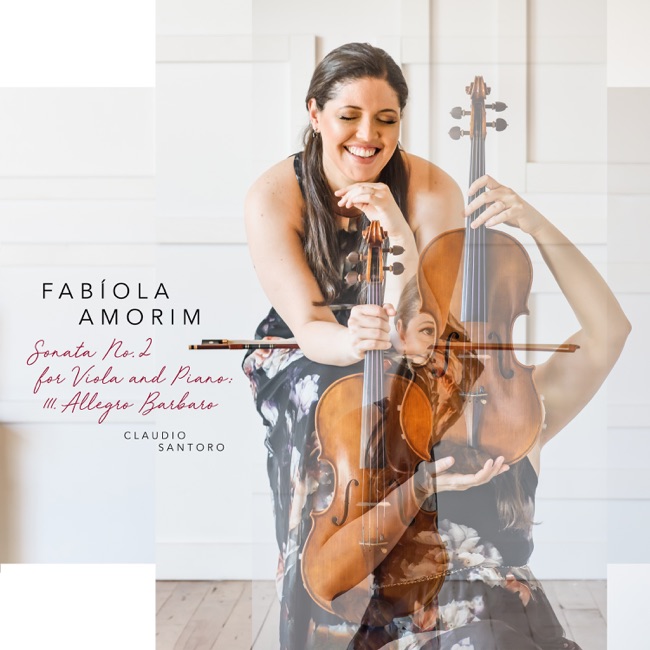 September 30, 2022
 -
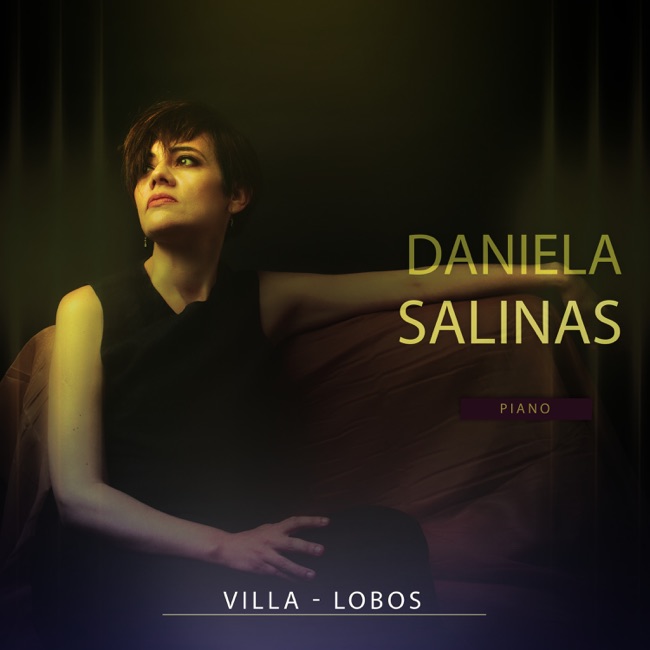 September 10, 2020
 -
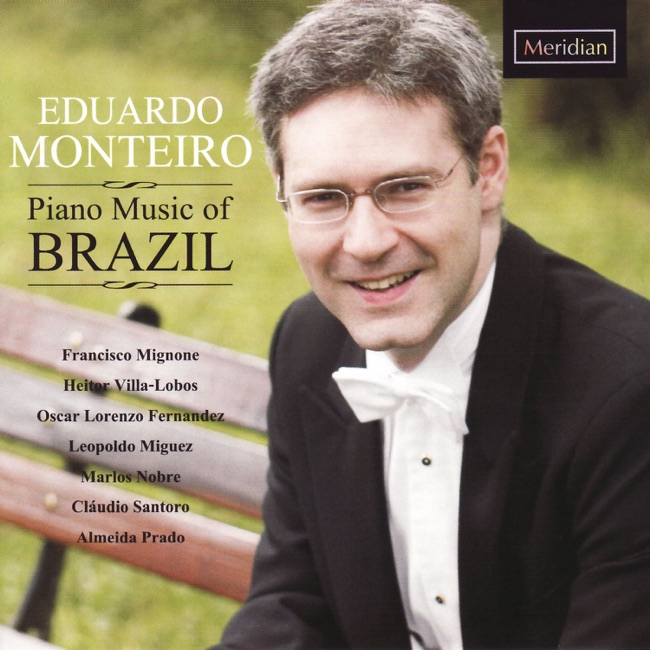 March 11, 2008
 -
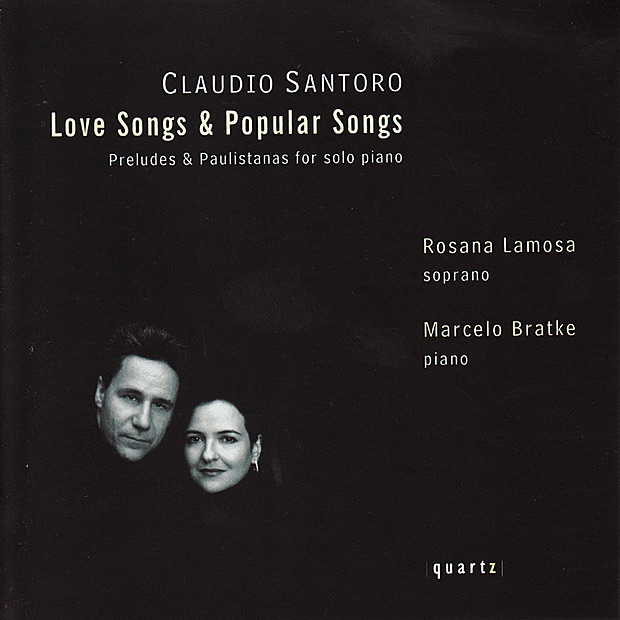 January 10, 2006
 -
 January 4, 2005
 -
 January 1, 2001
Symphony
-
-
 March 11, 2022
 -
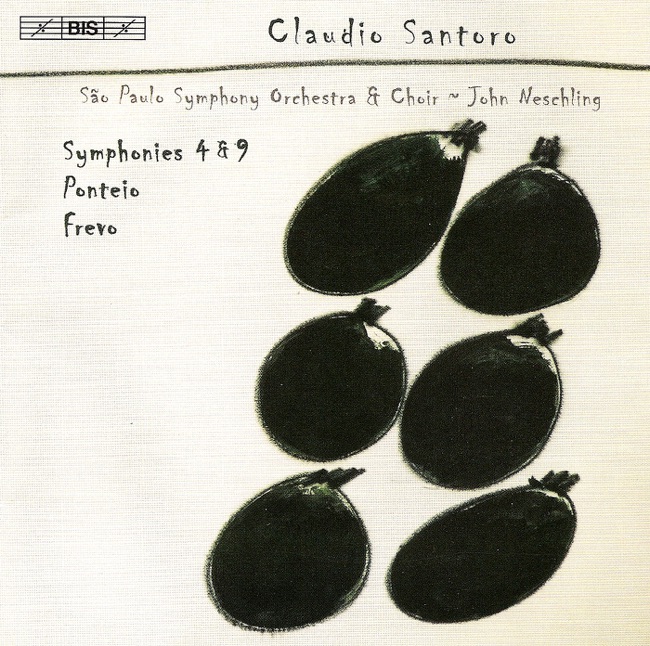 June 27, 2006
Vocal
-
 December 16, 2022
 -
 November 18, 2022
 -
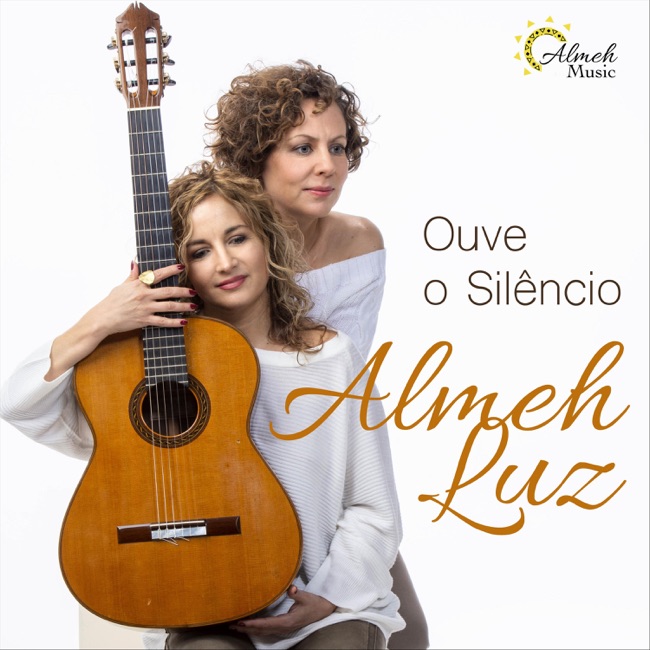 April 19, 2020
 -
 October 25, 2019
Artist Info
Role:Composer ConductorCountry: BrazilBirth:November 23, 1919 in Manaus, BrazilDeath:March 27, 1989 in Brasília, BrazilGenre:ChamberKeyboardOrchestralVocalClaudio Santoro was a Brazilian composer who was born on November 23, 1919, in Manaus, Amazonas, Brazil. He was the son of Italian immigrants, and his father was a musician who played the violin and the piano. Santoro grew up in a musical environment, and he started playing the piano at a young age. He also learned to play the violin and the cello, and he showed a talent for composition early on. Santoro studied music at the National School of Music in Rio de Janeiro, where he was a student of composer and conductor Heitor Villa-Lobos. He also studied with composer Olivier Messiaen in Paris, France, and he was influenced by the music of Igor Stravinsky and Arnold Schoenberg. Santoro's early works were influenced by Brazilian folk music and the music of Villa-Lobos. His first major work was the ballet "Amazonas," which was premiered in 1951. The ballet was based on the legend of the Amazons, and it featured a score that combined Brazilian rhythms and melodies with classical music. Santoro's music continued to evolve throughout his career, and he became known for his use of serialism and other modernist techniques. He also incorporated elements of Brazilian popular music into his compositions, and he was a pioneer in the use of electronic music in Brazil. One of Santoro's most famous works is his Symphony No. 4, which was composed in 1954. The symphony is known for its use of serialism and its complex rhythms and harmonies. It was premiered by the Orquestra Sinfônica Brasileira in Rio de Janeiro, and it was later performed by orchestras around the world. Santoro also composed a number of operas, including "The Enchanted Island," which was premiered in 1965. The opera is based on a play by Shakespeare, and it features a score that combines elements of Brazilian music with classical music. In addition to his work as a composer, Santoro was also a conductor and a teacher. He conducted the Orquestra Sinfônica Brasileira and the Orquestra Sinfônica do Estado de São Paulo, and he taught at the National School of Music in Rio de Janeiro. Santoro's music has had a lasting impact on Brazilian classical music, and he is considered one of the most important composers of the 20th century in Brazil. His use of Brazilian rhythms and melodies in his compositions helped to create a distinctively Brazilian style of classical music, and his use of modernist techniques helped to push Brazilian music in new directions. Santoro died on March 27, 1989, in Brasília, Brazil. His legacy lives on through his music, which continues to be performed and studied by musicians around the world.More....
Recent Artist Music



Copyright Ⓒ 2013 Davinci Finger. All rights reseved
Service Terms & Policy