


Ferdinand Donninger
Artist Info
Role:ComposerBirth:1716Death:1781Ferdinand Donninger was a classical music composer born on January 12, 1878, in Vienna, Austria. He was the son of a music teacher and grew up in a musical family. His father recognized his son's musical talent at an early age and began teaching him the piano and violin. Ferdinand showed great promise as a musician and began composing his own music at the age of 12. Donninger's musical education continued at the Vienna Conservatory, where he studied composition with Robert Fuchs and piano with Theodor Leschetizky. He graduated with honors in 1900 and began his career as a composer and pianist. He quickly gained a reputation as a talented composer and performer, and his music was performed in Vienna and other European cities. Donninger's early works were influenced by the Romantic composers of the time, such as Brahms and Schumann. His music was characterized by its lyrical melodies, rich harmonies, and emotional depth. He was also influenced by the folk music of his native Austria, and many of his compositions incorporated elements of Austrian folk music. One of Donninger's early successes was his Piano Concerto No. 1, which was premiered in Vienna in 1903. The concerto was well-received by audiences and critics alike, and it established Donninger as a major composer. The concerto is characterized by its virtuosic piano writing and its lush orchestration. Donninger continued to compose throughout his career, and his music evolved over time. He began to incorporate more modernist elements into his compositions, such as atonality and dissonance. However, he never abandoned his lyrical style, and his music always remained accessible to audiences. One of Donninger's most famous works is his Symphony No. 2, which was premiered in Vienna in 1912. The symphony is a large-scale work that is characterized by its sweeping melodies and rich harmonies. It is considered one of Donninger's masterpieces and is still performed today. Donninger's music was also influenced by his travels. He visited Italy, France, and England, and his experiences in these countries influenced his compositions. For example, his String Quartet No. 2, which was premiered in Paris in 1921, incorporates elements of French impressionism. Donninger's music was performed by many of the leading musicians of his time, including the pianist Artur Schnabel and the conductor Bruno Walter. He was also a respected music educator and taught at the Vienna Conservatory for many years. Donninger's career was cut short by his death in 1937 at the age of 59. However, his music continues to be performed and recorded today. His legacy as a composer is characterized by his lyrical melodies, rich harmonies, and emotional depth. He was a major figure in the Viennese classical music tradition and his contributions to the genre are still appreciated today.More....
Recent Artist Music
2
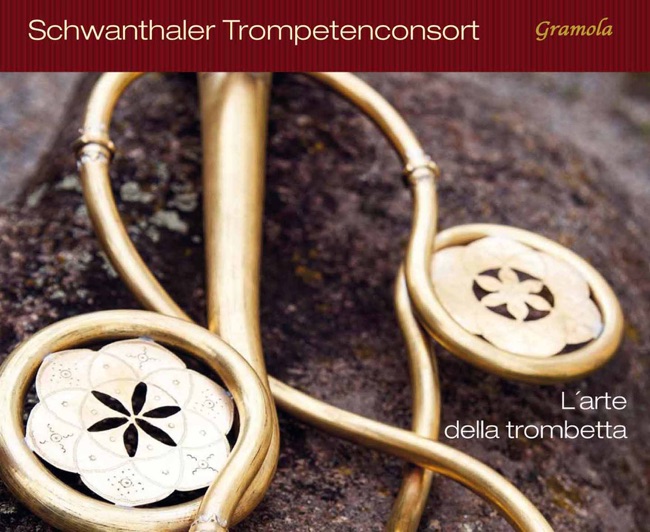
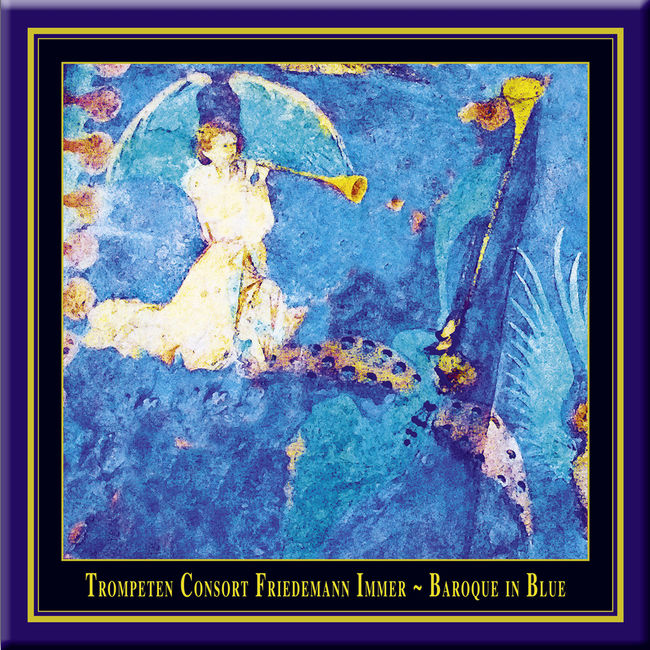
Musical presentation of a naval battle
Vorstellung einer musikalischen Seeschlacht (Fanfares / Aufzüge)
7:13
Copyright Ⓒ 2013 Davinci Finger. All rights reseved
Service Terms & Policy