


Arvids Zilinskis
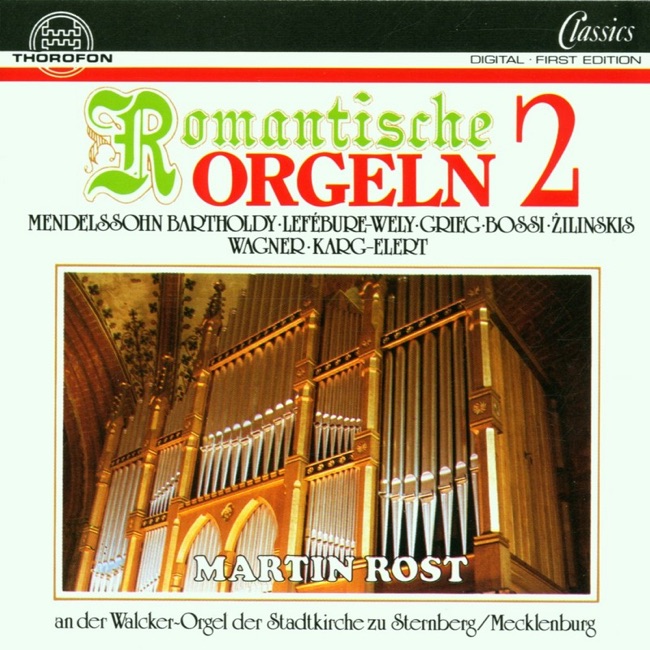
Artist Info
Role:ComposerArvids Zilinskis was a Latvian composer who was born on January 22, 1938, in Riga, Latvia. He was the son of a well-known Latvian composer, Janis Zilinskis, who was also a professor at the Latvian State Conservatory. Arvids grew up in a musical family and was exposed to music from a very young age. He started playing the piano when he was just five years old and showed a natural talent for music. Arvids Zilinskis received his formal education in music at the Latvian State Conservatory, where he studied composition under the guidance of his father, Janis Zilinskis. He graduated from the conservatory in 1961 and went on to pursue a career in music. He started working as a composer and arranger for the Latvian Radio and Television Orchestra, where he gained valuable experience in composing for different instruments and ensembles. In the early years of his career, Arvids Zilinskis composed mainly for film and television. He wrote music for several Latvian films, including "The White Bells" (1961), "The Last Relic" (1969), and "The Long Road in the Dunes" (1971). His music for these films was well-received and helped establish him as a talented composer. In the 1970s, Arvids Zilinskis started to focus more on classical music and began composing works for orchestras and chamber ensembles. He wrote several symphonies, concertos, and chamber music pieces during this period. His music was characterized by its lyrical melodies, rich harmonies, and use of Latvian folk music elements. One of Arvids Zilinskis' most famous works is his Symphony No. 2, which he composed in 1975. The symphony is a tribute to the Latvian composer and folklorist Andrejs Jurjans, and it incorporates elements of Latvian folk music into its four movements. The symphony was well-received by audiences and critics alike and helped establish Arvids Zilinskis as one of the leading composers in Latvia. In addition to his symphonies, Arvids Zilinskis also wrote several concertos for different instruments. His Concerto for Violin and Orchestra, which he composed in 1980, is one of his most popular works. The concerto is characterized by its virtuosic violin solos and its use of Latvian folk music elements. Arvids Zilinskis also wrote several chamber music pieces, including string quartets, piano trios, and sonatas. His String Quartet No. 2, which he composed in 1983, is a particularly notable work. The quartet is characterized by its intricate harmonies and its use of Latvian folk music elements. Throughout his career, Arvids Zilinskis received numerous awards and honors for his contributions to music. He was awarded the Latvian State Prize in 1976 for his Symphony No. 2, and he was named a People's Artist of Latvia in 1988. He also served as the chairman of the Latvian Composers' Union from 1988 to 1990. Arvids Zilinskis continued to compose music until his death on December 28, 1990, in Riga, Latvia. His music continues to be performed and recorded by orchestras and ensembles around the world, and he is remembered as one of the most important composers in Latvian music history.More....
Copyright Ⓒ 2013 Davinci Finger. All rights reseved
Service Terms & Policy