


Gideon Lewensohn
Released Album
Concerto
-
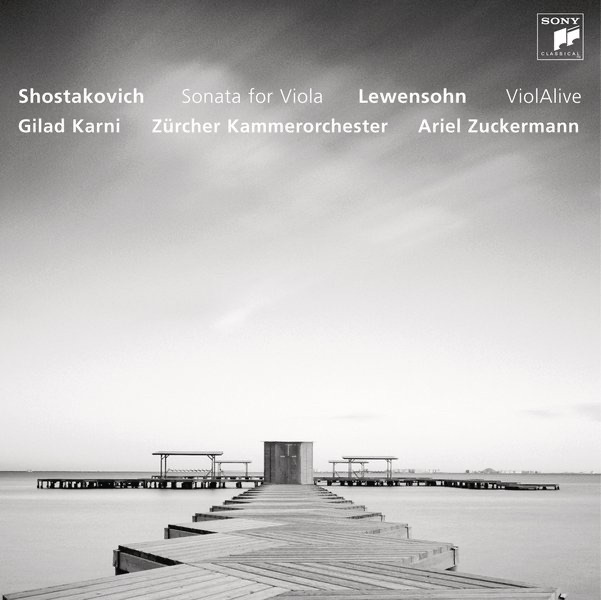 June 28, 2011
Chamber
-
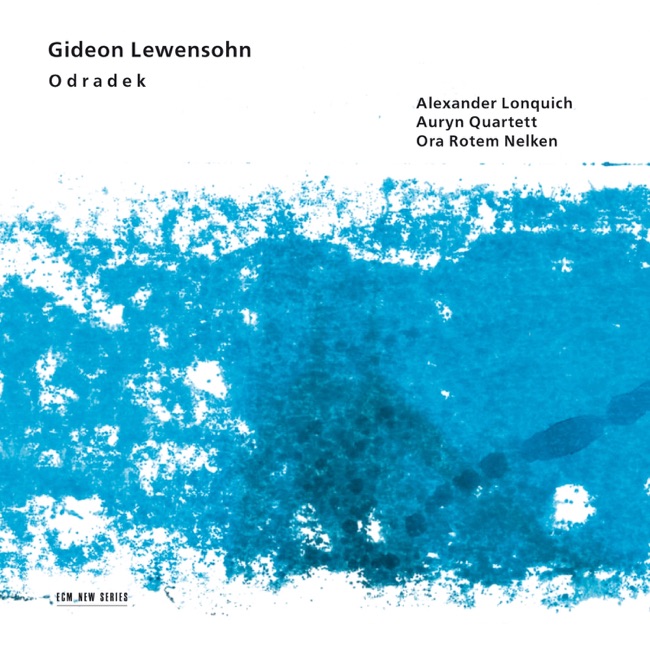 November 5, 2002
Artist Info
Role:ComposerBirth:1954 in Jerusalem, IsraelGenre:ChamberKeyboardGideon Lewensohn was a classical music composer born on December 25, 1928, in Tel Aviv, Israel. He was the youngest of four children born to his parents, who were both musicians. His father was a violinist, and his mother was a pianist. From a young age, Lewensohn was exposed to music and began playing the piano at the age of four. Lewensohn's musical talent was evident from an early age, and he began studying music formally at the age of six. He studied piano with several renowned teachers, including Leo Kestenberg and Yvonne Lefebure. He also studied composition with Paul Ben-Haim, one of Israel's most prominent composers. In 1950, Lewensohn moved to Paris to continue his studies at the Conservatoire de Paris. He studied composition with Olivier Messiaen and Nadia Boulanger, two of the most influential composers of the 20th century. During his time in Paris, Lewensohn also became interested in electronic music and began experimenting with tape recorders and other electronic equipment. Lewensohn's early works were heavily influenced by his studies with Messiaen and Boulanger. His music was characterized by its use of complex rhythms, intricate harmonies, and unconventional forms. His early works include the Piano Sonata No. 1 (1952) and the String Quartet No. 1 (1954). In the late 1950s, Lewensohn began to incorporate electronic music into his compositions. His first electronic work, "Electronic Study No. 1," was composed in 1958. This piece was created using tape recorders and other electronic equipment and was one of the first works of electronic music to be composed in Israel. Throughout the 1960s and 1970s, Lewensohn continued to experiment with electronic music and incorporate it into his compositions. His works from this period include "Electronic Study No. 2" (1960), "Electronic Study No. 3" (1962), and "Electronic Study No. 4" (1970). In addition to his electronic works, Lewensohn also composed a number of orchestral and chamber works during this period. His works from this period include the Symphony No. 1 (1963), the String Quartet No. 2 (1965), and the Piano Concerto No. 1 (1972). In the 1980s, Lewensohn's music became more tonal and accessible. His works from this period include the Symphony No. 2 (1980), the String Quartet No. 3 (1982), and the Piano Concerto No. 2 (1985). These works were characterized by their use of traditional tonal harmonies and more conventional forms. Lewensohn continued to compose music until his death in 2003. His later works include the Symphony No. 3 (1990), the String Quartet No. 4 (1995), and the Piano Concerto No. 3 (2000). These works continued to explore the themes of his earlier works, but with a more mature and refined approach. Throughout his career, Lewensohn was recognized as one of Israel's most important composers. He received numerous awards and honors, including the Israel Prize in 1998, the country's highest honor for achievement in the arts and sciences. His music continues to be performed and recorded by orchestras and ensembles around the world, and his legacy as a composer and innovator in electronic music continues to inspire new generations of musicians.More....
Copyright Ⓒ 2013 Davinci Finger. All rights reseved
Service Terms & Policy