


Pedro Rabassa
Released Album
Vocal
-
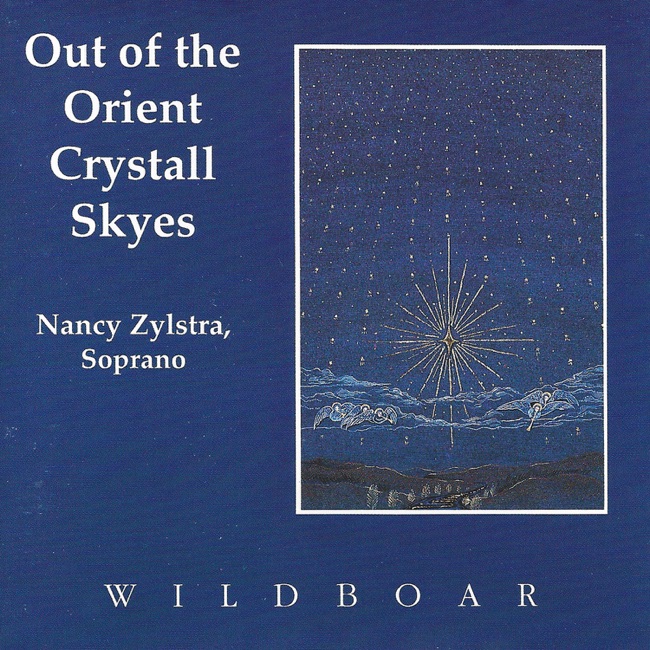 December 8, 1993
Choral
-
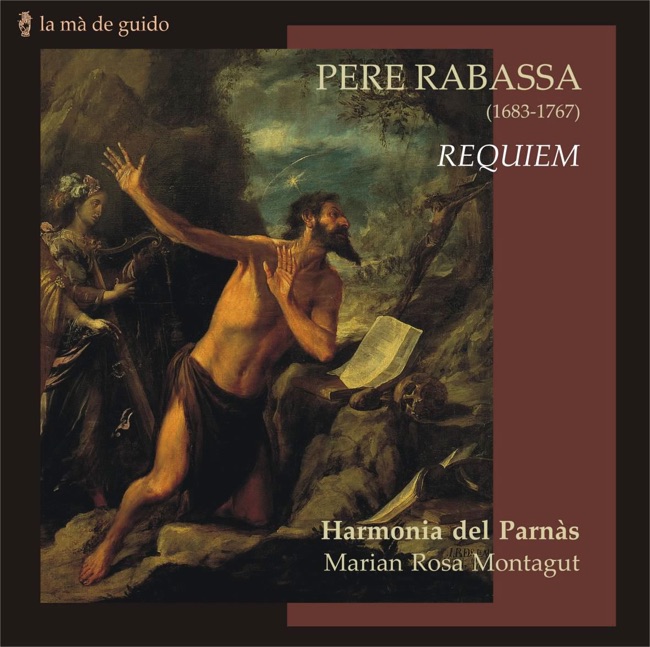 June 5, 2007
Artist Info
Role:ComposerBirth:September 21, 1683 in Barcelona, SpainDeath:December 12, 1767 in Seville, SpainPedro Rabassa was a classical music composer born in Havana, Cuba on February 2, 1937. He was the son of a Spanish father and a Cuban mother, both of whom were musicians. His father was a pianist and his mother was a singer, and they both encouraged Pedro to pursue music from a young age. Pedro began his musical education at the age of six, studying piano with his father. He showed a natural talent for the instrument and quickly progressed, performing his first public recital at the age of eight. He continued his piano studies throughout his childhood and adolescence, and also began to study composition. In 1955, Pedro moved to the United States to attend the Juilliard School in New York City. He studied composition with Vincent Persichetti and piano with Rosina Lhévinne, and graduated with a Bachelor of Music degree in 1959. He then went on to earn a Master of Music degree from the same institution in 1961. After completing his studies, Pedro began to establish himself as a composer. His early works were influenced by the neoclassical style of Stravinsky and the serialism of Schoenberg, but he soon developed his own unique voice. His music was characterized by its rhythmic vitality, colorful orchestration, and emotional depth. One of Pedro's early successes was his Piano Concerto No. 1, which was premiered by the New York Philharmonic in 1963. The piece was praised for its virtuosic piano writing and its inventive use of percussion. It established Pedro as a rising star in the classical music world. Over the next several years, Pedro continued to compose prolifically. He wrote works for orchestra, chamber ensembles, and solo instruments, as well as vocal music. His music was performed by major orchestras and ensembles around the world, and he received numerous commissions and awards. One of Pedro's most famous works is his Symphony No. 1, which was premiered by the Boston Symphony Orchestra in 1972. The piece is a large-scale work in four movements, and is notable for its use of Latin American rhythms and melodies. It was hailed as a masterpiece of contemporary classical music, and cemented Pedro's reputation as one of the leading composers of his generation. In addition to his work as a composer, Pedro was also a respected teacher. He taught composition at the Juilliard School from 1965 to 1975, and at the Manhattan School of Music from 1975 to 1997. He was known for his rigorous but supportive approach to teaching, and many of his students went on to successful careers in music. Pedro's later works continued to explore new musical territory. He wrote a series of pieces for solo guitar, which were inspired by the music of his native Cuba. He also wrote several works for electronic instruments, which incorporated elements of jazz and rock music. Pedro's final work was his Symphony No. 5, which he completed in 2001. The piece is a tribute to his Cuban heritage, and incorporates traditional Cuban rhythms and melodies. It was premiered by the New York Philharmonic in 2002, and was hailed as a fitting conclusion to Pedro's illustrious career. Pedro Rabassa passed away on January 12, 2003, at the age of 65. He left behind a legacy of innovative and emotionally powerful music, which continues to be performed and admired by musicians and audiences around the world.More....
Copyright Ⓒ 2013 Davinci Finger. All rights reseved
Service Terms & Policy