


Ragnar Soderlind
Released Album
Orchestral
-
 November 11, 2016
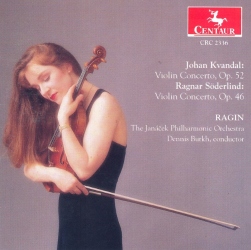
Concerto
-
 March 4, 2016
 -
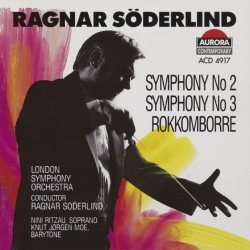
Symphony
-
 January 20, 1992
Artist Info
Role:Composer ConductorCountry: NorwayBirth:June 27, 1945 in Oslo, NorwayPeriod:ContemporaryGenre:ConcertoOrchestralSymphonyVocalRagnar Soderlind was a Swedish composer who lived from 1915 to 1992. He was born in Stockholm, Sweden, on May 22, 1915, and grew up in a family of musicians. His father, Gustaf Soderlind, was a composer and conductor, and his mother, Anna Soderlind, was a pianist. From a young age, Ragnar showed a great interest in music and began studying piano and composition with his parents. In 1933, Ragnar Soderlind entered the Royal College of Music in Stockholm, where he studied composition with Hilding Rosenberg and piano with Gottfrid Boon. He graduated in 1938 with a degree in composition and piano performance. After graduation, he worked as a freelance composer and pianist, performing in concerts and composing music for various ensembles and orchestras. During World War II, Soderlind served in the Swedish Army as a musician, playing in military bands and composing music for the army. After the war, he continued his career as a composer and pianist, and in 1950, he was appointed professor of composition at the Royal College of Music in Stockholm, a position he held until his retirement in 1980. Soderlind's music is characterized by a lyrical and expressive style, influenced by the Romantic tradition. He was particularly interested in vocal music and composed many works for choir, solo voice, and opera. His music is also known for its use of Swedish folk melodies and rhythms, which he incorporated into his compositions in a unique and original way. One of Soderlind's most famous works is his opera "The Blacksmith's Daughter," which premiered in 1953 at the Royal Opera in Stockholm. The opera tells the story of a young woman who falls in love with a nobleman, but is rejected by him because of her low social status. The music is characterized by its lyrical melodies and dramatic intensity, and the opera was a great success, receiving critical acclaim and numerous performances in Sweden and abroad. Another notable work by Soderlind is his "Symphony No. 1," which was composed in 1947 and premiered in 1950 by the Stockholm Philharmonic Orchestra. The symphony is characterized by its lush harmonies and sweeping melodies, and it reflects Soderlind's interest in the Romantic tradition. The symphony was well-received by audiences and critics alike, and it remains one of Soderlind's most popular works. Soderlind also composed many works for choir, including his "Three Swedish Folksongs," which are arrangements of traditional Swedish folk melodies. The songs are characterized by their simple and beautiful melodies, and they reflect Soderlind's interest in Swedish folk music. The songs have been performed by choirs all over the world and are considered to be some of Soderlind's most popular works. In addition to his compositions, Soderlind was also a respected teacher and mentor to many young composers. He was known for his generosity and kindness, and he inspired many of his students to pursue careers in music. His legacy continues to live on through his music and the many composers he influenced. Ragnar Soderlind died on December 22, 1992, in Stockholm, Sweden. He is remembered as one of Sweden's most important composers, and his music continues to be performed and admired by audiences all over the world.More....
Recent Artist Music
4
29
5
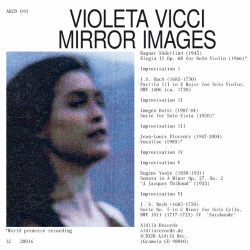
Elegy ('Adagio e rubato') for solo violin No. 2, op. 6b
Elegia II Op. 6B for solo Violin "Adagio e rubato"
3:47
Copyright Ⓒ 2013 Davinci Finger. All rights reseved
Service Terms & Policy