


Márta Ábrahám
Released Album
Chamber
Concerto
-
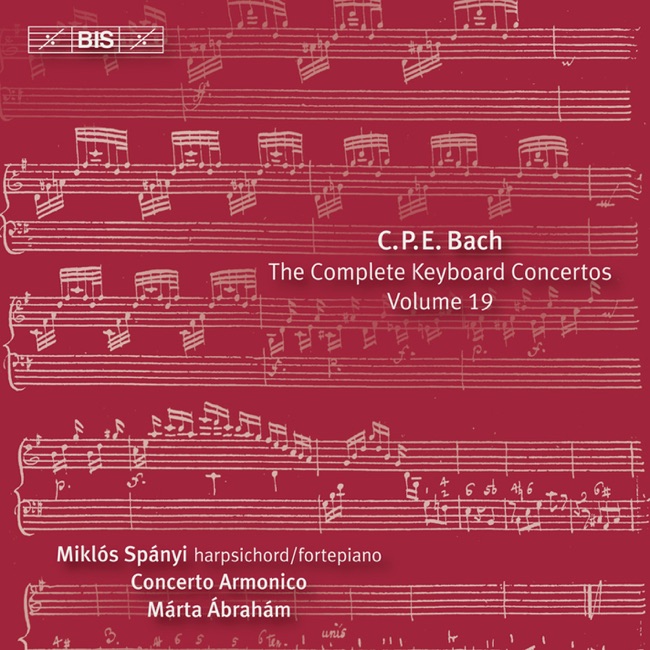 March 1, 2013
Artist Info
Márta Ábrahám was a Hungarian classical music artist who was born on December 6, 1903, in Budapest, Hungary. She was the daughter of a famous Hungarian composer, Pál Ábrahám, who was known for his operettas and film scores. Márta grew up in a musical family and started playing the piano at a young age. She showed great talent and passion for music, and her parents encouraged her to pursue a career in music. Márta studied at the Franz Liszt Academy of Music in Budapest, where she received a thorough education in classical music. She studied under some of the most renowned music teachers of the time, including Zoltán Kodály and Béla Bartók. Márta was a gifted pianist and had a natural talent for playing the piano. She quickly gained recognition for her performances and was soon invited to perform at various concerts and events. In 1924, Márta made her debut as a solo pianist at the Budapest Opera House. Her performance was a huge success, and she received critical acclaim for her virtuosity and musicality. This performance marked the beginning of Márta's career as a professional pianist, and she soon became one of the most sought-after pianists in Hungary. Márta's career continued to flourish, and she went on to perform at some of the most prestigious concert halls in Europe, including the Royal Albert Hall in London and the Concertgebouw in Amsterdam. She also performed in the United States, where she was invited to play at the Carnegie Hall in New York City. Márta's performances were always well-received, and she was praised for her technical skill and emotional depth. In addition to her solo performances, Márta also collaborated with other musicians and performed as part of a chamber ensemble. She was a member of the Hungarian Trio, which consisted of Márta on the piano, Vilmos Palotai on the violin, and János Scholz on the cello. The trio performed together for many years and gained a reputation for their exceptional performances. Márta's career was not without its challenges. She lived through some of the most tumultuous times in Hungarian history, including World War II and the Soviet occupation of Hungary. Despite these challenges, Márta continued to perform and inspire audiences with her music. Márta's contributions to classical music were recognized with numerous awards and honors. She was awarded the Kossuth Prize, Hungary's highest cultural award, in 1950. She was also awarded the Franz Liszt Prize in 1956 and the Bartók-Pásztory Prize in 1973. In 1983, Márta was awarded the Order of Merit of the Hungarian People's Republic, which was the highest civilian honor in Hungary at the time. Márta continued to perform and teach until her death on December 10, 1978, in Budapest, Hungary. She left behind a legacy of exceptional performances and a dedication to the art of classical music. Her contributions to the world of classical music continue to inspire musicians and audiences alike.More....
Recent Artist Music

Copyright Ⓒ 2013 Davinci Finger. All rights reseved
Service Terms & Policy