


Armenian Chant
Released Album
Vocal
-
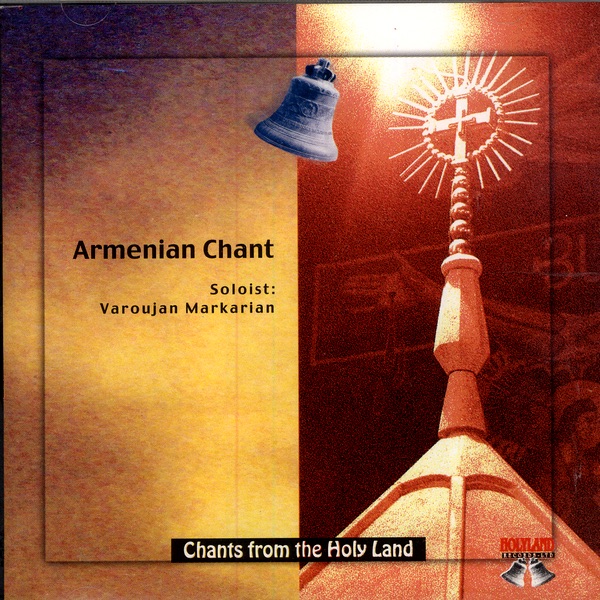 December 6, 1999
Choral
-
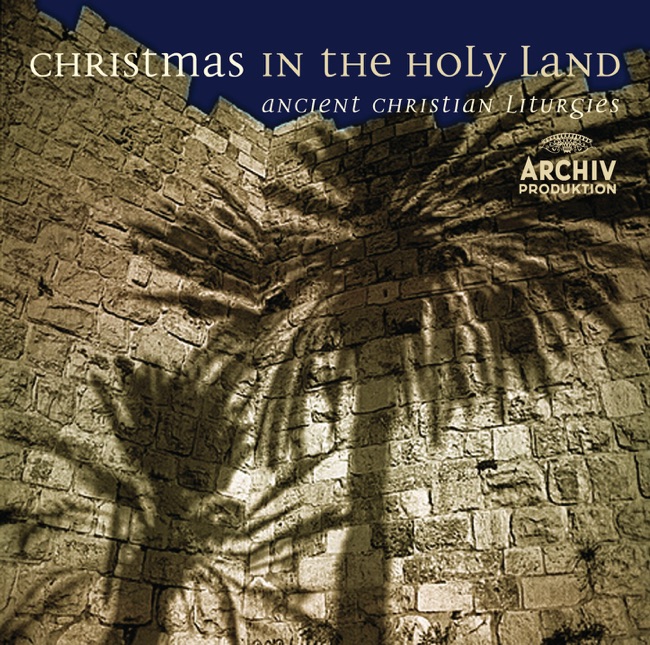 October 16, 2007
Artist Info
Role:ComposerGenre:ChoralVocalArmenian Chant, also known as Komitas Vardapet, was a renowned composer, ethnomusicologist, and priest who made significant contributions to Armenian classical music. He was born on September 26, 1869, in the village of Kütahya, Ottoman Empire, which is now modern-day Turkey. His birth name was Soghomon Soghomonian, and he was the youngest of eight children. Komitas grew up in a musical family, and his father was a skilled musician who taught him how to play the violin and the oud. He also received formal music education at the local school and later at the Gevorgian Seminary in Etchmiadzin, Armenia. In 1895, he was ordained as a priest and given the name Komitas, which means "life-giving" in Armenian. After his ordination, Komitas traveled extensively throughout Armenia, collecting and studying Armenian folk music. He was fascinated by the rich musical traditions of his homeland and believed that they should be preserved and celebrated. He transcribed and arranged hundreds of folk songs, dances, and chants, which he later incorporated into his own compositions. Komitas's music was heavily influenced by Armenian folk music, but he also drew inspiration from Western classical music. He studied music theory and composition in Berlin, Germany, and later in Paris, France, where he was exposed to the works of famous composers such as Bach, Beethoven, and Mozart. Komitas's compositions are characterized by their use of Armenian folk melodies, intricate harmonies, and complex rhythms. His most famous works include the "Six Dances," "Armenian Mass," and "Songs of Sassoun." His music was performed by many famous Armenian musicians, including the composer Aram Khachaturian. In addition to his musical contributions, Komitas was also a respected scholar and educator. He taught music at the Gevorgian Seminary and later at the Tiflis Conservatory in Georgia. He wrote several books on Armenian music, including "Armenian Church Chant," which is still considered a seminal work in the field of ethnomusicology. Despite his many accomplishments, Komitas's life was not without tragedy. In 1915, during the Armenian Genocide, he was arrested and deported along with thousands of other Armenians. He witnessed the brutal murder of many of his friends and colleagues and suffered from severe trauma and mental illness as a result. After his release from captivity, Komitas was never the same. He spent the rest of his life in a psychiatric hospital in Paris, where he died on October 22, 1935. His legacy, however, lives on. His music continues to be performed and celebrated by Armenian musicians and music lovers around the world, and his contributions to Armenian classical music are widely recognized and celebrated. In conclusion, Armenian Chant, or Komitas Vardapet, was a talented composer, ethnomusicologist, and priest who made significant contributions to Armenian classical music. His music was heavily influenced by Armenian folk music, but he also drew inspiration from Western classical music. His compositions are characterized by their use of Armenian folk melodies, intricate harmonies, and complex rhythms. Despite the tragedy and trauma he experienced during the Armenian Genocide, his legacy lives on, and his music continues to be celebrated and performed by Armenian musicians and music lovers around the world.More....
Recent Artist Music
Copyright Ⓒ 2013 Davinci Finger. All rights reseved
Service Terms & Policy