


Violet Archer
Released Album
Chamber
-
 January 3, 2020
Miscellaneous
-
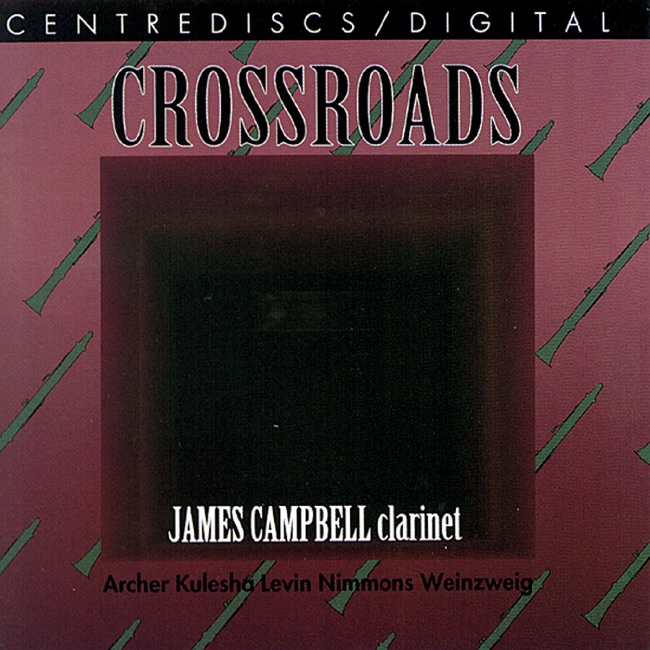 August 25, 1993
Vocal
-
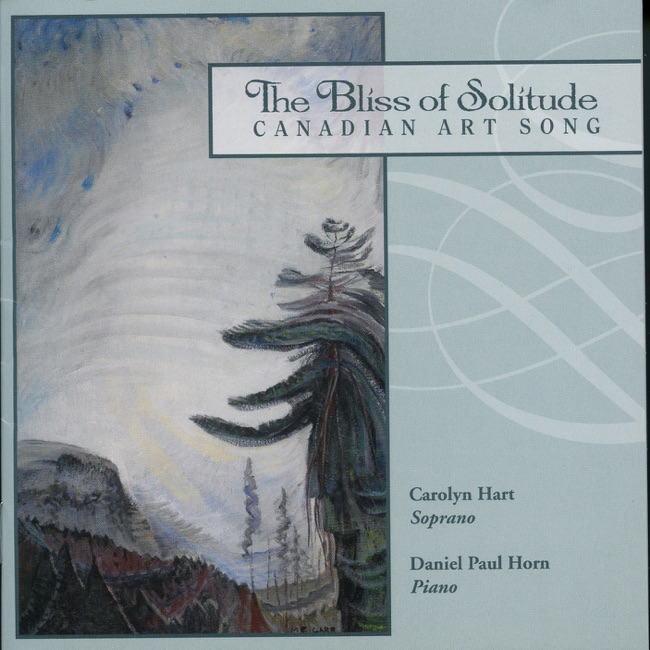 July 1, 2013
Orchestral
-
 July 6, 2018
Artist Info
Role:ComposerCountry: CanadaBirth:April 24, 1913 in Montreal, Quebec, CanadaDeath:February 21, 2000 in Ottawa, Ontario, CanadaPeriod:ModernGenre:ChamberChoralKeyboardViolet Archer was a Canadian composer who was born on April 24, 1913, in Montreal, Quebec. She was the daughter of a music teacher and grew up in a musical family. Her mother was a pianist, and her father was a violinist. Archer began playing the piano at a young age and showed a natural talent for music. She went on to study at McGill University, where she earned a Bachelor of Music degree in 1934. After completing her studies, Archer began teaching music in Montreal. She also continued to study music, taking lessons in composition with Claude Champagne and piano with Alberto Guerrero. In 1947, she moved to New York City to study with Aaron Copland at the Tanglewood Music Center. Copland was a major influence on Archer's music, and she went on to study with him for several years. Archer's music is characterized by its modernist style and use of dissonance. She was particularly interested in exploring the possibilities of serialism, a technique that involves using a series of musical pitches to create a composition. Her early works, such as the String Quartet No. 1 (1947) and the Sonata for Piano (1948), reflect this interest in serialism. In the 1950s, Archer began to incorporate elements of folk music into her compositions. She was particularly interested in the music of Canada's indigenous peoples and incorporated their melodies and rhythms into her works. This can be heard in works such as the String Quartet No. 2 (1951) and the Suite for Harp (1953). Archer's music was well-received by critics and audiences alike. She won numerous awards and honors throughout her career, including the Order of Canada in 1983. She was also a respected music educator and taught at several universities, including the University of Alberta and the University of Calgary. Some of Archer's most notable works include the Symphony No. 1 (1956), which was commissioned by the CBC and premiered by the Toronto Symphony Orchestra. The symphony is characterized by its use of folk melodies and rhythms, as well as its modernist style. Another notable work is the String Quartet No. 4 (1966), which is considered one of Archer's most important works. The quartet is characterized by its use of serialism and its exploration of different textures and timbres. Archer continued to compose music throughout her life, and her later works reflect a more experimental approach. She was particularly interested in exploring the possibilities of electronic music and incorporated electronic sounds into her compositions. Some of her later works include the Electronic Suite (1971) and the Electronic Nocturne (1973). Violet Archer passed away on February 21, 2000, in Ottawa, Ontario. She left behind a legacy of innovative and influential music, as well as a commitment to music education. Her contributions to Canadian music continue to be celebrated and recognized today.More....
Recent Artist Music






Copyright Ⓒ 2013 Davinci Finger. All rights reseved
Service Terms & Policy