


Andrea Zani
Released Album
Concerto
-
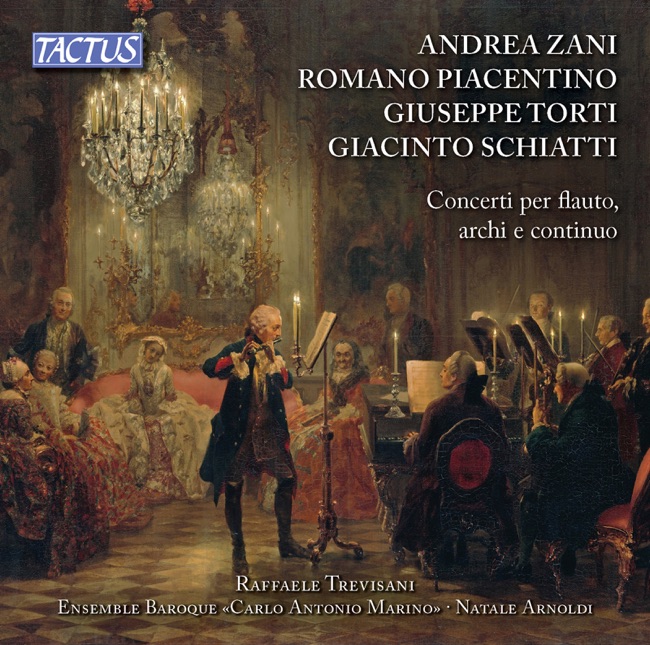
-
 October 29, 2013
 -
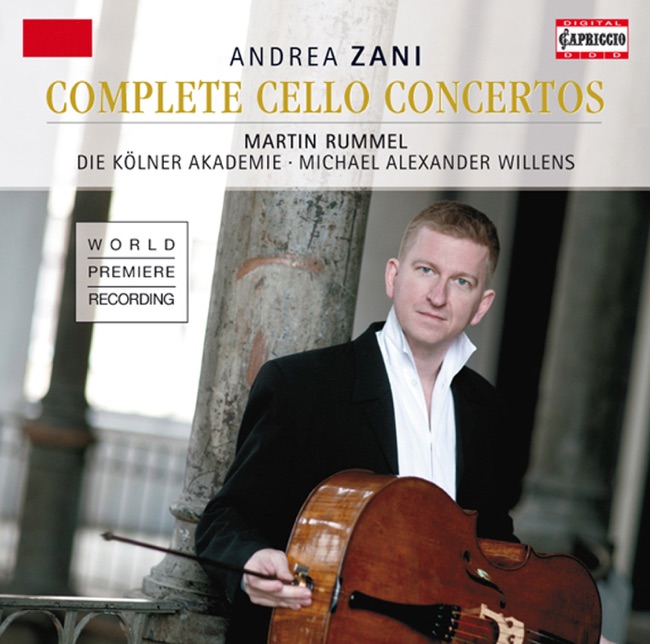 June 24, 2013
 -
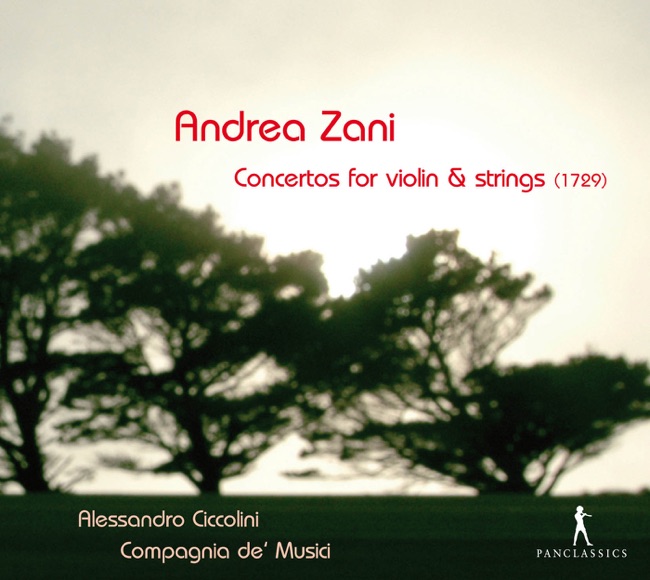 October 25, 2011
Chamber
-
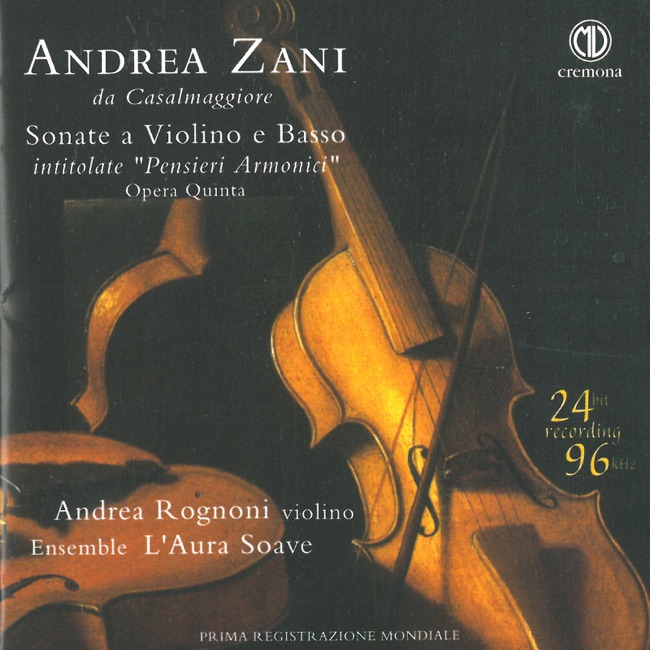 October 6, 2017
 -
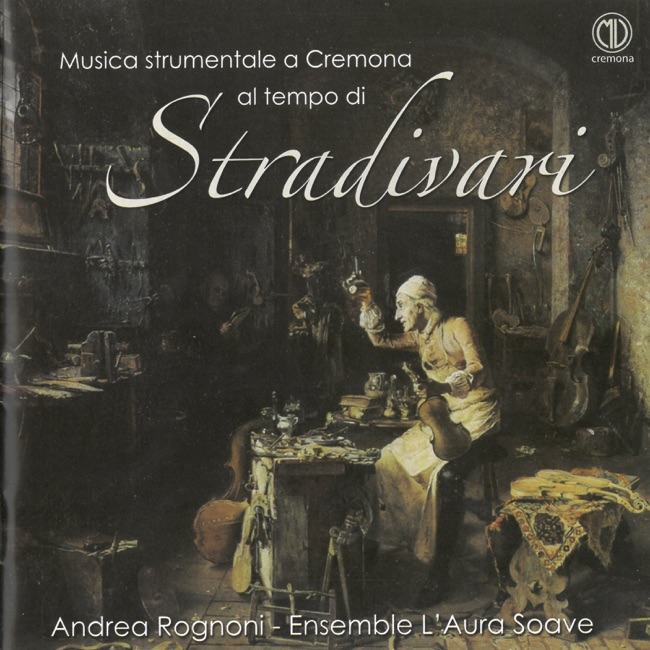 November 18, 2016
 -
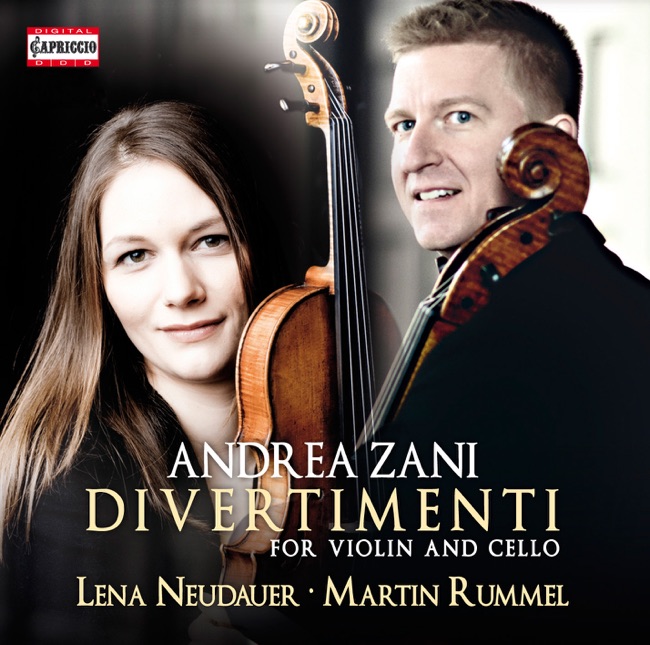 November 13, 2015
Orchestral
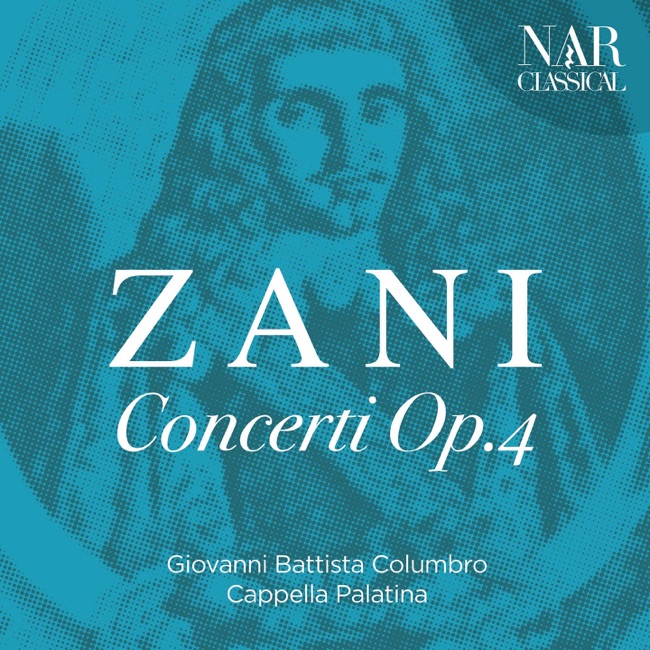
Artist Info
Role:ComposerCountry: ItalyBirth:November 11, 1696 in Casalmaggiore, ItalyDeath:September 28, 1757 in Casalmaggiore, ItalyPeriod:BaroqueGenre:ConcertoOrchestralAndrea Zani was an Italian composer and violinist who lived during the Baroque period. He was born on November 6, 1696, in Casalmaggiore, a town in the Lombardy region of Italy. Zani was the son of a musician, and he began his musical education at a young age. He studied the violin with his father and later with the renowned violinist Giuseppe Torelli. Zani's talent as a violinist was recognized early on, and he began performing in public at the age of 14. He quickly gained a reputation as a virtuoso performer, and he was soon invited to perform in the courts of various Italian cities. In 1716, he was appointed as the first violinist in the orchestra of the Duke of Parma, a position he held for several years. In addition to his performing career, Zani was also a prolific composer. He wrote music for the violin, as well as chamber music and orchestral works. His compositions were influenced by the music of his time, particularly the works of Antonio Vivaldi and Giuseppe Tartini. One of Zani's most famous works is his set of twelve violin concertos, Op. 4. These concertos were published in 1729 and were dedicated to the Duke of Parma. They are notable for their virtuosic solo passages and their use of the ritornello form, a common structure in Baroque music. The concertos were well-received and were widely performed throughout Europe. Zani also wrote a number of chamber music works, including sonatas for violin and continuo and trio sonatas. His sonatas for violin and continuo are particularly notable for their expressive melodies and intricate ornamentation. Zani's trio sonatas, which were written for two violins and continuo, are also noteworthy for their lively dance rhythms and contrapuntal textures. In addition to his instrumental works, Zani also wrote vocal music. He composed several operas, including La Circe, which was first performed in Parma in 1724. The opera was well-received and was later performed in several other Italian cities. Zani also wrote a number of cantatas and oratorios, which were performed in churches and other religious settings. Zani's music was highly regarded during his lifetime, and he was considered one of the leading composers of his time. His works were performed throughout Europe, and he was particularly popular in Germany and Austria. His influence can be seen in the music of later composers, including Johann Sebastian Bach and Wolfgang Amadeus Mozart. Despite his success as a composer and performer, Zani's personal life was marked by tragedy. He lost his wife and several of his children to illness, and he himself suffered from poor health in his later years. He died on August 12, 1757, in Mantua, Italy, at the age of 60. Today, Zani's music is still performed and recorded by musicians around the world. His works are valued for their technical virtuosity and their expressive melodies, and they continue to be an important part of the Baroque repertoire. Zani's legacy as a composer and performer lives on, and his contributions to the development of classical music are still appreciated and celebrated today.More....
Recent Artist Music
1
5:38
3
4:58
4
2:30
6
4:43
7
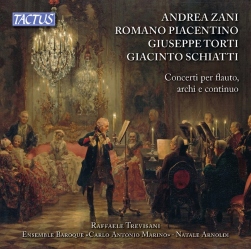
Concerto Flute
Allegro
Andrea Zani, Romano Piacentino, Giuseppe Torti, Giacinto Schiatti: Concerti per flauto, archi e cont
3:36
Copyright Ⓒ 2013 Davinci Finger. All rights reseved
Service Terms & Policy