


Héctor Angulo
Released Album
Chamber
-
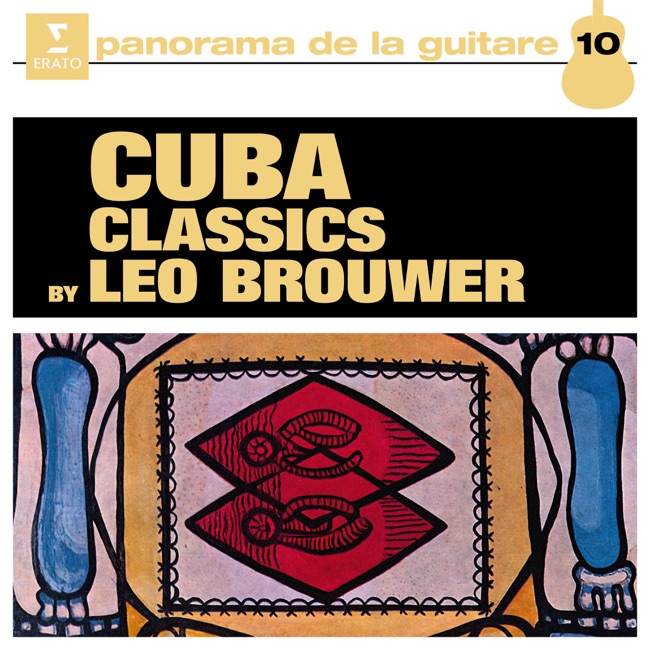 October 11, 2019
 -
 October 4, 2005
 -
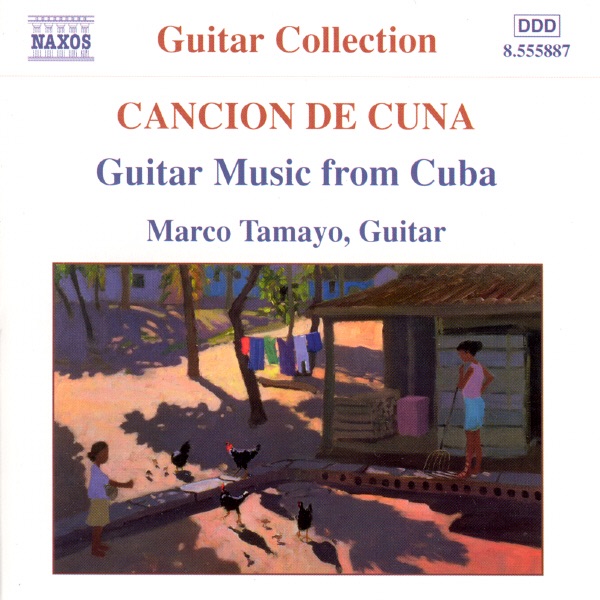 March 16, 2004
 -
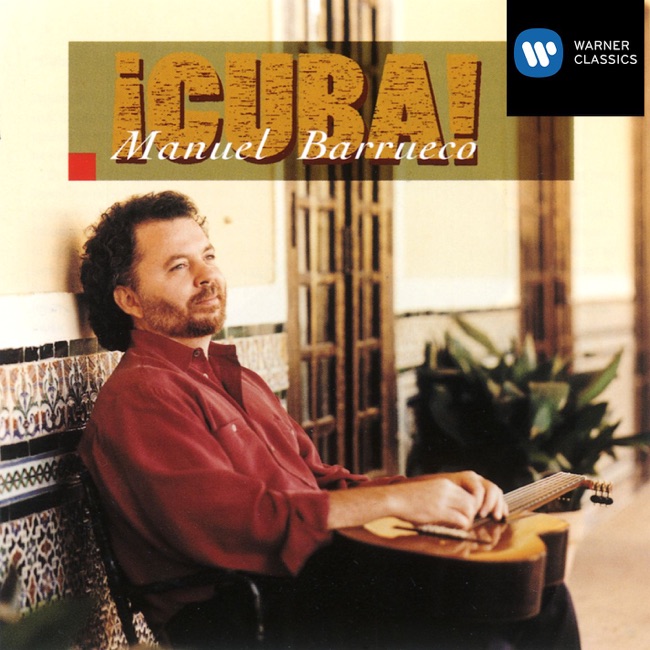 April 6, 1999
Artist Info
Role:ComposerBirth:1932Héctor Angulo was a renowned classical music composer who was born on January 1, 1932, in Caracas, Venezuela. He was the son of a Spanish father and a Venezuelan mother. His father was a musician who played the guitar and the piano, and he introduced Héctor to music at a young age. Héctor showed a natural talent for music, and he began playing the piano when he was just four years old. Héctor's parents recognized his talent and encouraged him to pursue a career in music. He began studying music theory and composition with some of the best teachers in Caracas. He also studied piano performance and became an accomplished pianist. Héctor's early compositions were influenced by the music of his native Venezuela, which is known for its rich and diverse musical traditions. In 1952, Héctor moved to Paris to study composition with the renowned French composer Olivier Messiaen. Messiaen was impressed with Héctor's talent and encouraged him to continue composing. Héctor's time in Paris was a formative period in his career, and he was exposed to a wide range of musical styles and traditions. Héctor returned to Venezuela in 1955 and began teaching music theory and composition at the Central University of Venezuela. He also continued to compose, and his works began to gain recognition both in Venezuela and abroad. In 1960, he won the National Music Prize in Venezuela for his composition "Cantata para América Mágica," which was inspired by the indigenous music of the Americas. Throughout the 1960s and 1970s, Héctor continued to compose and teach. He was a prolific composer, and his works ranged from solo piano pieces to large-scale orchestral works. He was also known for his choral music, and many of his works were written for choirs. One of Héctor's most famous works is his "Concerto for Piano and Orchestra," which was composed in 1978. The concerto is a virtuosic showcase for the piano, and it has been performed by some of the world's greatest pianists. The piece is notable for its use of Venezuelan folk melodies, which are woven into the fabric of the music. Héctor's music was often inspired by the natural beauty of Venezuela. He was particularly drawn to the country's mountains and forests, and many of his works have a pastoral quality. His "Symphony No. 2," which was composed in 1982, is a tribute to the Venezuelan landscape. The piece is scored for a large orchestra and features sweeping melodies and lush harmonies. Héctor's music was also influenced by his political beliefs. He was a committed socialist and believed that music could be a powerful tool for social change. Many of his works have a political message, and he was known for his support of left-wing causes. Héctor continued to compose and teach until his death in 1994. He left behind a rich legacy of music that continues to be performed and admired today. His works are known for their beauty, complexity, and emotional depth, and they have earned him a place among the great composers of the 20th century.More....
Recent Artist Music
Copyright Ⓒ 2013 Davinci Finger. All rights reseved
Service Terms & Policy