


Edmund Meisel
Artist Info
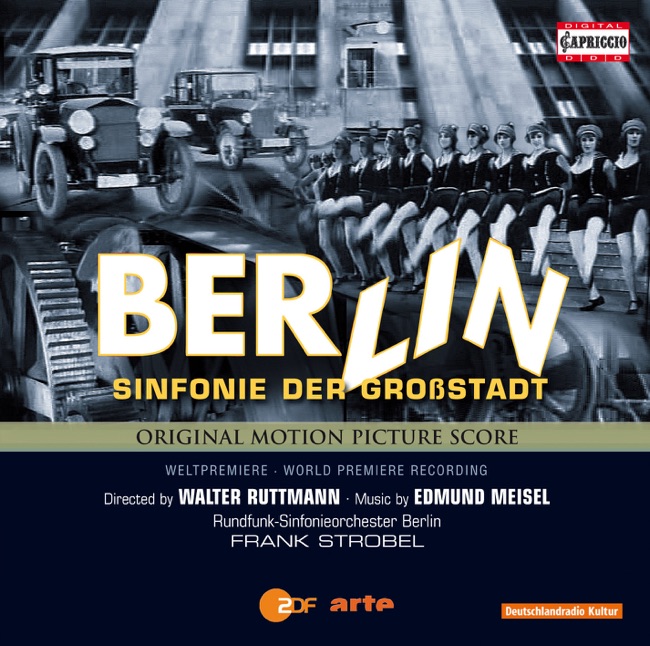
Role:ComposerBirth:1894Death:1930Genre:FilmEdmund Meisel was a German composer and conductor who was born on August 23, 1894, in Berlin, Germany. He was the son of a Jewish family and grew up in a musical environment. His father was a violinist, and his mother was a pianist. Meisel started playing the piano at a young age and showed a great talent for music. He studied at the Berlin Conservatory and later at the Hochschule für Musik in Munich. Meisel's early works were influenced by the German Romantic tradition, and he was particularly interested in the music of Richard Wagner. He composed several operas, including "Die Verschwörung des Fiesco zu Genua" and "Der Untergang von Pompeji," which were well-received by audiences and critics alike. However, it was his work as a film composer that would make him famous. In 1924, Meisel was asked to compose the score for the silent film "The Battleship Potemkin" by the Soviet director Sergei Eisenstein. The film was a powerful political statement about the 1905 Russian Revolution and the mutiny of the crew of the battleship Potemkin. Meisel's score was revolutionary in its use of music to heighten the emotional impact of the film. He used a variety of musical styles, including folk songs, marches, and classical music, to create a powerful and emotional soundtrack that perfectly complemented the images on the screen. The success of "The Battleship Potemkin" led to Meisel being hired to compose scores for other films, including "The End of St. Petersburg" and "October." His work in film music was groundbreaking, and he is considered one of the pioneers of the genre. He was able to use music to create a powerful emotional impact on the audience, and his scores were an integral part of the films he worked on. Meisel's work in film music was not limited to the Soviet Union. He also composed scores for films in Germany, including "Berlin: Symphony of a Great City" and "The Threepenny Opera." His work on "The Threepenny Opera" was particularly notable, as he was able to create a score that perfectly captured the dark and satirical tone of the film. Meisel's career was cut short by the rise of the Nazi party in Germany. As a Jew, he was forced to flee the country in 1933 and eventually settled in the United States. He continued to compose music, but his work was not as well-known as it had been in Europe. He died in New York City on February 14, 1939, at the age of 44. Despite his short career, Edmund Meisel left a lasting impact on the world of music. His work in film music was groundbreaking, and he was able to use music to create a powerful emotional impact on the audience. His scores for "The Battleship Potemkin" and "The Threepenny Opera" are still considered classics of the genre, and his influence can be seen in the work of many modern film composers. Meisel's legacy is a testament to the power of music to move and inspire people, even in the darkest of times.More....
Recent Artist Music


Copyright Ⓒ 2013 Davinci Finger. All rights reseved
Service Terms & Policy