


Helmut Schmidinger
Released Album
Concerto
-
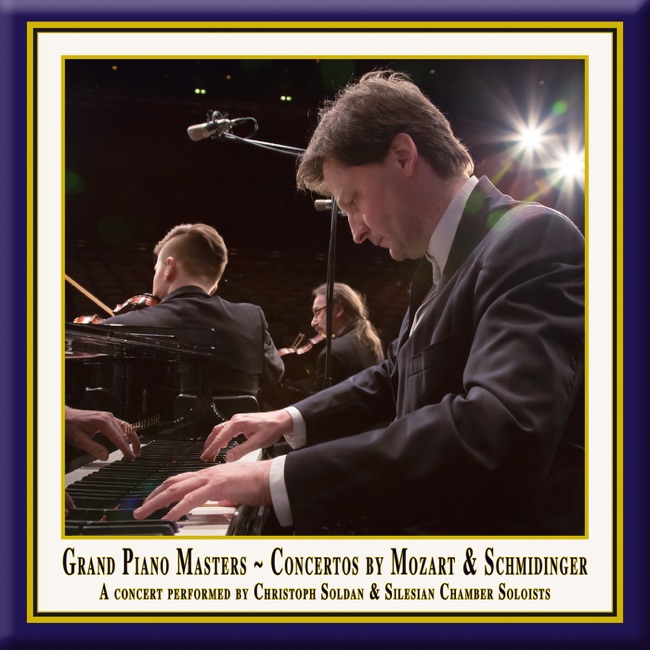 November 13, 2015
 -
Artist Info
Role:ComposerHelmut Schmidinger was a renowned Austrian composer of classical music, born on August 22, 1953, in the city of Linz, Austria. He was the youngest of three children born to his parents, who were both music enthusiasts. His father was a pianist, and his mother was a singer, and they both encouraged their children to pursue music. Schmidinger showed an early interest in music and began playing the piano at the age of six. He was a prodigious talent and quickly progressed to more advanced pieces. He also showed an interest in composition and began writing his own music at a young age. Schmidinger's parents recognized his talent and enrolled him in the Bruckner Conservatory in Linz, where he studied piano and composition. He was a dedicated student and spent many hours practicing and studying music theory. He also attended masterclasses with renowned composers such as György Ligeti and Karlheinz Stockhausen. After completing his studies at the conservatory, Schmidinger began his career as a composer. He quickly gained recognition for his innovative and experimental style, which combined elements of classical music with electronic music and avant-garde techniques. One of Schmidinger's early works, "Klangfarben," was a groundbreaking piece that used electronic instruments to create a unique sound. The piece was well-received by critics and established Schmidinger as a leading figure in the contemporary classical music scene. Schmidinger continued to compose innovative and experimental works throughout his career. His music was characterized by its use of unconventional instruments and techniques, as well as its exploration of new forms and structures. One of Schmidinger's most famous works is "Symphony No. 3," which was commissioned by the Vienna Philharmonic Orchestra. The piece is a complex and challenging work that combines elements of classical music with avant-garde techniques. It has been praised for its innovative use of orchestration and its exploration of new forms and structures. Schmidinger also composed several operas, including "The Tempest," which was based on the play by William Shakespeare. The opera was a critical and commercial success and was praised for its innovative use of electronic instruments and its exploration of new forms and structures. In addition to his work as a composer, Schmidinger was also a respected music educator. He taught composition at the Bruckner Conservatory in Linz and was a mentor to many young composers. Schmidinger's contributions to the world of classical music were recognized with numerous awards and honors. He was awarded the Austrian State Prize for Music in 1998 and was elected to the Austrian Academy of Sciences in 2005. Tragically, Schmidinger's career was cut short when he passed away on May 12, 2010, at the age of 56. However, his legacy lives on through his music, which continues to inspire and challenge musicians and audiences alike.More....
Recent Artist Music
1
Concertino for piano & string quartet ('A Piacere')
Concertino for Piano & String Quartet ("A Piacere")
15:
2
14:33
Copyright Ⓒ 2013 Davinci Finger. All rights reseved
Service Terms & Policy