


Giuseppe Sarti
Released Album
Vocal
-
 November 1, 2023
 -
 November 9, 1999
 -
Opera
-
 August 18, 2017
 -
 November 13, 2015
 -
 October 9, 2015
 -
 September 25, 2015
 -
 September 1, 2013
 -
 July 25, 2000
Choral
-
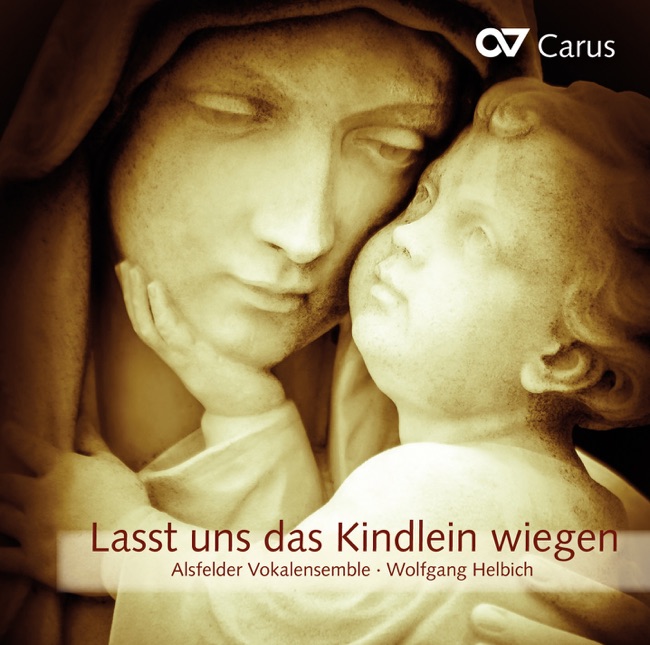 November 19, 2013
 -
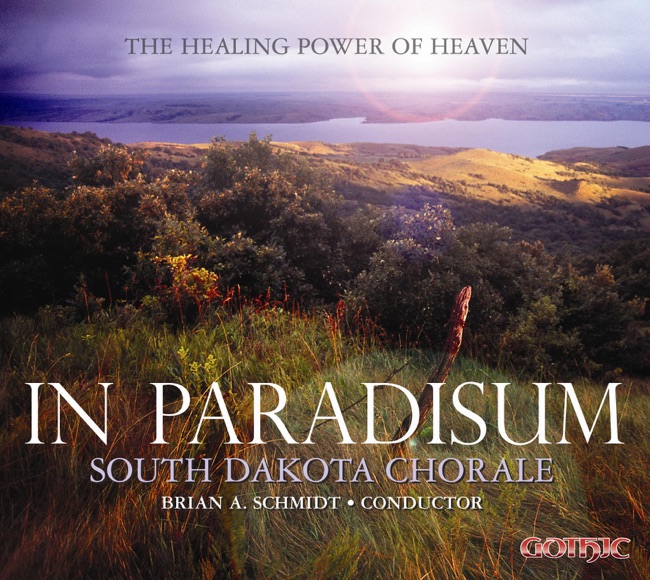 May 29, 2012
 -
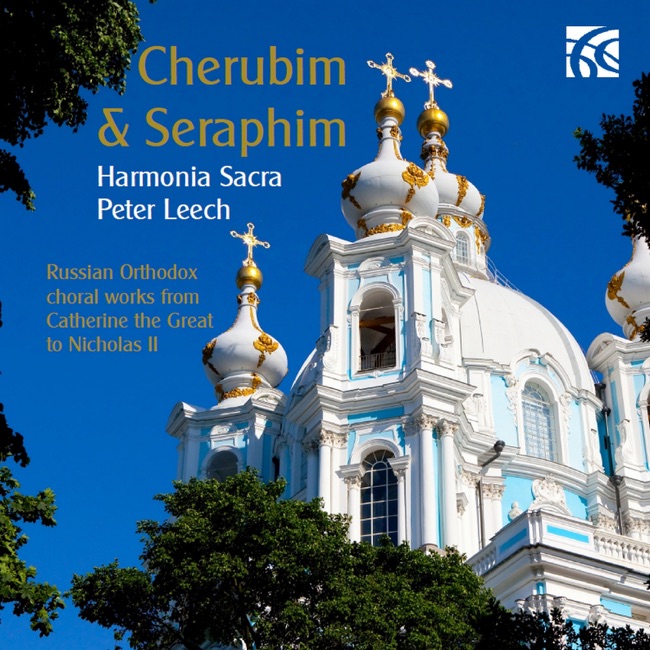 April 16, 2012
 -
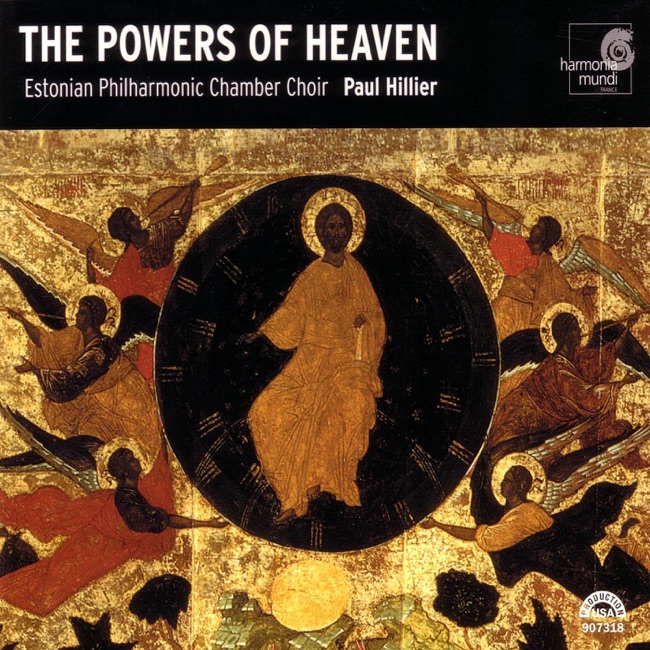
-
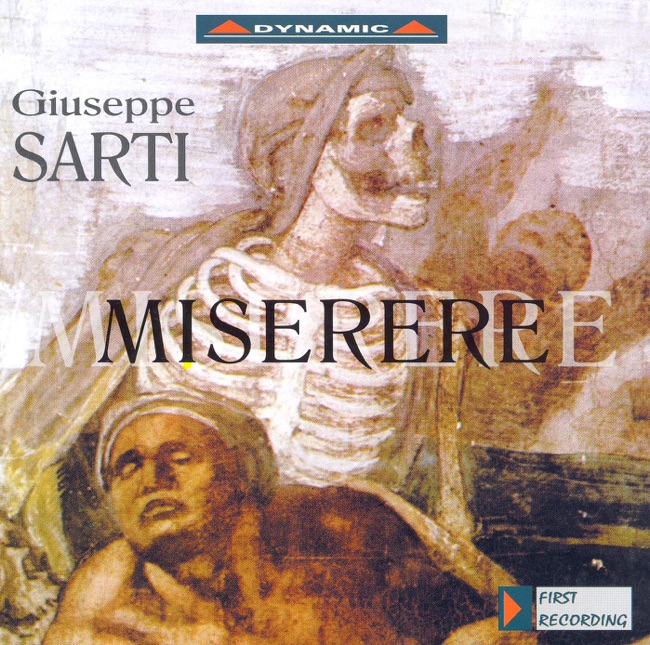 January 1, 2000
Chamber
-
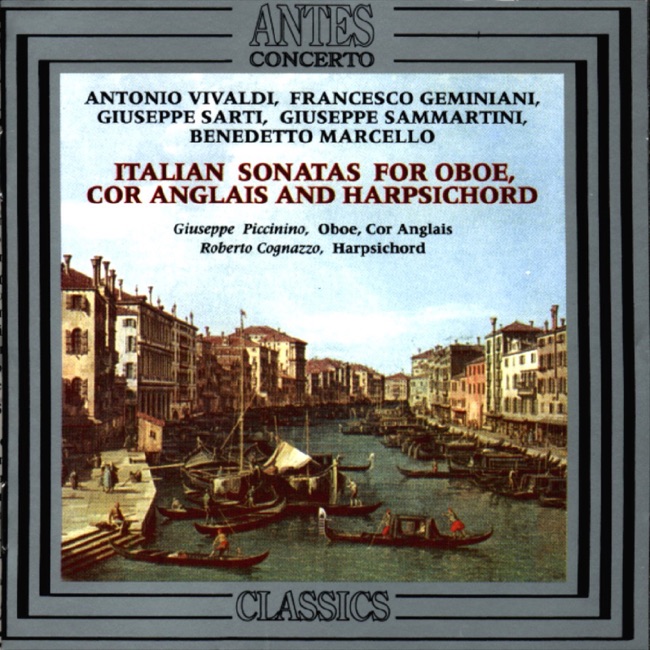 October 21, 2011
 -
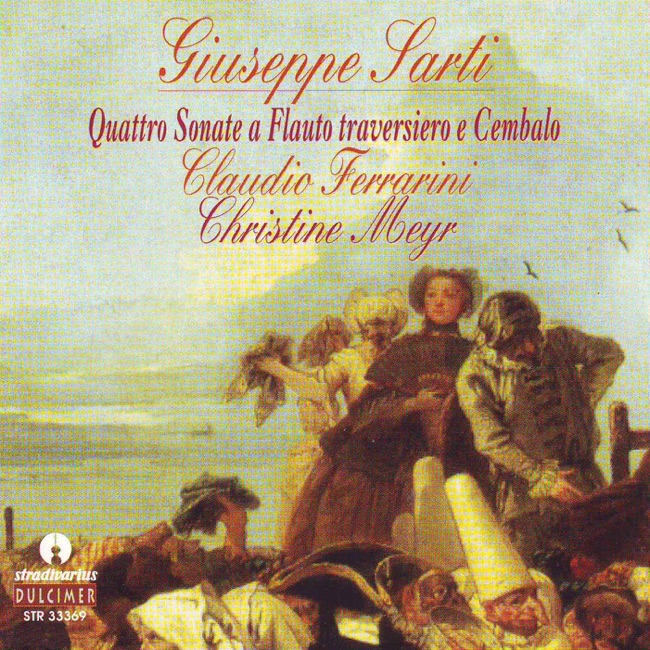 January 17, 2000
Artist Info
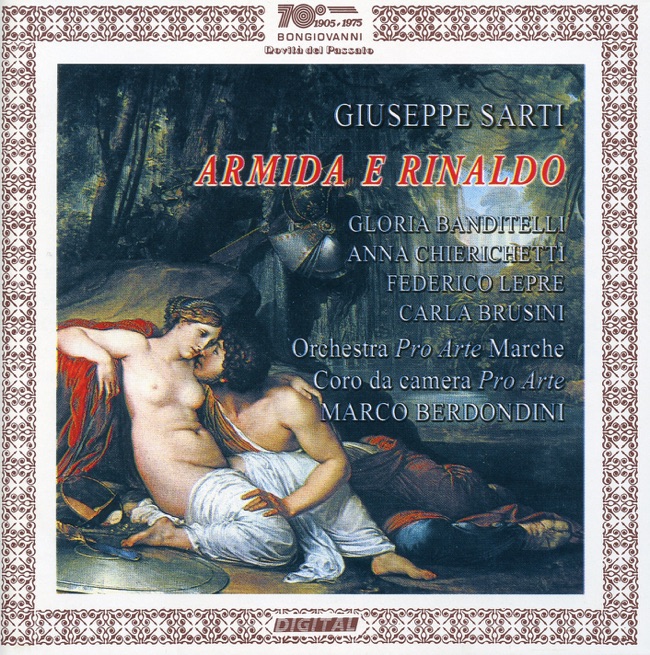
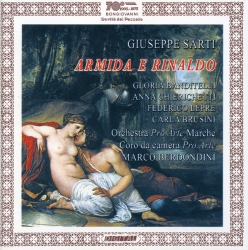
Role:ComposerCountry: ItalyBirth:December 1, 1729 in Faenza, ItalyDeath:July 28, 1802 in Berlin, GermanyPeriod:ClassicalGenre:ChamberKeyboardOperaGiuseppe Sarti was an Italian composer of the classical era, born on December 1, 1729, in Faenza, Italy. He was the son of a shoemaker and showed an early interest in music. At the age of 13, he was sent to study music in Bologna, where he studied under the famous composer Padre Martini. Sarti's early career was spent in Italy, where he composed operas and sacred music. In 1752, he was appointed as the maestro di cappella at the Basilica of San Petronio in Bologna, a position he held for six years. During this time, he composed a number of sacred works, including masses, motets, and oratorios. In 1760, Sarti moved to Venice, where he became the maestro di cappella at the Ospedale degli Incurabili. It was during this time that he began to compose operas, which would become his most famous works. His first opera, "Ifigenia in Aulide," was premiered in Venice in 1762 and was a great success. Sarti's operas were known for their beautiful melodies and dramatic intensity. He was particularly skilled at writing for the voice, and his operas featured arias that were both technically challenging and emotionally powerful. His most famous opera, "Fra i due litiganti il terzo gode," premiered in Venice in 1772 and was a huge success. It was later performed in Vienna, Paris, and London, and was one of the most popular operas of the late 18th century. In 1775, Sarti was appointed as the court composer to the Habsburgs in Vienna. He spent the next 10 years in Vienna, where he composed a number of operas and sacred works. He also served as the music director at the Burgtheater, where he was responsible for the music for all of the plays performed there. Sarti's time in Vienna was marked by a number of successes, including the premiere of his opera "Armida e Rinaldo" in 1776. He also composed a number of works for the imperial court, including a Te Deum for the coronation of Emperor Joseph II in 1780. In 1784, Sarti left Vienna and returned to Italy, where he spent the rest of his life. He continued to compose operas and sacred music, but his later works were not as successful as his earlier ones. He died on July 28, 1802, in Berlin, where he had traveled to supervise the production of one of his operas. Sarti's legacy as a composer is primarily based on his operas, which were some of the most popular of the late 18th century. His music was known for its beautiful melodies and dramatic intensity, and he was particularly skilled at writing for the voice. His operas were performed throughout Europe and were influential in the development of the classical style. In addition to his operas, Sarti also composed a number of sacred works, including masses, motets, and oratorios. These works were less well-known than his operas, but they were still highly regarded for their beauty and craftsmanship. Overall, Giuseppe Sarti was a highly skilled composer who made significant contributions to the development of classical music. His operas were some of the most popular of the late 18th century, and his music was known for its beauty and emotional power. While he may not be as well-known as some of his contemporaries, his music continues to be performed and enjoyed by audiences around the world.More....
Recent Artist Music

6
5:41
9
3:10
Copyright Ⓒ 2013 Davinci Finger. All rights reseved
Service Terms & Policy