


Constantin Christian Dedekind
Released Album
Vocal
-
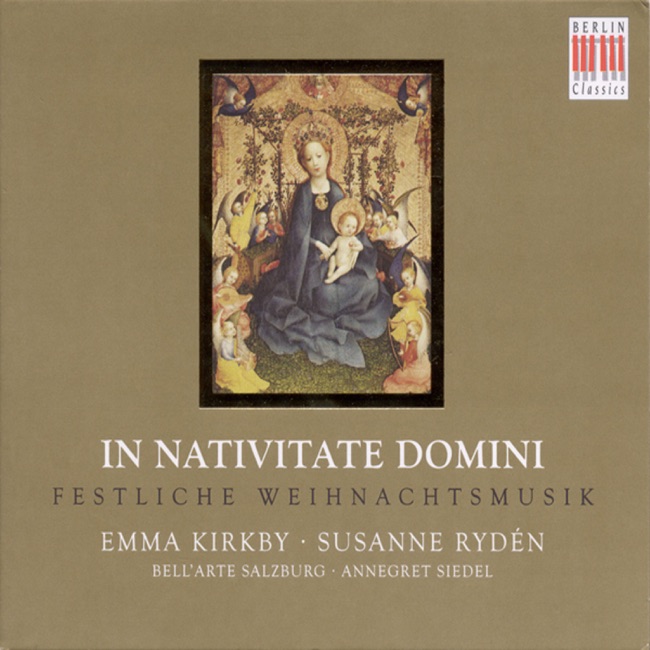 October 26, 2007
 -
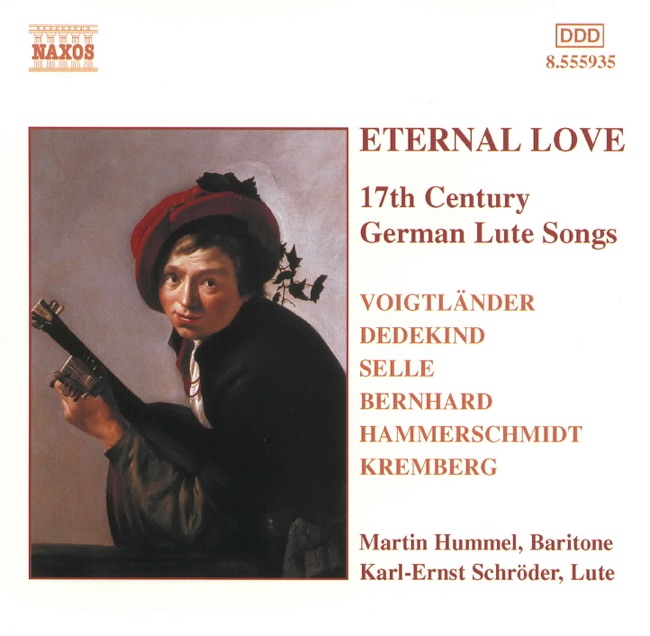 August 20, 2002
Artist Info
Role:ComposerBirth:1628Death:1715Genre:VocalConstantin Christian Dedekind was a German composer born on August 28, 1628, in Braunschweig, Germany. He was the son of Johann Dedekind, a musician and composer, and his wife, Anna. Constantin grew up in a musical family and was exposed to music from a young age. His father was his first music teacher, and he learned to play the violin, viola, and keyboard instruments. At the age of 16, Constantin moved to Hamburg to study music with the famous composer and organist Heinrich Scheidemann. Scheidemann was a significant influence on Constantin's musical development, and he learned a great deal from him. Constantin also studied with other prominent musicians of the time, including Johann Jakob Froberger and Johann Heinrich Schmelzer. In 1650, Constantin was appointed as the court musician to the Duke of Brunswick-Lüneburg. He held this position for several years and composed many works for the court. In 1654, he was appointed as the court organist, a position he held until his death. Constantin's music was highly regarded during his lifetime, and he was considered one of the leading composers of his time. He composed music in a variety of genres, including chamber music, vocal music, and keyboard music. His works were characterized by their expressive melodies, rich harmonies, and intricate counterpoint. One of Constantin's most significant works is his collection of keyboard music, which includes suites, toccatas, and preludes. His keyboard music is notable for its virtuosic passages and complex harmonies. His suites, in particular, are considered some of the finest examples of the genre. Another important work by Constantin is his collection of chamber music, which includes sonatas for violin and continuo, trio sonatas, and quartets. His chamber music is characterized by its elegant melodies and intricate counterpoint. His trio sonatas, in particular, are considered some of the finest examples of the genre. In addition to his instrumental music, Constantin also composed vocal music, including cantatas, motets, and oratorios. His vocal music is characterized by its expressive melodies and rich harmonies. His oratorio, "The Resurrection," is considered one of his most significant works. Constantin's music was highly regarded during his lifetime, and he was considered one of the leading composers of his time. His works were performed throughout Europe, and he was widely respected by his contemporaries. Despite his success, Constantin remained humble and dedicated to his craft throughout his life. Constantin Christian Dedekind died on October 28, 1715, in Braunschweig, Germany. He left behind a significant body of work that continues to be performed and admired to this day. His music is a testament to his skill as a composer and his dedication to the art of music.More....
Recent Artist Music
Copyright Ⓒ 2013 Davinci Finger. All rights reseved
Service Terms & Policy