


Elfrida Andrée
Released Album
Chamber
-
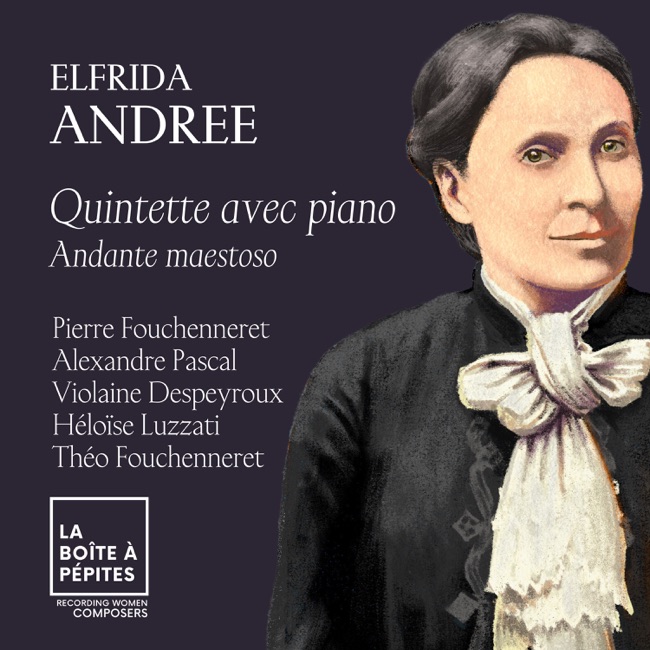
-
 November 22, 2019
 -
 March 1, 2012
 -
 February 11, 2009
 -

-
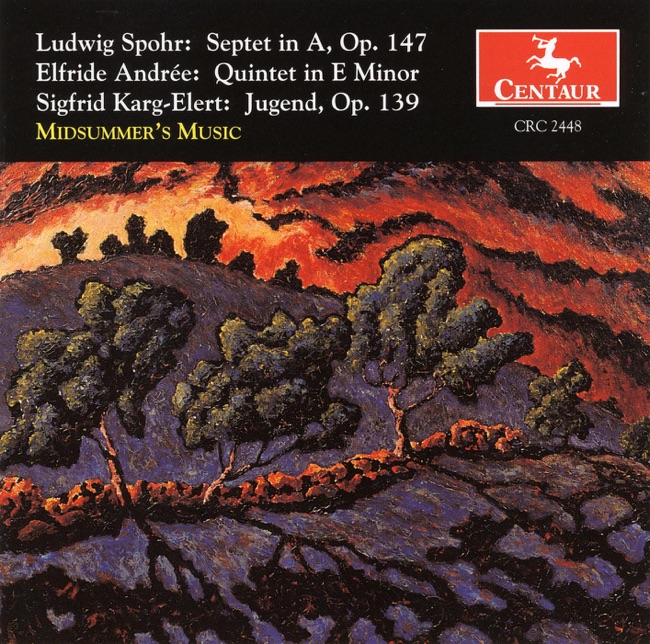
Keyboard
-
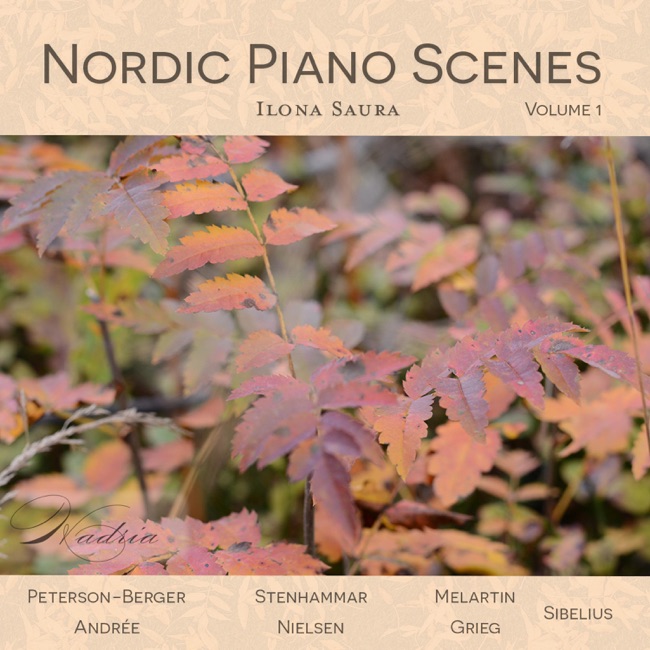 October 17, 2023
 -
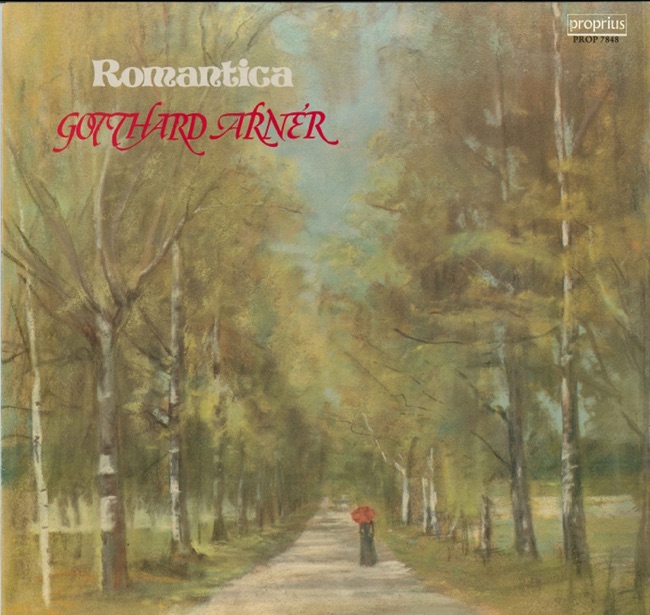 June 1, 2014
 -
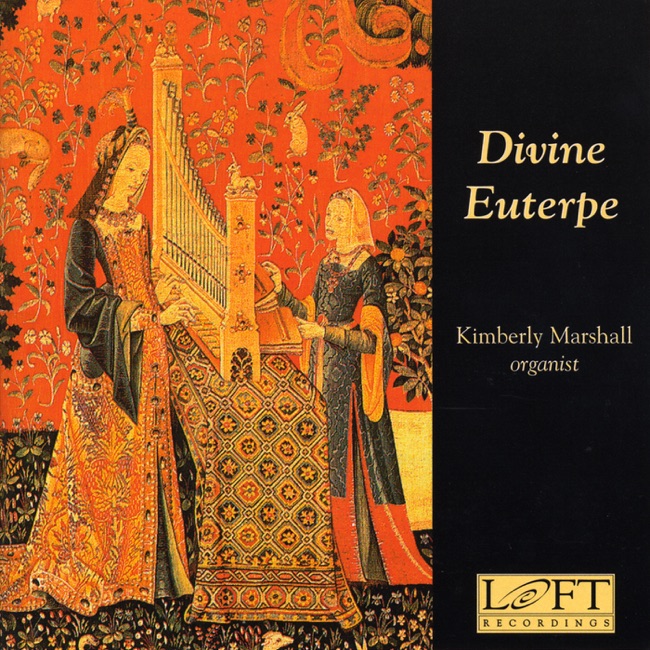 April 3, 2001
Miscellaneous
-
 June 27, 2004
Artist Info
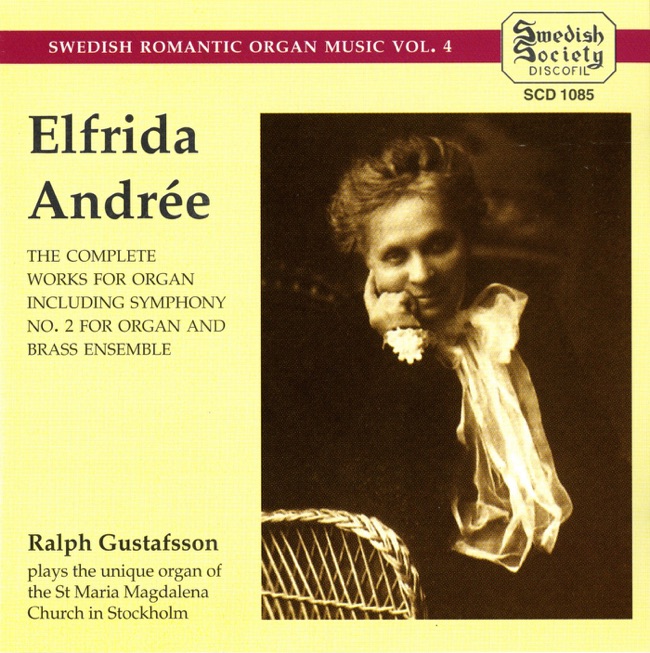
Role:ComposerCountry: SwedenBirth:February 19, 1841 in Visby, SwedenDeath:January 11, 1929 in Göthenburg, SwedenPeriod:ModernGenre:ChamberKeyboardElfrida Andrée was a Swedish composer, organist, and conductor who lived from 1841 to 1929. She was born in Visby, on the island of Gotland, to a musical family. Her father was a church musician and her mother was a singer. Elfrida showed an early talent for music and began playing the piano at the age of four. She later studied organ, composition, and conducting at the Royal College of Music in Stockholm. After completing her studies, Andrée became the organist at the Maria Magdalena Church in Stockholm, a position she held for over 40 years. She was also a conductor, leading the Stockholm Women's Choir and the Haga Motet Choir. In addition to her work as a musician, Andrée was a feminist and an advocate for women's rights. She was a member of the Swedish Women's Temperance Society and the Women's Suffrage Association. Andrée's compositions include works for choir, organ, and orchestra. Her most famous work is her Symphony No. 1 in B-flat minor, which she composed in 1867. The symphony was well-received and was performed by the Royal Stockholm Philharmonic Orchestra. Andrée went on to compose three more symphonies, as well as chamber music, songs, and choral works. One of Andrée's most notable works is her cantata "Gudrun's Lament," which she composed in 1872. The cantata tells the story of Gudrun, a character from Norse mythology, who mourns the loss of her husband. The work is scored for solo soprano, choir, and orchestra, and features a hauntingly beautiful melody that has become one of Andrée's signature pieces. Andrée's music is characterized by its Romantic style, with lush harmonies and sweeping melodies. Her compositions often feature strong, independent female characters, reflecting her own feminist beliefs. Despite her talent and success as a composer, Andrée faced discrimination and prejudice as a woman in a male-dominated field. She was often overlooked for conducting positions and her music was sometimes dismissed as "feminine" or "sentimental." Despite these challenges, Andrée continued to compose and perform throughout her life. She was awarded the Litteris et Artibus medal by the Swedish government in 1897, in recognition of her contributions to music. Andrée died in 1929, at the age of 88, leaving behind a legacy as one of Sweden's most important composers and musicians. Today, her music is still performed and celebrated, and she is remembered as a trailblazer for women in classical music.More....
Recent Artist Music
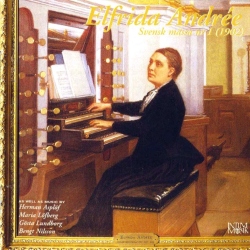

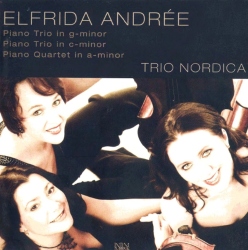
7
3:45
14
5:50
Copyright Ⓒ 2013 Davinci Finger. All rights reseved
Service Terms & Policy