


Derek E. Healey
Released Album
Chamber
-
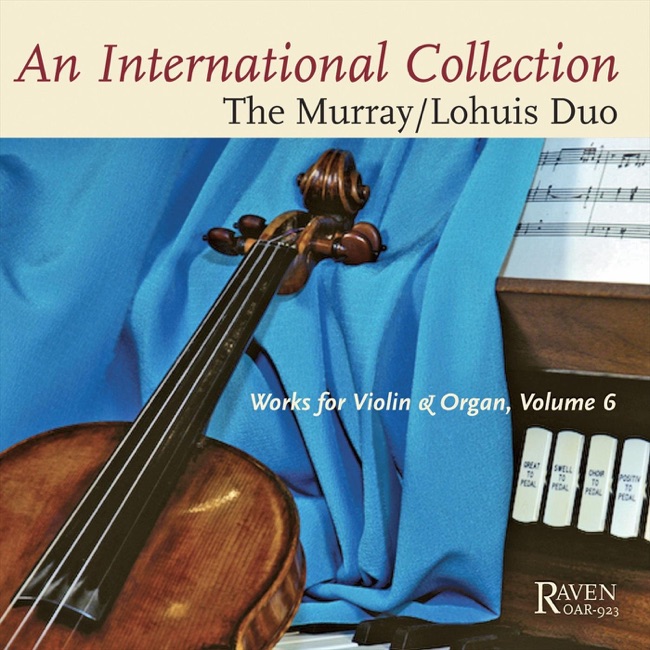 November 9, 2010
 -
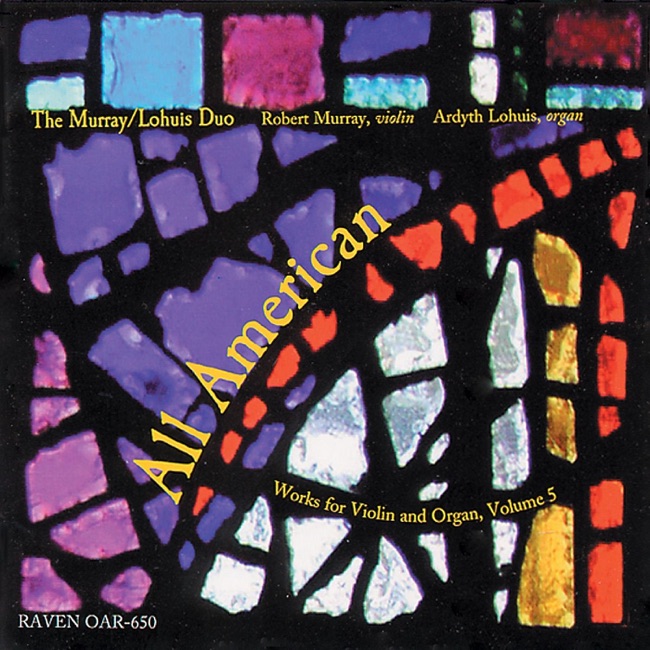 June 24, 2003
Choral
-
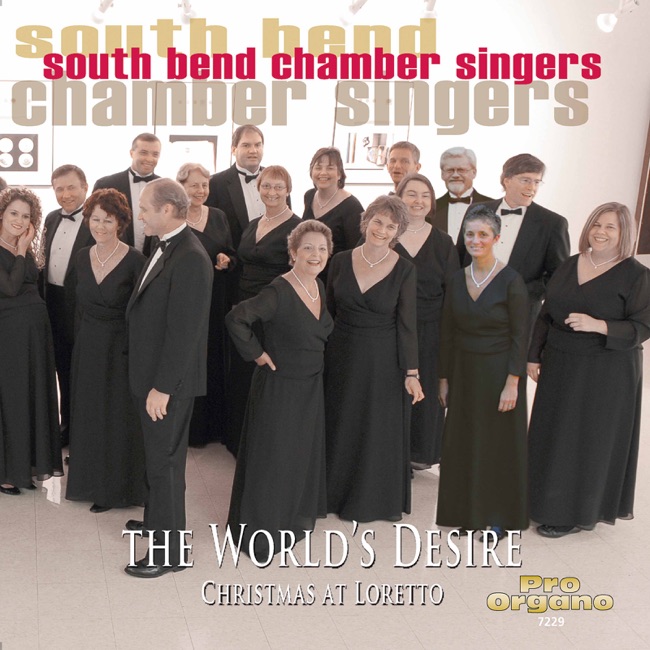 March 13, 2012
Artist Info
Role:ComposerCountry: United KingdomBirth:May 2, 1936 in Wargrave, Berkshire, EnglandPeriod:ContemporaryGenre:ChamberDerek E. Healey was a renowned classical music composer who was born on May 12, 1945, in London, England. Healey was born into a family of musicians, and his parents were both accomplished pianists. From a young age, Healey showed a keen interest in music, and his parents encouraged him to pursue his passion. Healey began his formal music education at the age of six when he started taking piano lessons. He quickly showed a natural talent for the instrument and was soon performing in local concerts and competitions. Healey's parents recognized his potential and enrolled him in the Royal Academy of Music in London when he was just ten years old. At the Royal Academy of Music, Healey studied under some of the most renowned music teachers of the time. He excelled in his studies and was soon composing his own music. Healey's early compositions were heavily influenced by the classical music of the 18th and 19th centuries, particularly the works of Mozart, Beethoven, and Brahms. Healey's first major composition was a piano concerto that he wrote when he was just 16 years old. The concerto was well-received by critics and established Healey as a promising young composer. He continued to compose throughout his teenage years and early twenties, and his works were performed in concerts throughout London. In 1967, Healey moved to the United States to study at the Juilliard School in New York City. At Juilliard, Healey studied under some of the most prominent composers of the time, including Elliott Carter and Milton Babbitt. Healey's time at Juilliard was a formative period in his career, and he began to experiment with new musical styles and techniques. Healey's breakthrough composition came in 1972 when he wrote his Symphony No. 1. The symphony was a departure from Healey's earlier works and showcased his newfound interest in atonal and serialist music. The Symphony No. 1 was a critical and commercial success, and it established Healey as one of the leading composers of his generation. Over the next few years, Healey continued to compose and experiment with new musical styles. He wrote several chamber works, including a string quartet and a piano trio, as well as a number of orchestral works. Healey's music was characterized by its complexity and intellectual rigor, and it was often compared to the works of other avant-garde composers such as Pierre Boulez and Karlheinz Stockhausen. In 1980, Healey wrote his Symphony No. 2, which was a more accessible work than his earlier symphony. The Symphony No. 2 was well-received by audiences and critics alike, and it cemented Healey's reputation as a composer who could bridge the gap between the avant-garde and more traditional classical music. Healey continued to compose throughout the 1980s and 1990s, and his works were performed by orchestras and ensembles around the world. He wrote several operas, including a critically acclaimed adaptation of Samuel Beckett's "Waiting for Godot," as well as a number of choral works and solo pieces for various instruments. One of Healey's most notable works from this period was his Piano Concerto No. 2, which he wrote in 1995. The concerto was a virtuosic work that showcased Healey's technical prowess as a composer and pianist. The Piano Concerto No. 2 was premiered by the New York Philharmonic and was later recorded by the London Symphony Orchestra. Healey's final composition was his Symphony No. 3, which he wrote in 2005. The Symphony No.More....
Recent Artist Music
Copyright Ⓒ 2013 Davinci Finger. All rights reseved
Service Terms & Policy