


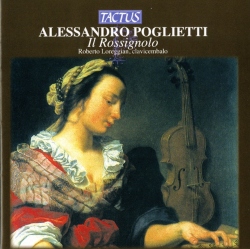
Alessandro Poglietti
Released Album
Keyboard
-
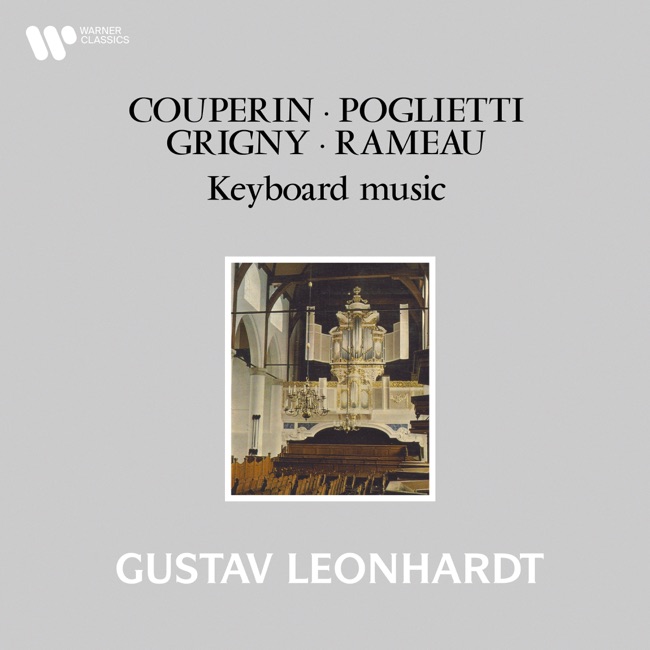 February 14, 2022
 -
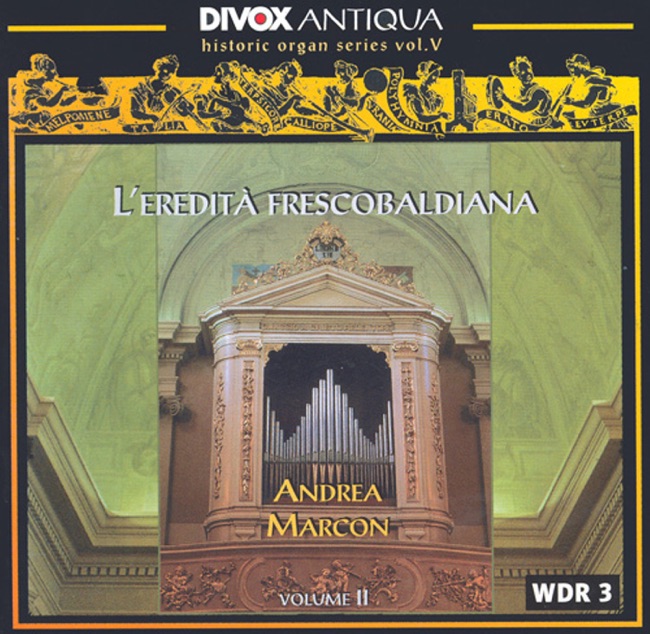 February 25, 2004
Chamber
-
 May 13, 2016
 -
 June 10, 2013
 -
Artist Info
Role:ComposerCountry: AustriaBirth:ca. 1630 in Tuscany, ItalyDeath:July, 1683 in Vienna, AustriaPeriod:BaroqueAlessandro Poglietti was a prominent Italian composer and musician of the Baroque era. He was born in Venice in 1653, and little is known about his early life and education. However, it is believed that he received his musical training in Venice, which was a hub of musical activity during the Baroque period. Poglietti's career as a musician began in the early 1670s when he was appointed as the organist at the Church of San Salvatore in Venice. He quickly gained a reputation as a skilled performer and composer, and his works were soon being performed in churches and courts throughout Italy. In 1681, Poglietti was appointed as the court organist to the Archbishop of Olomouc in Moravia, which is now part of the Czech Republic. This was a significant appointment for Poglietti, as it gave him the opportunity to work in a prestigious court and to compose music for important religious ceremonies and events. During his time in Moravia, Poglietti composed a number of works for the organ, including preludes, fugues, and toccatas. He also wrote a number of vocal works, including motets and cantatas, which were performed in the court chapel. One of Poglietti's most famous works is his set of variations on the popular tune "Aria di Follia." This work, which is known as the "Follia Variations," is a set of 12 variations on the tune, each of which showcases Poglietti's skill as a composer and performer. The variations are written in a variety of styles, including fugues, toccatas, and dances, and they demonstrate Poglietti's mastery of counterpoint and harmony. In addition to his work as a composer and performer, Poglietti was also a respected music teacher. He taught music to the children of the Archbishop's court, and he also wrote a treatise on music theory and composition, which was published in 1682. Poglietti remained in Moravia for the rest of his life, and he continued to compose music until his death in 1683. His legacy as a composer and musician has endured, and his works continue to be performed and studied by musicians and scholars around the world. Overall, Alessandro Poglietti was a talented and influential composer of the Baroque era. His works for the organ and his "Follia Variations" are particularly noteworthy, and his contributions to music theory and education have had a lasting impact on the field of music.More....
Recent Artist Music
6
3:37
8
1:30

13
3:52

Copyright Ⓒ 2013 Davinci Finger. All rights reseved
Service Terms & Policy