


José Evangelista
Released Album
Chamber
-
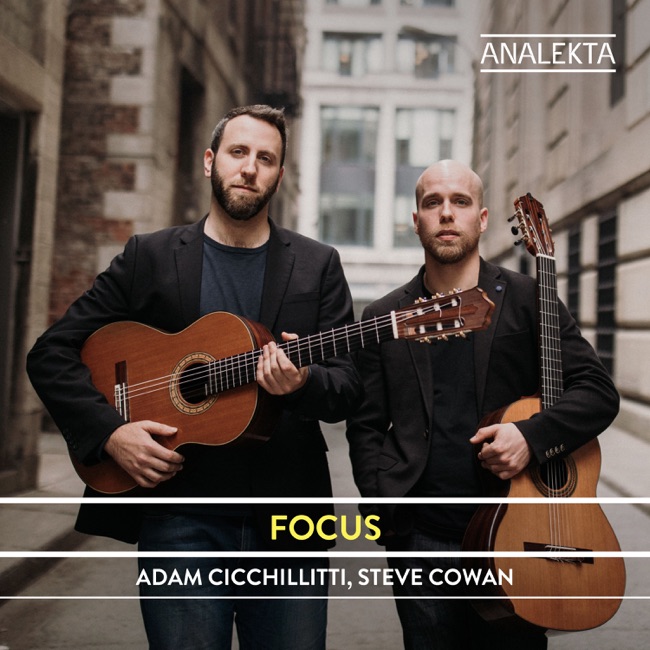 October 25, 2019
 -
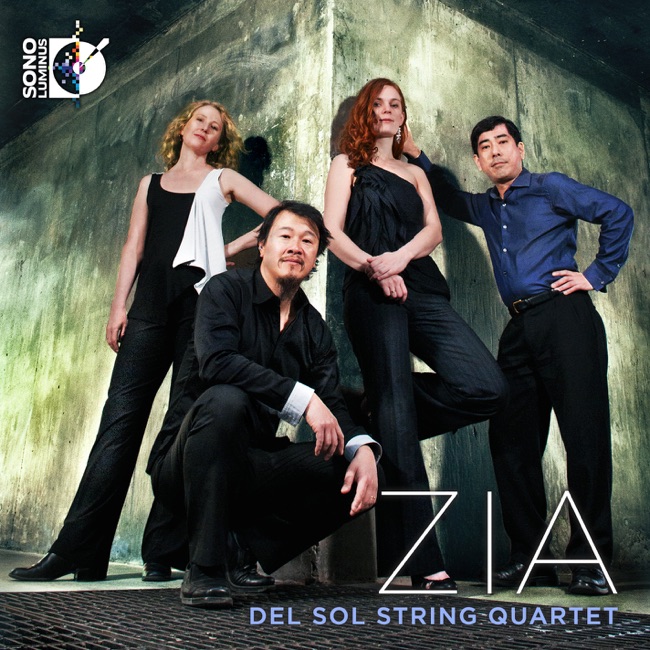 January 7, 2013
 -
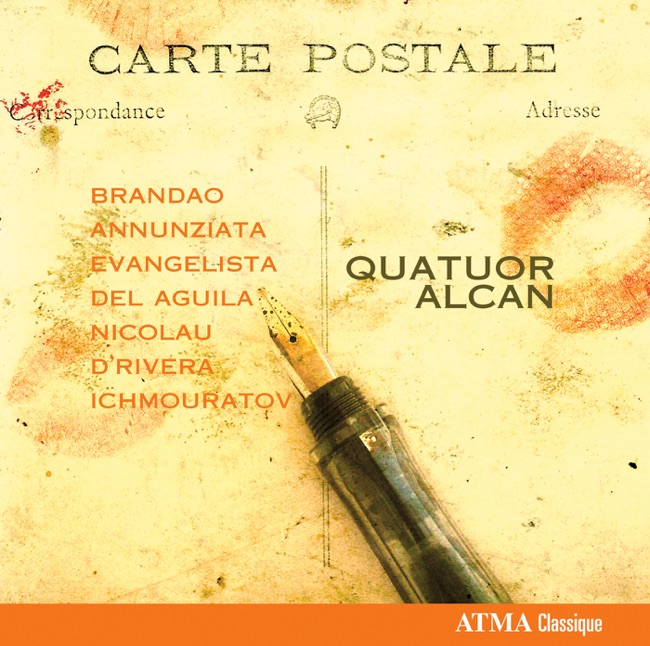 October 25, 2011
 -
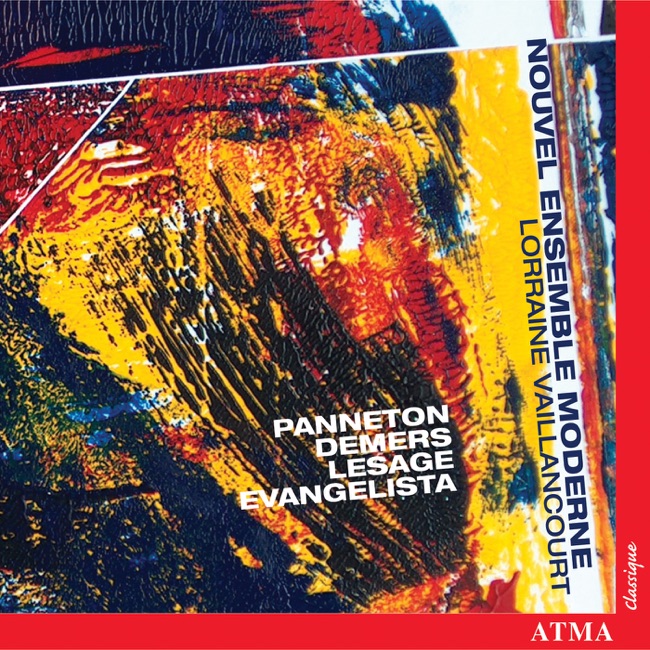 August 10, 2004
 -
 March 17, 1998
Vocal
-
 June 11, 2013
 -
 September 1, 1997
Keyboard
-
 November 9, 2010
 -
 March 26, 2004
Artist Info
Role:ComposerCountry: SpainBirth:1943 in Valencia, SpainPeriod:ContemporaryGenre:ChamberOrchestralJosé Evangelista is a contemporary classical music composer who was born on August 5, 1943, in Valencia, Spain. He grew up in a family of musicians, and his father was a composer and conductor. Evangelista began his musical education at a young age, studying piano and composition with his father. He later studied at the Conservatorio Superior de Música de Valencia, where he received a degree in composition. In 1965, Evangelista moved to Paris to continue his studies at the École Normale de Musique de Paris. He studied with Nadia Boulanger, a renowned composition teacher who had taught many famous composers, including Aaron Copland and Philip Glass. Evangelista also studied with Olivier Messiaen, a prominent composer of the 20th century. Evangelista's early works were influenced by the avant-garde movement of the 1960s, which emphasized experimentation and innovation in music. His compositions often featured unconventional techniques, such as extended techniques for instruments and non-traditional forms of notation. One of Evangelista's most famous works from this period is his piece "Tres Cantos," which was composed in 1972. The piece is scored for soprano, flute, clarinet, violin, cello, and piano, and features a text by the Spanish poet Federico García Lorca. The piece is notable for its use of extended techniques, such as the use of glissandi and multiphonics on the flute and clarinet. In the 1980s, Evangelista's style began to shift towards a more traditional approach to composition. He began to incorporate elements of Spanish and Latin American music into his works, as well as more traditional forms and structures. One of Evangelista's most famous works from this period is his piece "La ciudad de las columnas," which was composed in 1987. The piece is scored for orchestra and features a solo guitar part. The piece is inspired by the ancient city of Teotihuacan in Mexico and incorporates elements of Mexican folk music into its composition. Evangelista's later works continued to explore the intersection of traditional and contemporary music. He often incorporated elements of world music into his compositions, as well as elements of improvisation and experimentation. One of Evangelista's most famous works from this period is his piece "Mikka," which was composed in 1991. The piece is scored for solo violin and features elements of Japanese music, including the use of the pentatonic scale and the use of microtones. Evangelista's works have been performed by many prominent orchestras and ensembles around the world, including the Montreal Symphony Orchestra, the Toronto Symphony Orchestra, and the Ensemble Intercontemporain. He has also received many awards and honors for his work, including the National Prize for Music in Spain in 1995. In addition to his work as a composer, Evangelista has also been a teacher and mentor to many young composers. He has taught at many universities and conservatories around the world, including the Université de Montréal and the Conservatoire de Paris. Overall, José Evangelista is a composer who has made significant contributions to the world of contemporary classical music. His works have explored the intersection of traditional and contemporary music, and have incorporated elements of world music, improvisation, and experimentation. His influence as a composer and teacher has been felt around the world, and his legacy continues to inspire new generations of musicians and composers.More....
Recent Artist Music


Copyright Ⓒ 2013 Davinci Finger. All rights reseved
Service Terms & Policy