


Ivan Madarasz
Released Album
Chamber
-
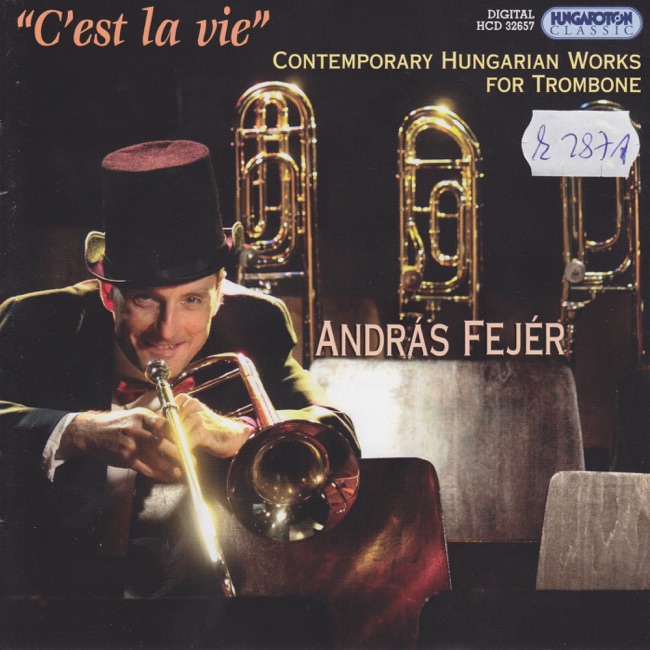 January 31, 2011
 -
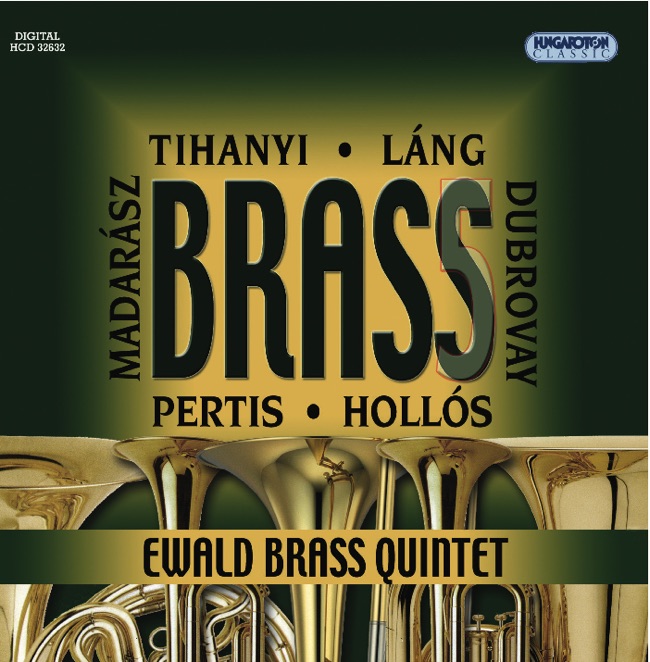 April 12, 2009
 -
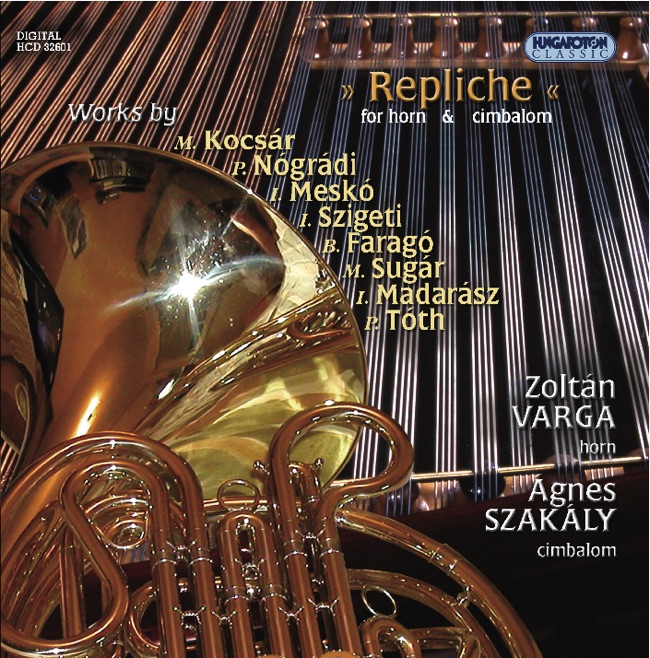 April 9, 2009
 -
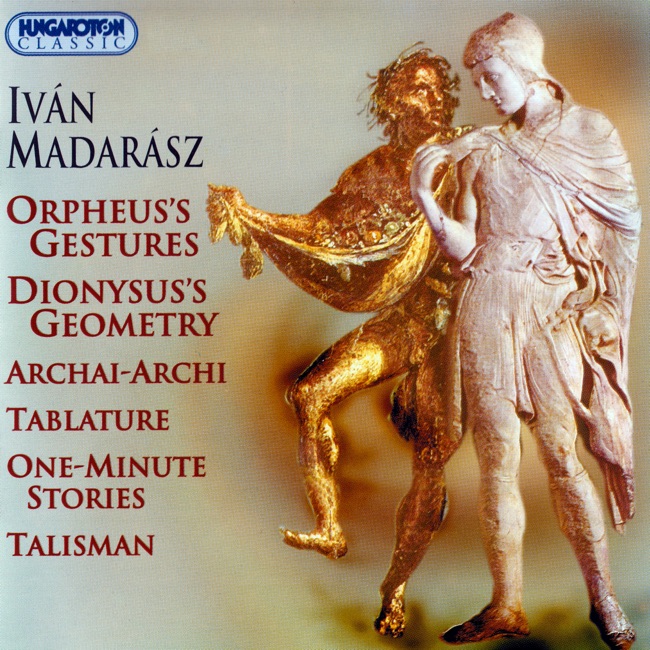 June 25, 2002
 -
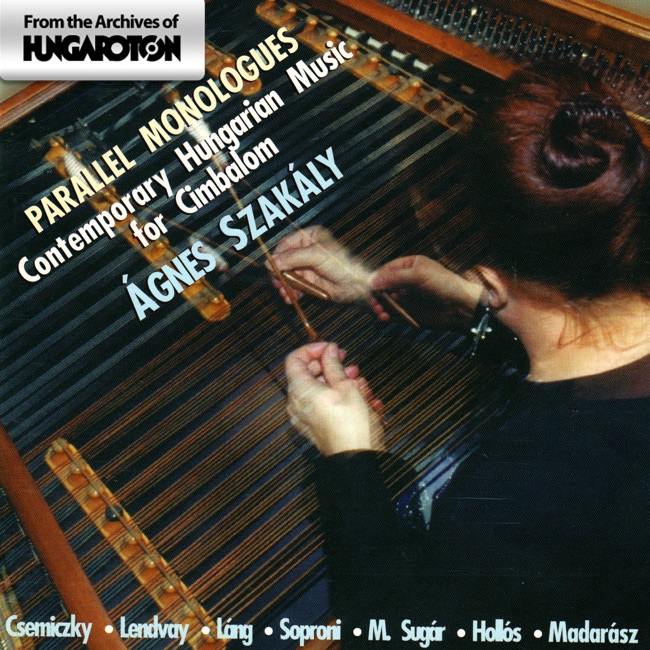
-
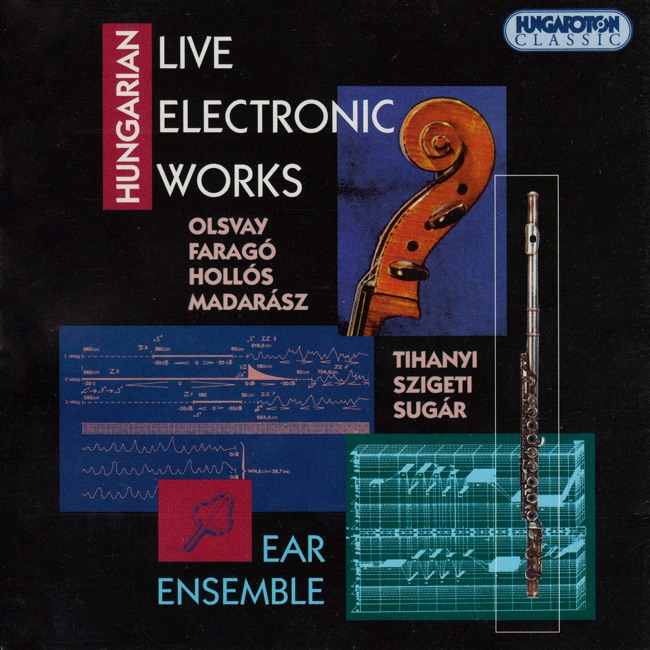 November 21, 2000
Orchestral
-
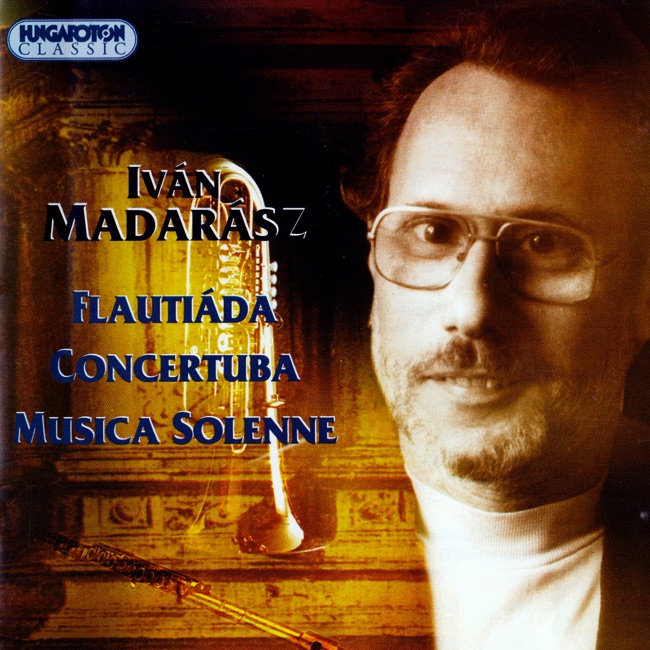 March 15, 2000
Opera
-
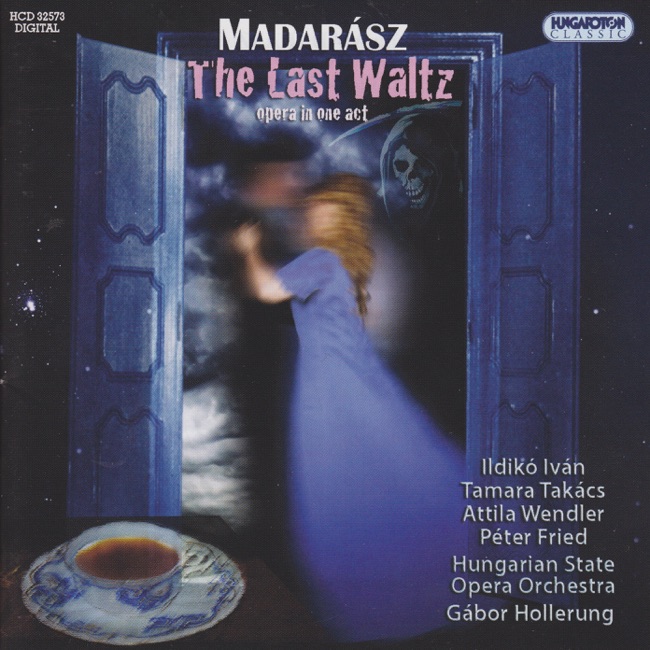 July 8, 2009
Artist Info
Role:Composer PerformerBirth:1949Period:ContemporaryGenre:Avant-GardeIvan Madarasz was a Hungarian composer who lived from 1920 to 1986. He was born in Budapest, Hungary, and showed an early interest in music. His parents recognized his talent and encouraged him to pursue his passion. Madarasz began studying music at a young age, and by the time he was a teenager, he was already composing his own pieces. Madarasz's early musical education was at the Franz Liszt Academy of Music in Budapest. He studied composition with Zoltán Kodály, one of Hungary's most famous composers. Kodály was a major influence on Madarasz's music, and he taught him the importance of incorporating Hungarian folk music into his compositions. Madarasz's early works were heavily influenced by Kodály's style, but he soon developed his own unique voice. His music was characterized by its use of Hungarian folk melodies, complex harmonies, and intricate rhythms. Madarasz was also known for his use of unconventional instruments, such as the cimbalom, a Hungarian hammered dulcimer. One of Madarasz's most famous works is his Concerto for Cimbalom and Orchestra. This piece was written in 1957 and is considered one of the most important works in the cimbalom repertoire. The concerto is a virtuosic showcase for the cimbalom, and it highlights Madarasz's skill as a composer. The piece is also notable for its use of Hungarian folk melodies, which are woven throughout the work. Another important work by Madarasz is his Symphony No. 1. This piece was written in 1950 and is considered one of his most significant works. The symphony is characterized by its use of complex harmonies and intricate rhythms. It also features a prominent role for the cimbalom, which is used to great effect in the second movement. Madarasz's music was not always well-received by the Hungarian government. During the 1950s and 1960s, Hungary was under communist rule, and the government had strict rules about what kind of music could be performed. Madarasz's music was often considered too avant-garde, and he was sometimes criticized for his use of unconventional instruments and complex harmonies. Despite these challenges, Madarasz continued to compose throughout his life. He wrote music for a variety of ensembles, including orchestras, chamber groups, and solo instruments. His music was performed throughout Hungary and Europe, and he was recognized as one of Hungary's most important composers. Madarasz died in 1986, but his music continues to be performed and recorded today. His legacy as a composer is characterized by his use of Hungarian folk melodies, his innovative use of instruments, and his complex harmonies and rhythms. His music is a testament to the rich musical tradition of Hungary, and it continues to inspire musicians and audiences around the world.More....
Recent Artist Music
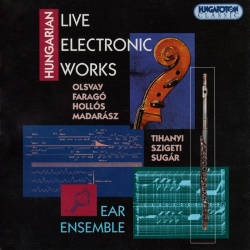
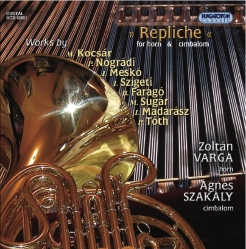
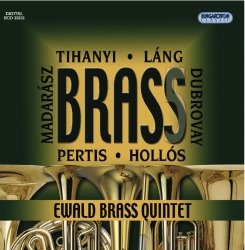
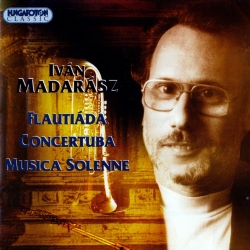
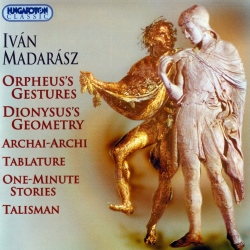
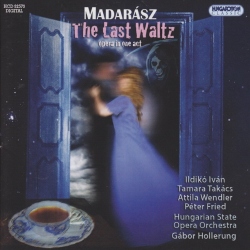
7
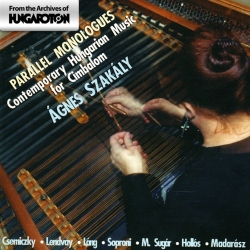
12:24
Copyright Ⓒ 2013 Davinci Finger. All rights reseved
Service Terms & Policy