


José Antonio de Donostia (José Antonio de San Sebastián; Aita Donostia; Padre Donostia)
Released Album
Keyboard
-
 August 26, 2022
 -
 November 16, 2004
 -
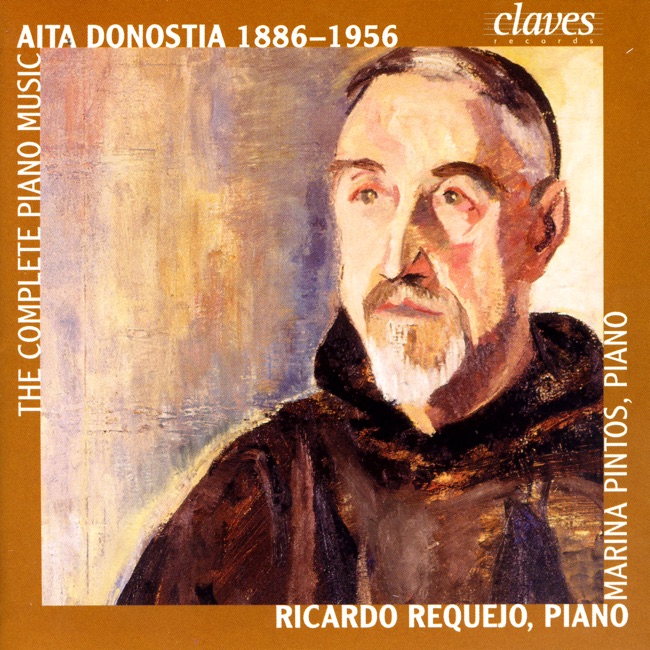 August 31, 2004
Vocal
-
 January 8, 2016
 -
 April 8, 2014
Orchestral
-
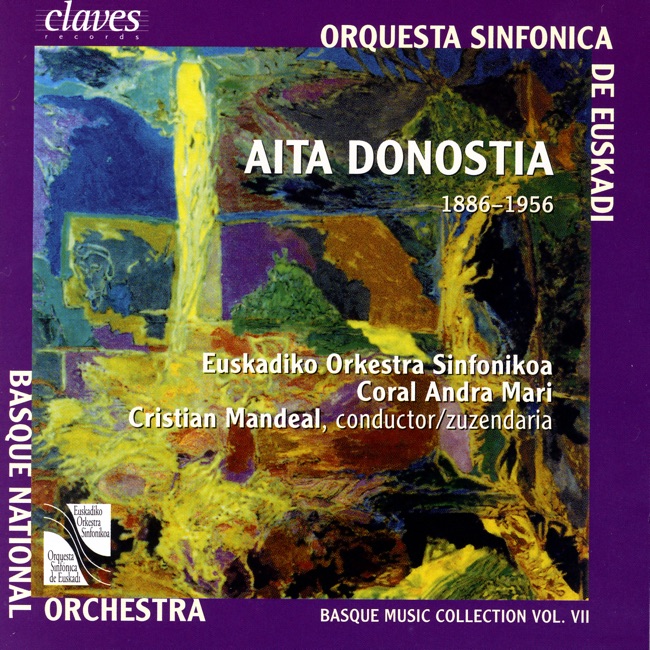 February 24, 2004
Artist Info
Role:ComposerBirth:January 10, 1886Death:August 30, 1956Period:ModernGenre:ChoralJosé Antonio de Donostia, also known as José Antonio de San Sebastián, Aita Donostia, or Padre Donostia, was a Spanish composer and musicologist who made significant contributions to the field of Basque music. He was born on September 14, 1886, in San Sebastián, Spain, and grew up in a family of musicians. His father, Juan José Olaizola, was a composer and organist, and his mother, María de la Concepción de Iriarte, was a pianist and singer. Donostia showed an early interest in music and began studying piano and composition with his father at a young age. He also studied harmony, counterpoint, and fugue with the composer and musicologist Felipe Gorriti. In 1904, he entered the Seminary of Vitoria-Gasteiz to study theology, but he continued to pursue his musical studies on the side. After completing his studies at the seminary, Donostia was ordained as a priest in 1910 and began working as a chaplain in various parishes in the Basque Country. He continued to compose music and became interested in the traditional music of the Basque people. He began collecting and transcribing folk songs and dances, and he also studied the history and theory of Basque music. In 1918, Donostia published his first collection of Basque folk songs, titled "Euskal Kanta Berriak" (New Basque Songs). The collection included 25 songs that he had transcribed and arranged for piano and voice. The publication was well-received and helped to establish Donostia as a leading authority on Basque music. Over the next several years, Donostia continued to collect and transcribe Basque folk music, and he also composed his own works inspired by the traditional music of the region. He wrote numerous choral works, including "Eresi Gogor" (Remembering the Dead), "Eusko Abestiak" (Basque Songs), and "Eusko Kantak" (Basque Chants). He also composed instrumental works, such as "Euskal Herriko Trikitixa" (Accordion Music of the Basque Country) and "Euskal Herriko Musika" (Music of the Basque Country). In addition to his work as a composer, Donostia was also a respected musicologist and scholar. He wrote extensively on the history and theory of Basque music, and he was a founding member of the Basque Studies Society. He also taught music at the Seminary of Vitoria-Gasteiz and at the University of Deusto. Donostia's music is characterized by its use of traditional Basque melodies and rhythms, as well as its incorporation of modern harmonies and techniques. His works often feature complex polyphony and rich harmonies, and they are known for their emotional depth and expressive power. One of Donostia's most famous works is his "Eresi Gogor" (Remembering the Dead), which was written in memory of the victims of the Spanish Civil War. The work is a powerful choral piece that combines traditional Basque melodies with modern harmonies and dissonances. It has been performed by choirs around the world and is considered a masterpiece of Basque choral music. Another notable work by Donostia is his "Euskal Herriko Trikitixa" (Accordion Music of the Basque Country), which is a collection of traditional Basque accordion tunes arranged for piano. The work is a tribute to the rich tradition of Basque accordion music, which has been an important part of the region's culture for centuries. Donostia's contributions to the field of Basque music were significant, and his work helped to preserve and promote the traditional music of the region.More....
Recent Artist Music
1
4:
3
2:23
4
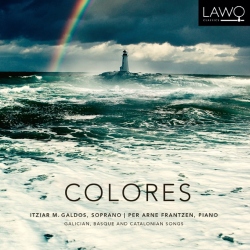
2:17

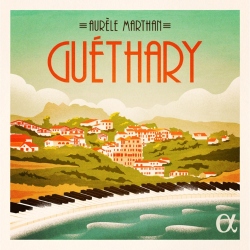

Copyright Ⓒ 2013 Davinci Finger. All rights reseved
Service Terms & Policy