


Oedoen Partos
Released Album
Concerto
-
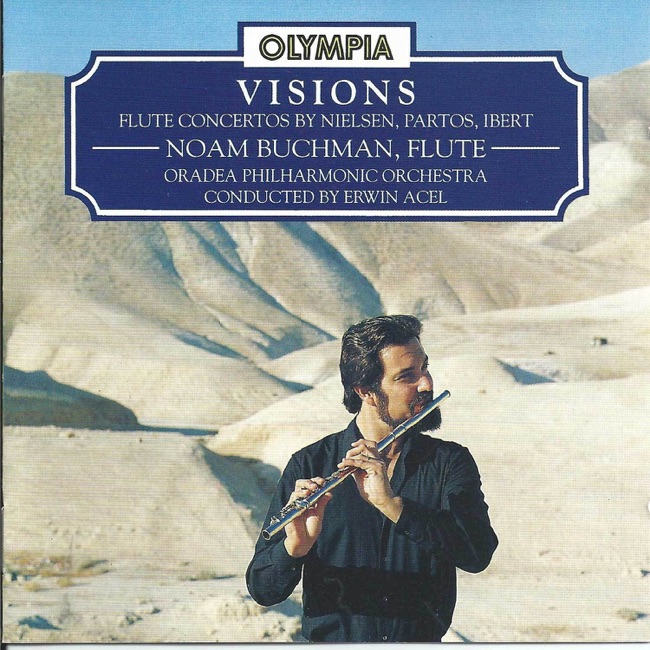 January 17, 2000
 -
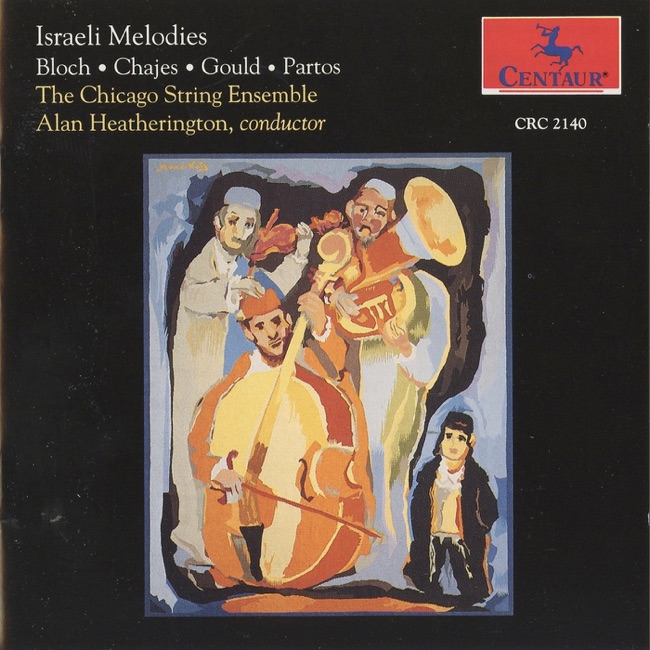 September 1, 1992
Chamber
-
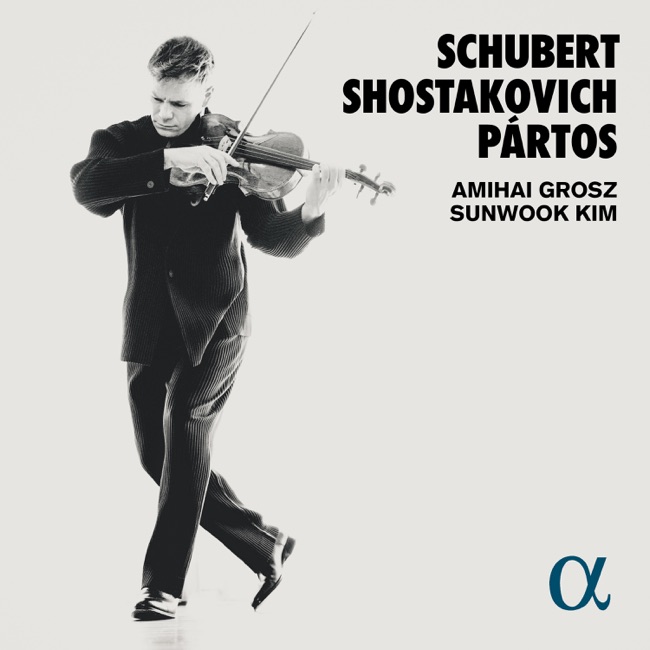 September 25, 2020
 -
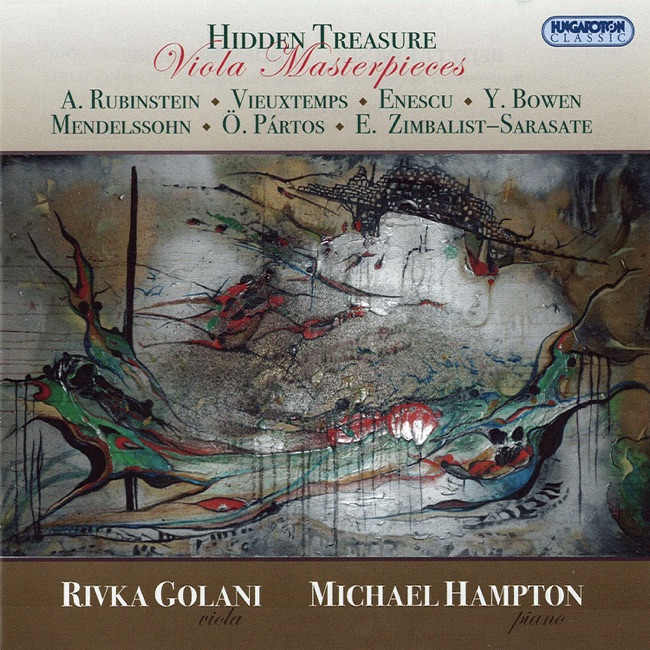 August 12, 2014
 -
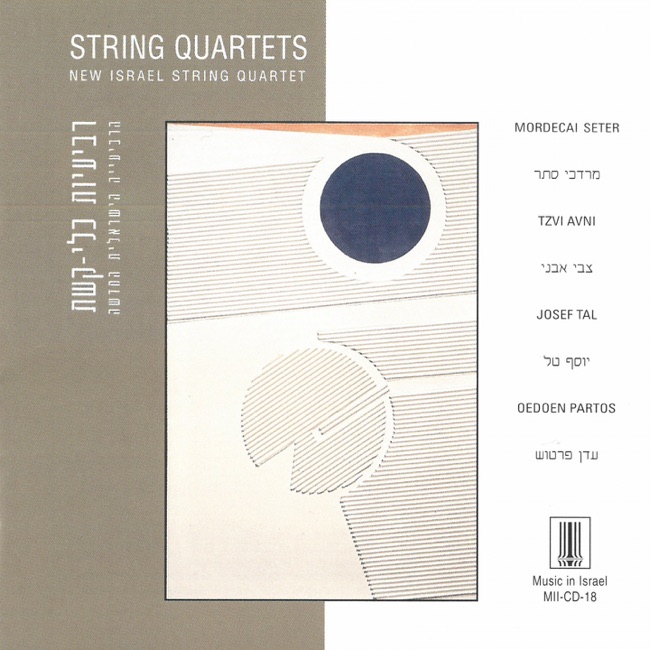 June 10, 2014
 -
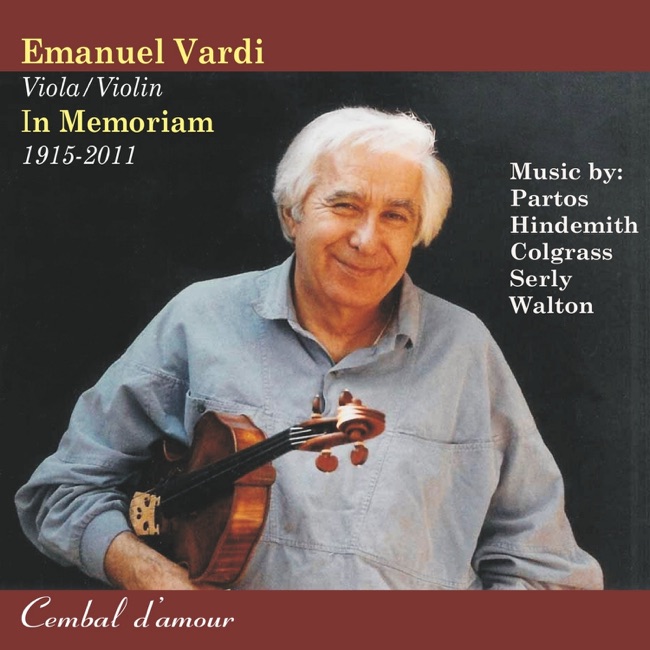 July 26, 2011
 -
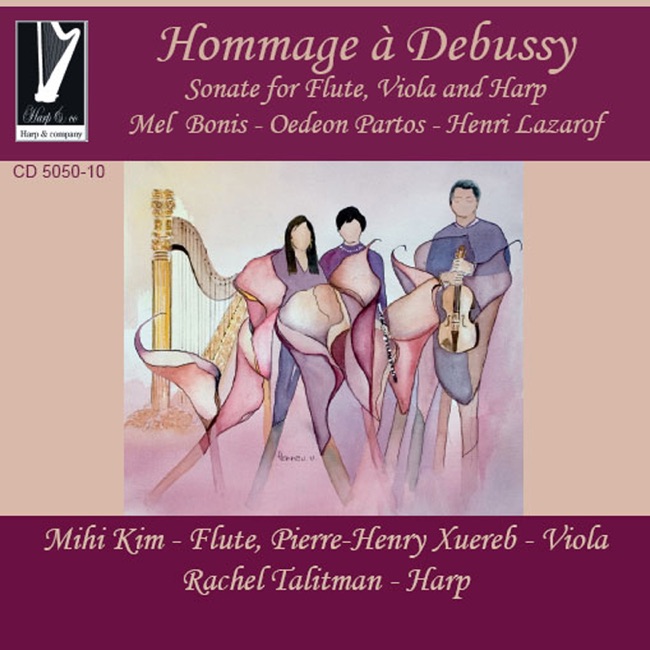 November 13, 2007
 -
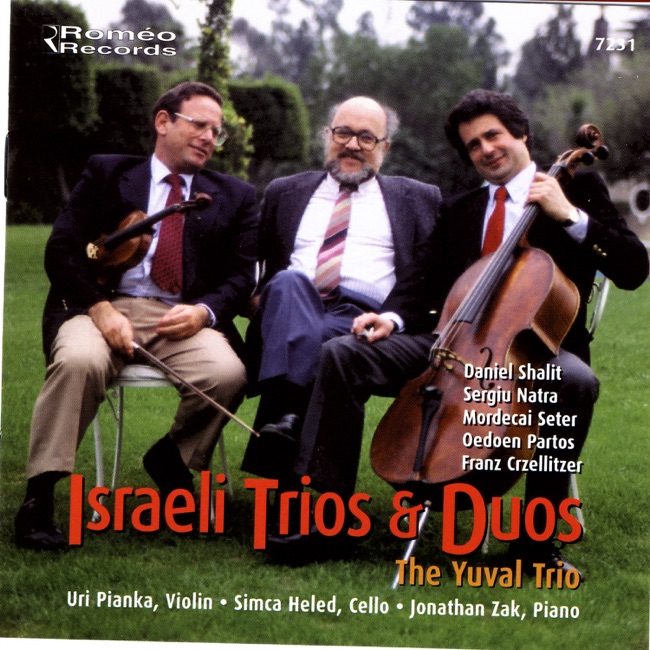 January 25, 2005
Orchestral
-
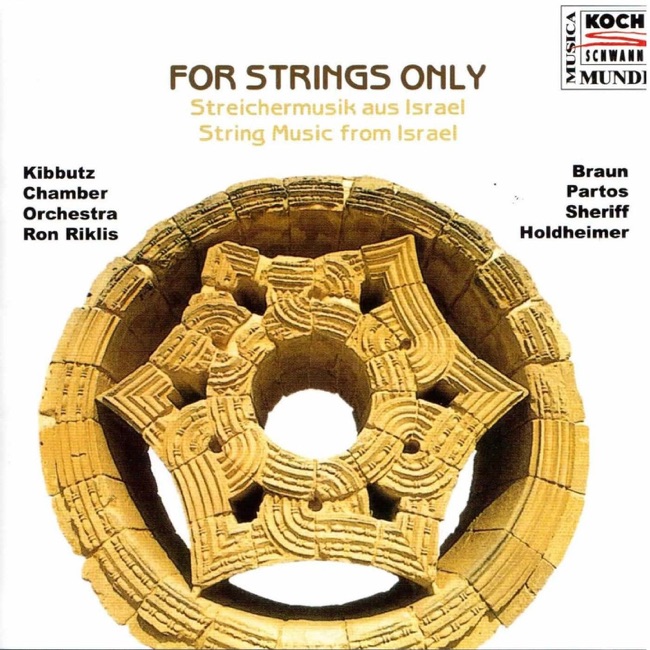 February 27, 2001
Keyboard
-
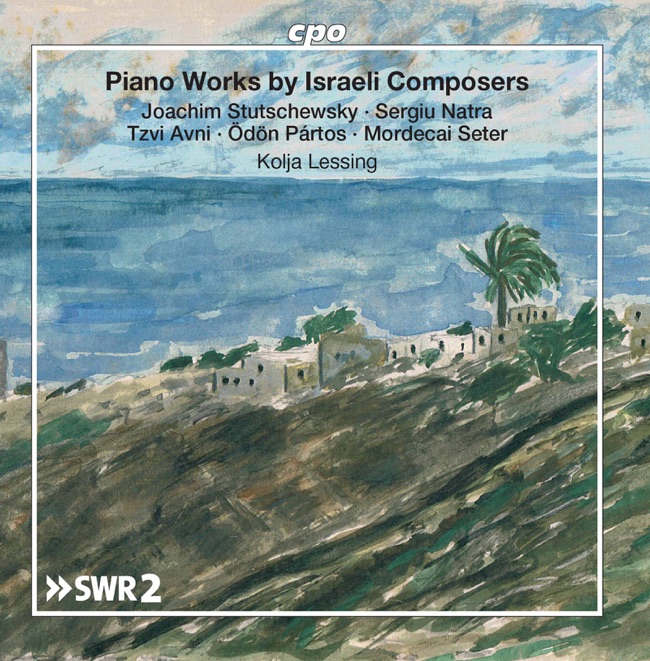 January 3, 2020
Artist Info
Role:ComposerBirth:October 1, 1907 in Budapest, HungaryDeath:July 6, 1977 in Tel Aviv, IsraelGenre:ConcertoOrchestralOedoen Partos was a Hungarian-born Israeli composer who made significant contributions to the world of classical music. He was born on August 8, 1907, in Budapest, Hungary, to a family of musicians. His father was a violinist, and his mother was a pianist. Partos showed an early interest in music and began playing the cello at the age of six. Partos received his formal music education at the Franz Liszt Academy of Music in Budapest, where he studied composition with Zoltán Kodály and cello with Adolf Schiffer. He graduated in 1930 and began his career as a cellist, playing in various orchestras in Hungary and Germany. In 1933, Partos moved to Palestine (now Israel) and became a founding member of the Palestine Symphony Orchestra (now the Israel Philharmonic Orchestra). He also taught cello at the Jerusalem Academy of Music and Dance. During this time, Partos began to focus more on composition and developed his unique style, which blended elements of Hungarian folk music with modernist techniques. One of Partos' most significant works is his Cello Concerto, which he composed in 1953. The concerto is a virtuosic showcase for the cello, with a lyrical and expressive solo part that highlights the instrument's range and capabilities. The piece also features a rich orchestral accompaniment that complements the soloist's performance. Another notable work by Partos is his String Quartet No. 2, which he composed in 1961. The quartet is a complex and challenging piece that showcases Partos' mastery of counterpoint and his ability to create intricate textures and harmonies. The work is divided into four movements, each with its own distinct character and mood. Partos' music often reflects his Jewish heritage and his experiences as a Holocaust survivor. His Symphony for Strings, which he composed in 1959, is a powerful and emotional work that pays tribute to the victims of the Holocaust. The piece is divided into three movements, each of which represents a different aspect of the tragedy. The first movement is a mournful elegy, the second is a frenzied dance, and the third is a solemn hymn. Partos continued to compose throughout his life, and his later works reflect his growing interest in electronic music and avant-garde techniques. He died on January 7, 1977, in Jerusalem, leaving behind a legacy of innovative and expressive music. In conclusion, Oedoen Partos was a Hungarian-born Israeli composer who made significant contributions to the world of classical music. His unique style blended elements of Hungarian folk music with modernist techniques, and his music often reflected his Jewish heritage and his experiences as a Holocaust survivor. Partos' most significant works include his Cello Concerto, String Quartet No. 2, and Symphony for Strings, which showcase his mastery of counterpoint, intricate textures, and emotional expression. Partos' legacy continues to inspire and influence composers and musicians around the world.More....
Recent Artist Music
2
8:
3
9:43
5
9:44
Copyright Ⓒ 2013 Davinci Finger. All rights reseved
Service Terms & Policy