


Camargo Guarnieri
Released Album
Orchestral
-
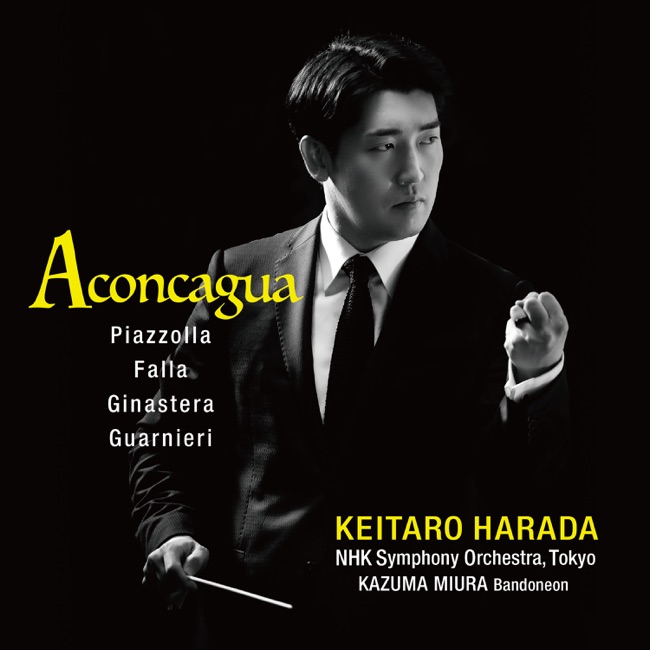 December 22, 2021
 -
 November 24, 2015
 -

-
 November 22, 2011
 -
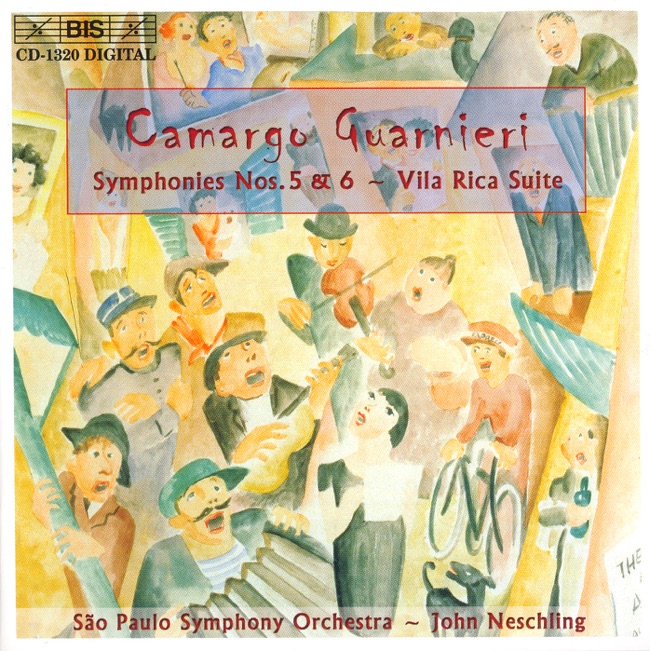
-
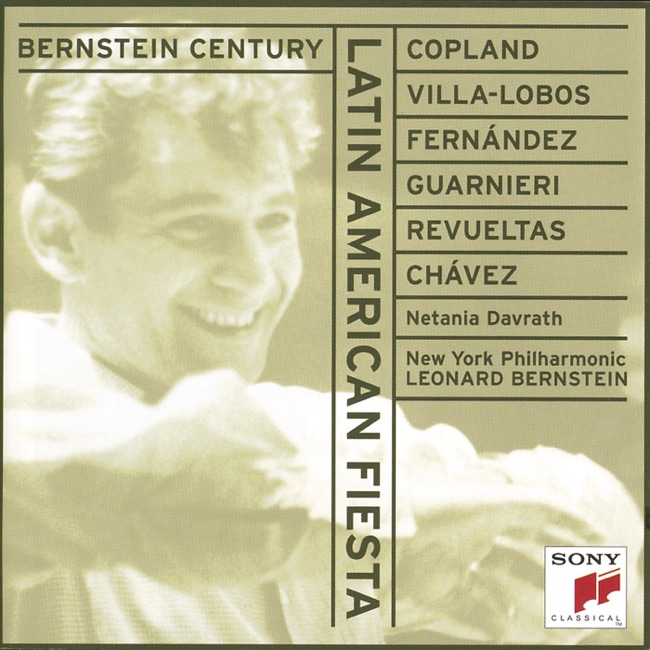 June 23, 1998
Chamber
-
 December 7, 2018
 -
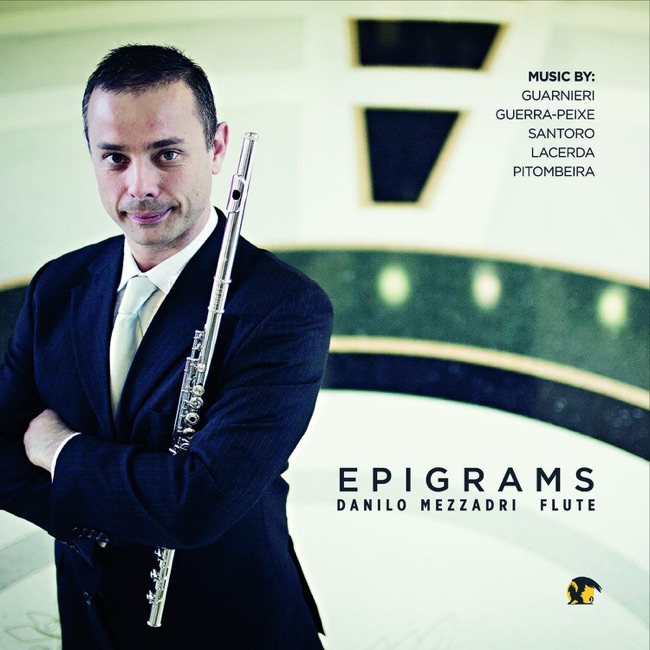 October 10, 2017
 -
 July 7, 2017
 -
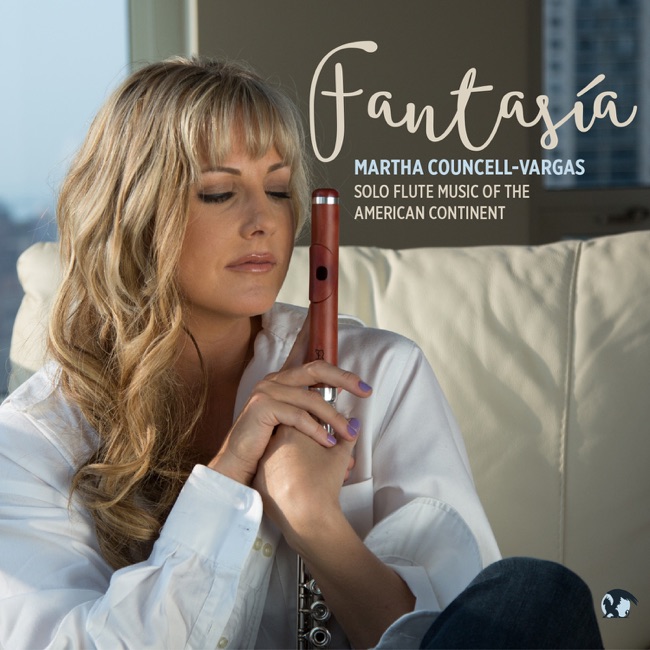 September 8, 2015
 -
 February 22, 2012
 -
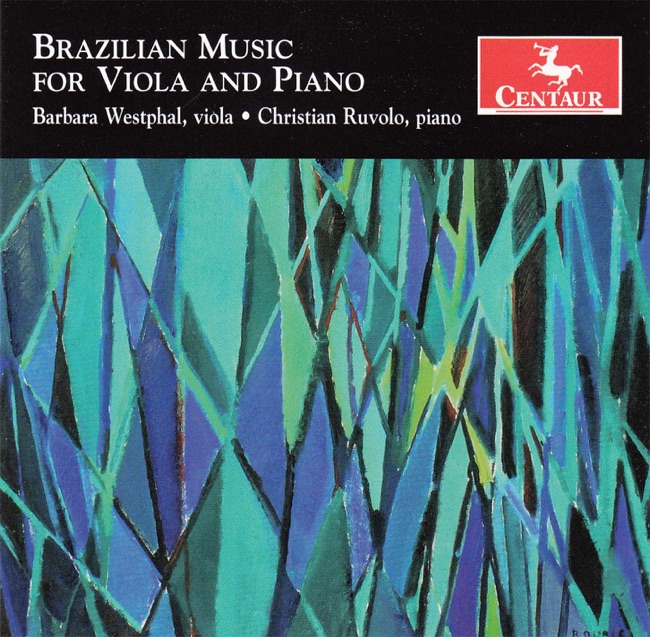 February 9, 2011
Keyboard
-
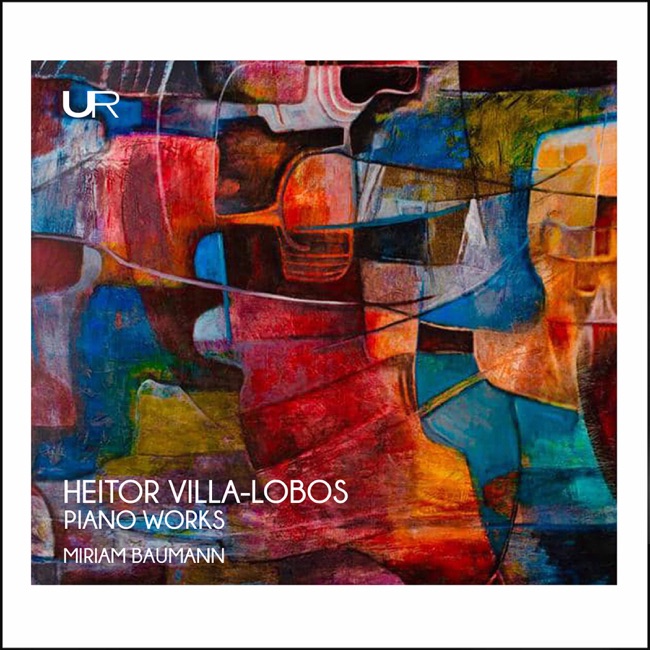 April 15, 2022
 -
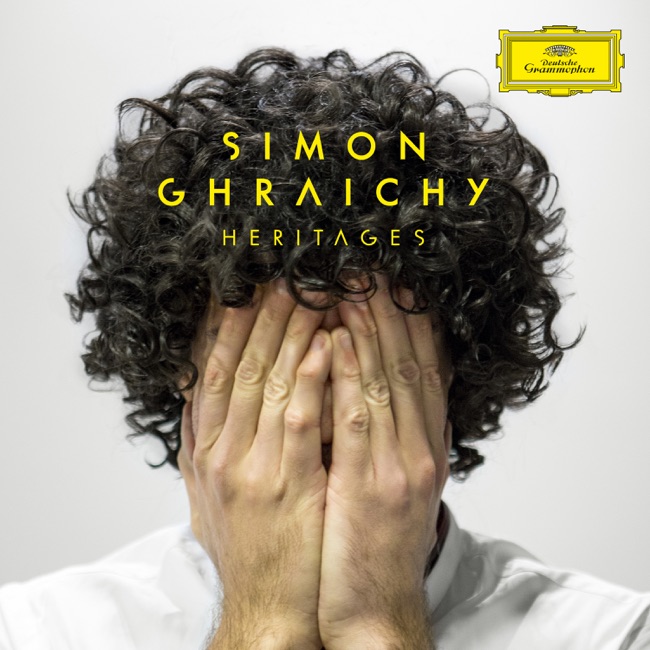 February 17, 2017
 -
 April 1, 2016
 -
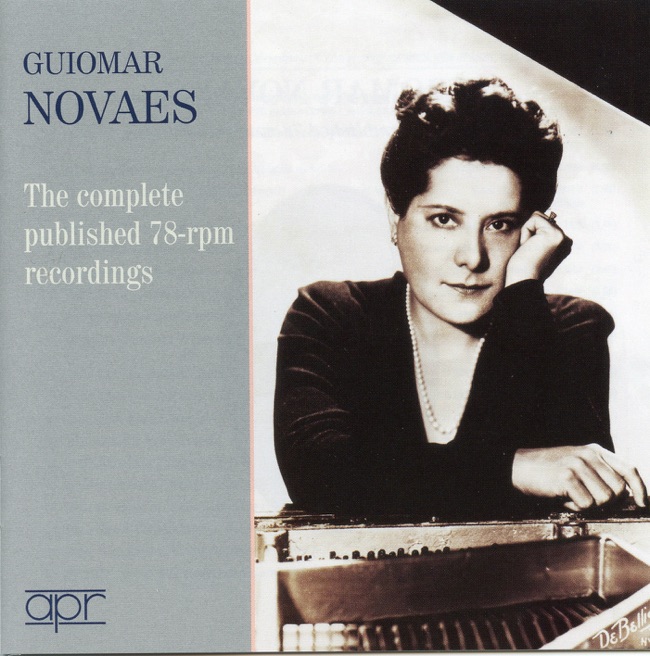 December 9, 2014
 -
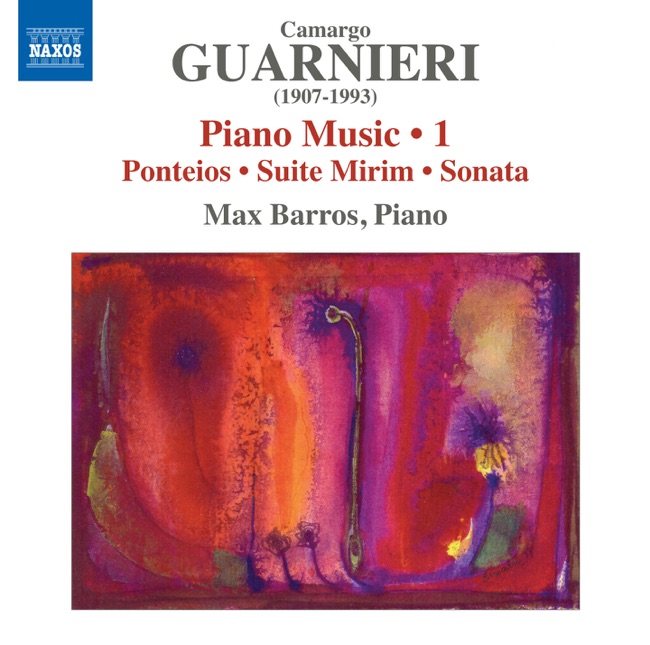 January 7, 2013
 -
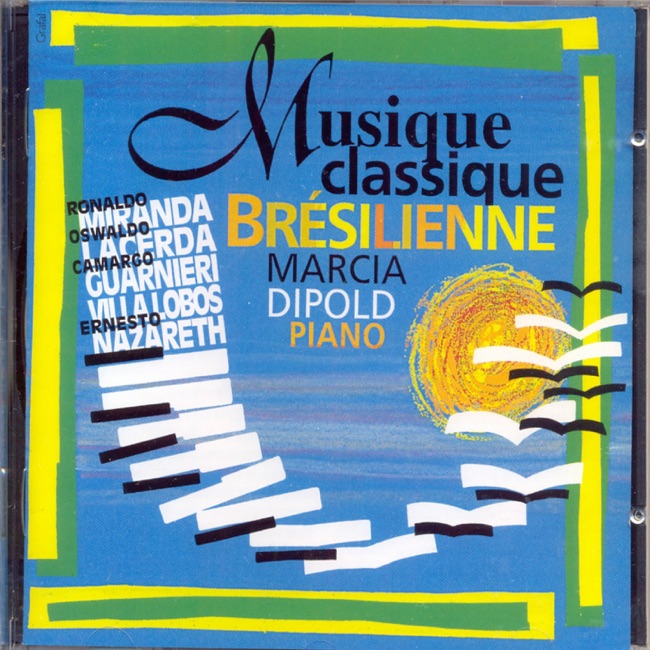
Artist Info
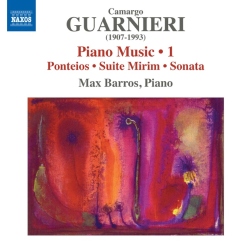
Role:Composer ConductorCountry: BrazilBirth:February 1, 1907 in TietêDeath:January 13, 1993 in São Paulo, BrazilPeriod:ContemporaryModernGenre:ChamberKeyboardOrchestralCamargo Guarnieri was a Brazilian composer who was born on February 1, 1907, in Tietê, São Paulo. He was the son of Italian immigrants and grew up in a musical family. His father was a violinist and his mother was a pianist, and they both encouraged their son's musical talents from a young age. Guarnieri began his formal music education at the age of 11 when he enrolled in the São Paulo Conservatory of Music. He studied piano, composition, and conducting, and quickly showed a talent for composition. In 1928, he won a scholarship to study in Paris, where he studied with Nadia Boulanger, one of the most influential composition teachers of the 20th century. After returning to Brazil in 1930, Guarnieri began to establish himself as a composer. He was one of the founders of the Brazilian Composers' Association and was a leading figure in the Brazilian modernist movement. He was also a professor of composition at the São Paulo Conservatory of Music from 1939 to 1972. Guarnieri's music is characterized by its use of Brazilian folk melodies and rhythms, as well as its modernist harmonies and structures. He wrote in a variety of genres, including symphonies, concertos, chamber music, and vocal music. One of Guarnieri's most famous works is his Piano Concerto No. 1, which he composed in 1948. The concerto is in three movements and features a virtuosic piano part that is accompanied by a full orchestra. The work is notable for its use of Brazilian rhythms and melodies, as well as its modernist harmonies and structures. Another important work by Guarnieri is his Symphony No. 4, which he composed in 1952. The symphony is in four movements and is notable for its use of Brazilian folk melodies and rhythms, as well as its modernist harmonies and structures. The work is considered one of Guarnieri's masterpieces and is frequently performed by orchestras around the world. Guarnieri also wrote a number of chamber music works, including his String Quartet No. 3, which he composed in 1952. The quartet is in four movements and is notable for its use of Brazilian folk melodies and rhythms, as well as its modernist harmonies and structures. The work is considered one of Guarnieri's most important chamber music works. In addition to his work as a composer, Guarnieri was also a conductor. He conducted the São Paulo Symphony Orchestra from 1947 to 1953 and the Brazilian Symphony Orchestra from 1953 to 1956. He was also a guest conductor with orchestras around the world, including the New York Philharmonic and the London Symphony Orchestra. Guarnieri received numerous awards and honors throughout his career, including the Order of Cultural Merit from the Brazilian government in 1971 and the Latin Grammy Lifetime Achievement Award in 2001. He died on January 13, 1993, in São Paulo, Brazil, at the age of 85. In conclusion, Camargo Guarnieri was a Brazilian composer who was known for his use of Brazilian folk melodies and rhythms, as well as his modernist harmonies and structures. He was a leading figure in the Brazilian modernist movement and was a professor of composition at the São Paulo Conservatory of Music for over 30 years. His works, including his Piano Concerto No. 1, Symphony No. 4, and String Quartet No. 3, are considered some of the most important works in Brazilian classical music.More....
Recent Artist Music


5

1:23


11

1:47


Recommend Playlist







Copyright Ⓒ 2013 Davinci Finger. All rights reseved
Service Terms & Policy