


Jean-Jacques-Baptiste Anet
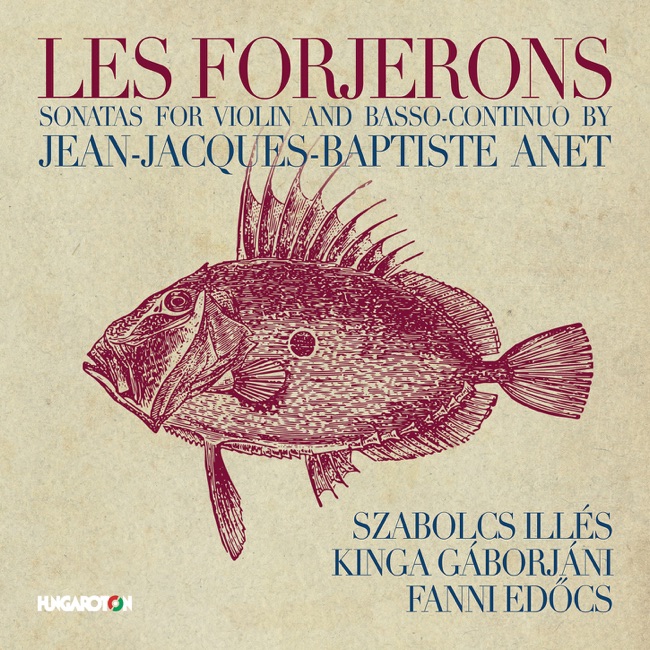
Released Album
Chamber
-
 October 14, 2022
 -
-
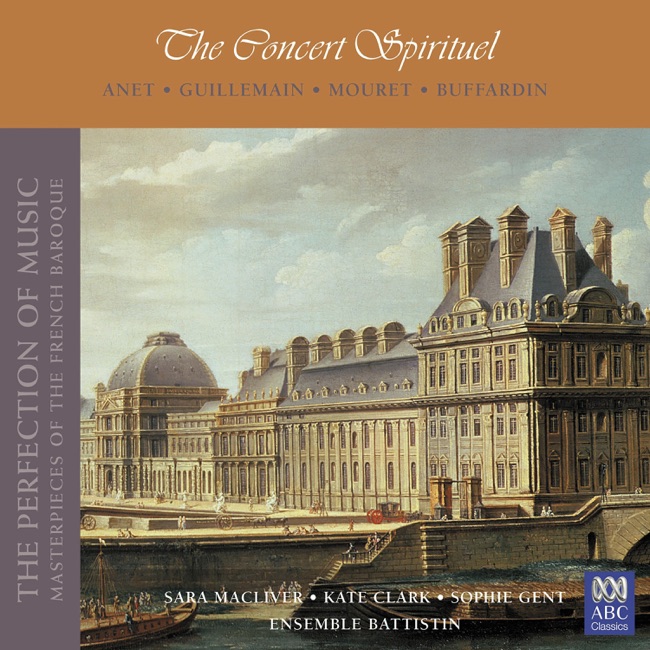 February 11, 2008
Artist Info
Role:ComposerGenre:ChamberJean-Jacques-Baptiste Anet was a French composer of the Classical era, born on January 1, 1743, in the city of Rouen, France. He was the son of a musician, and his father recognized his son's musical talent at an early age. Anet began his musical education at the age of six, studying the violin and the harpsichord with his father. At the age of 14, Anet moved to Paris to continue his musical studies. He studied composition with Jean-Philippe Rameau, one of the most prominent composers of the time. Anet also studied the violin with Jean-Marie Leclair, a famous violinist and composer. Anet's early compositions were influenced by the music of Rameau and Leclair. He wrote several sonatas for violin and harpsichord, as well as chamber music for various ensembles. Anet's music was well-received, and he quickly gained a reputation as a talented composer. In 1765, Anet was appointed as the music director of the Royal Academy of Music in Paris. He held this position for several years, during which time he composed several operas and ballets. Anet's operas were known for their beautiful melodies and intricate orchestration. One of Anet's most famous works is his opera "Le Jugement de Midas" (The Judgment of Midas), which premiered in 1778. The opera tells the story of King Midas, who is granted the power to turn everything he touches into gold. The opera was a great success, and it was performed throughout Europe. Anet also composed several ballets, including "La Fête de Flore" (The Festival of Flora) and "Les Amours de Mars et de Vénus" (The Loves of Mars and Venus). These ballets were known for their graceful choreography and beautiful music. In addition to his work as a composer, Anet was also a respected music theorist. He wrote several treatises on music theory, including "L'Art de la Musique" (The Art of Music) and "Traité de l'Harmonie" (Treatise on Harmony). These works were influential in the development of music theory in the Classical era. Anet continued to compose music throughout his life, and he remained an important figure in the Parisian music scene until his death in 1824. His music was known for its elegance and sophistication, and it was admired by many of his contemporaries. Today, Anet's music is still performed and recorded by musicians around the world. His contributions to the development of Classical music are significant, and his legacy continues to inspire new generations of composers and musicians.More....
Recent Artist Music
1
3:24
2
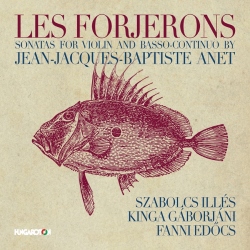
Sonata for violin & continuo No. 11 in C minor First Book of Sonatas for Solo Violin and Bass
Sonate no. 11 en do mineur: I. Largo
2:1
3
2:31
4
3:24
5
3:24
Copyright Ⓒ 2013 Davinci Finger. All rights reseved
Service Terms & Policy