


Bernard Rogers
Released Album
Orchestral
Chamber
-
 January 1, 2001
Choral
-
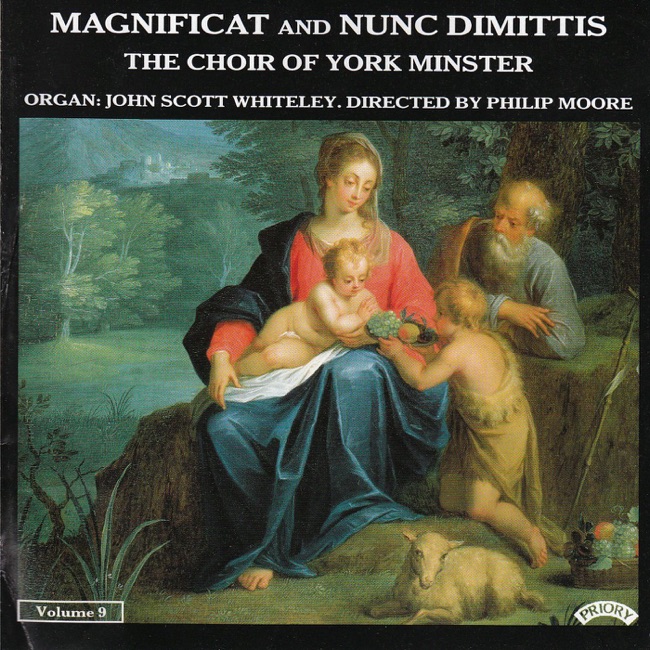 June 24, 1997
Artist Info
Role:ComposerBirth:February 4, 1893Death:May 24, 1968Period:ModernGenre:ChamberChoralOrchestralBernard Rogers was a British-American composer who was born on February 4, 1893, in London, England. He was the son of a music teacher and grew up in a musical family. Rogers showed an early interest in music and began studying the piano and violin at a young age. He later studied composition with Charles Villiers Stanford at the Royal College of Music in London. In 1914, Rogers moved to the United States to study at the Eastman School of Music in Rochester, New York. He continued his studies with Howard Hanson and David Stanley Smith, and later became a professor of composition at the Eastman School of Music. Rogers' early works were influenced by the English pastoral style of music, but he later developed his own unique style that blended elements of traditional tonality with modernist techniques. His music was often characterized by its lyricism, rhythmic vitality, and colorful orchestration. One of Rogers' most notable works is his Symphony No. 2, which was premiered by the Boston Symphony Orchestra in 1935. The symphony is a four-movement work that features a lush, romantic style and a strong sense of drama. The second movement, in particular, is known for its hauntingly beautiful melody and rich harmonies. Another significant work by Rogers is his Piano Concerto, which was premiered by the New York Philharmonic in 1941. The concerto is a virtuosic showcase for the soloist, with a lively and energetic first movement, a lyrical second movement, and a lively and rhythmic finale. Rogers also wrote a number of choral works, including his cantata The Song of Deborah and Barak, which was premiered by the Rochester Philharmonic Orchestra in 1938. The cantata is based on the biblical story of Deborah and Barak and features a powerful and dramatic score that showcases Rogers' skill as a composer of choral music. In addition to his work as a composer, Rogers was also a respected music educator. He taught at the Eastman School of Music for over 30 years and was known for his dedication to his students and his commitment to the advancement of music education. Rogers' contributions to the world of classical music were recognized with numerous awards and honors throughout his career. He was elected to the American Academy of Arts and Letters in 1950 and was awarded the Pulitzer Prize for Music in 1958 for his Symphony No. 4. Bernard Rogers died on September 10, 1968, in Rochester, New York. His legacy as a composer and educator continues to inspire musicians and music lovers around the world.More....
Recent Artist Music
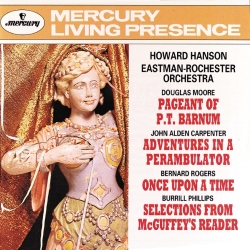
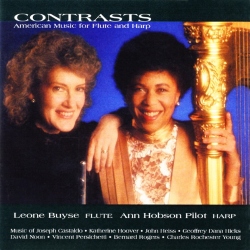
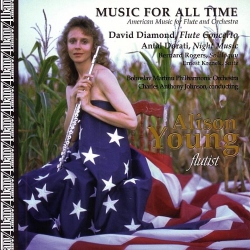
5
24:1
Copyright Ⓒ 2013 Davinci Finger. All rights reseved
Service Terms & Policy