


Johan Joachim Agrell
Released Album
Keyboard
-
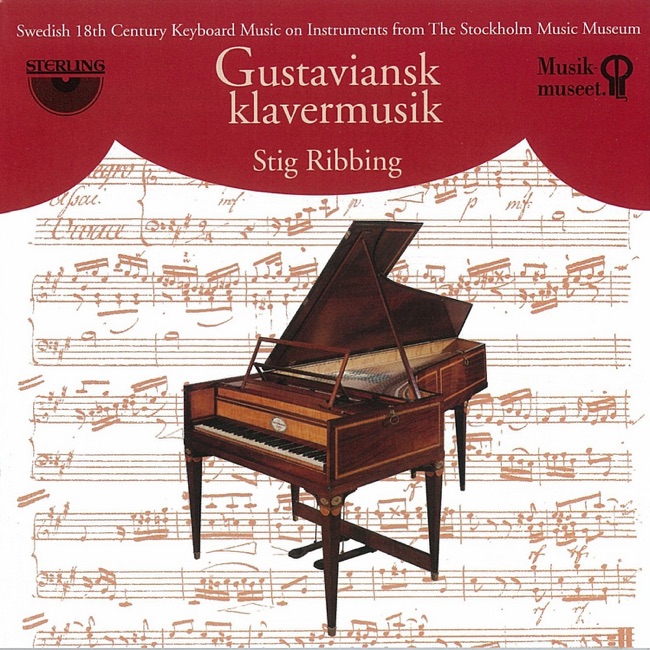 July 25, 2006
 -
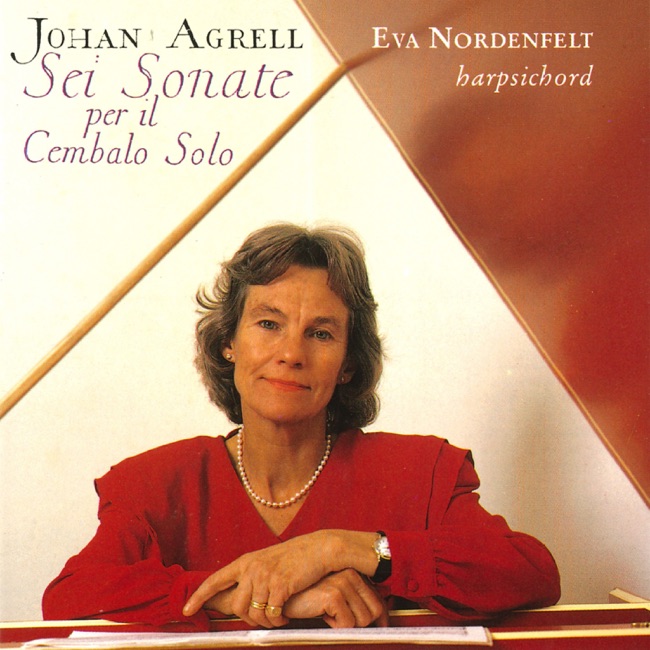 January 1, 1991
Concerto
-
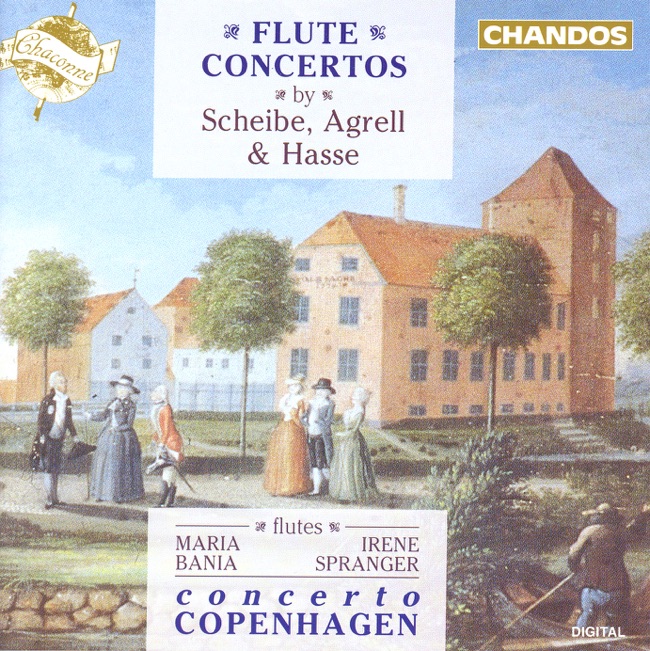 February, 1993
Artist Info
Role:ComposerCountry: SwedenBirth:February 1, 1701 in Löth, ÖstergötlandDeath:January 19, 1765 in Nuremberg, GermanyPeriod:ClassicalGenre:ConcertoSymphonyJohan Joachim Agrell was a Swedish composer who lived during the 18th century. He was born on January 1, 1701, in the town of Löth in the province of Västergötland, Sweden. Agrell was the son of a schoolteacher and grew up in a musical family. His father was a skilled musician who taught him how to play the violin and the harpsichord. Agrell showed a great talent for music at a young age and began composing his own pieces when he was just a teenager. Agrell received his formal musical education in Germany, where he studied with some of the most prominent composers of the time. He first studied with Johann Sebastian Bach in Leipzig, where he learned the art of counterpoint and composition. He then moved to Berlin, where he studied with Johann Joachim Quantz, a famous flutist and composer. Agrell also studied with Johann Gottlieb Graun, a renowned violinist and composer. After completing his studies, Agrell returned to Sweden and began working as a court musician for King Frederick I. He quickly became one of the most respected composers in Sweden and was known for his innovative and expressive compositions. Agrell's music was heavily influenced by the Baroque style, but he also incorporated elements of the emerging Classical style into his works. Agrell's most famous works include his symphonies, concertos, and chamber music. His symphonies are characterized by their lively rhythms, intricate harmonies, and expressive melodies. His concertos are known for their virtuosic solo parts and their use of the ritornello form. Agrell's chamber music is also highly regarded and includes works for string quartet, flute, and harpsichord. One of Agrell's most famous works is his Symphony in C major, which is often referred to as his "Stockholm Symphony." This symphony is a prime example of Agrell's innovative style and features a lively opening movement, a slow and expressive second movement, and a lively and energetic finale. The symphony is known for its use of counterpoint and its intricate harmonies. Another famous work by Agrell is his Concerto for Flute and Strings in D major. This concerto is a virtuosic showcase for the flute and features a lively and energetic first movement, a slow and expressive second movement, and a lively and dance-like finale. The concerto is known for its use of the ritornello form and its intricate and expressive melodies. Agrell's chamber music is also highly regarded and includes works for string quartet, flute, and harpsichord. His String Quartet in G minor is a prime example of his chamber music and features a lively and energetic first movement, a slow and expressive second movement, and a lively and dance-like finale. The quartet is known for its use of counterpoint and its intricate harmonies. Agrell continued to compose music throughout his life and remained a highly respected composer until his death on January 19, 1765. His music has continued to be performed and recorded to this day and is regarded as some of the finest music of the Baroque and Classical periods. Agrell's innovative style and expressive melodies have influenced countless composers throughout history and his legacy continues to live on in the world of classical music.More....
Copyright Ⓒ 2013 Davinci Finger. All rights reseved
Service Terms & Policy