


Hermann Nitsch
Released Album
Symphony
-
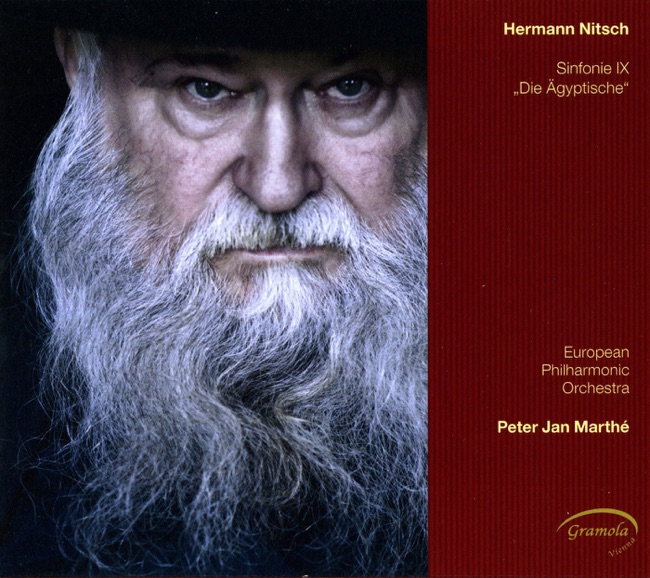 December 24, 2009
 -
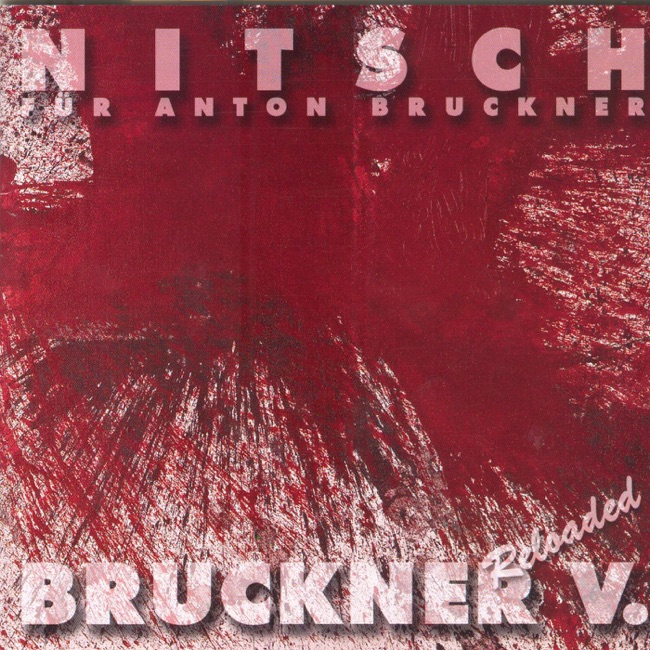 September 9, 2008
Artist Info
Role:ComposerCountry: AustriaBirth:August 29, 1938 in Vienna, AustriaHermann Nitsch is a prominent Austrian composer, painter, and performance artist who is best known for his contributions to the Viennese Actionism movement. Born on August 29, 1938, in Vienna, Austria, Nitsch grew up in a family of artists and musicians. His father was a painter, and his mother was a pianist. Nitsch showed an early interest in music and began playing the piano at a young age. Nitsch studied at the Academy of Fine Arts in Vienna, where he was exposed to the works of the Viennese Actionists, a group of artists who sought to challenge traditional art forms and push the boundaries of what was considered acceptable in art. Nitsch was particularly drawn to the group's use of performance art as a means of expressing their ideas. In the early 1960s, Nitsch began to develop his own style of performance art, which he called the Orgien Mysterien Theater (Theater of Orgies and Mysteries). The performances were often controversial and involved ritualistic elements, including the use of animal carcasses and blood. Nitsch saw these performances as a way of exploring the human condition and the relationship between life and death. Nitsch's interest in music continued to grow, and he began to incorporate musical elements into his performances. He composed his first piece of music, "Das 1. Blutorgelkonzert" (The First Blood Organ Concert), in 1962. The piece was performed as part of a larger performance art piece and featured the use of an organ and a choir. Over the years, Nitsch continued to compose music and incorporate it into his performances. His music is often characterized by its use of repetition and dissonance, as well as its incorporation of unconventional instruments and sounds. Nitsch's music has been described as both beautiful and disturbing, reflecting his interest in exploring the darker aspects of the human experience. One of Nitsch's most famous works is his "6-Tage-Spiel" (Six-Day Play), which was first performed in 1972. The piece involved a group of performers who were locked in a room for six days and subjected to a series of intense and often violent rituals. The performance included elements of music, theater, and visual art, and was intended to be a reflection on the human condition. Nitsch's work has been the subject of controversy throughout his career, with some critics accusing him of promoting violence and depravity. However, Nitsch has always maintained that his work is intended to be a reflection on the human experience and a means of exploring the darker aspects of the human psyche. Despite the controversy surrounding his work, Nitsch has been recognized as a significant figure in the world of contemporary art and music. His work has been exhibited in museums and galleries around the world, and he has received numerous awards and honors for his contributions to the arts. Today, Nitsch continues to create art and music, and his work continues to challenge and provoke audiences. His legacy as a composer, painter, and performance artist is a testament to his commitment to pushing the boundaries of what is considered acceptable in art and exploring the depths of the human experience.More....
Copyright Ⓒ 2013 Davinci Finger. All rights reseved
Service Terms & Policy