


Hikaru Hayashi
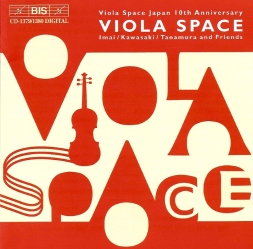
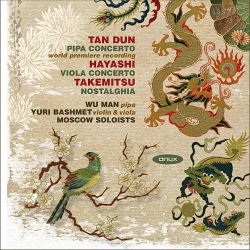
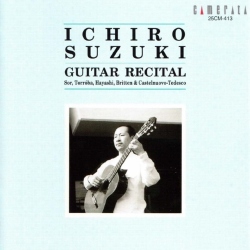
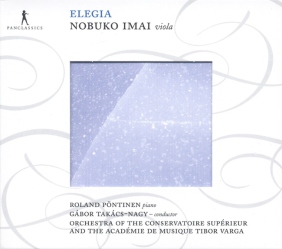
Released Album
Chamber
-
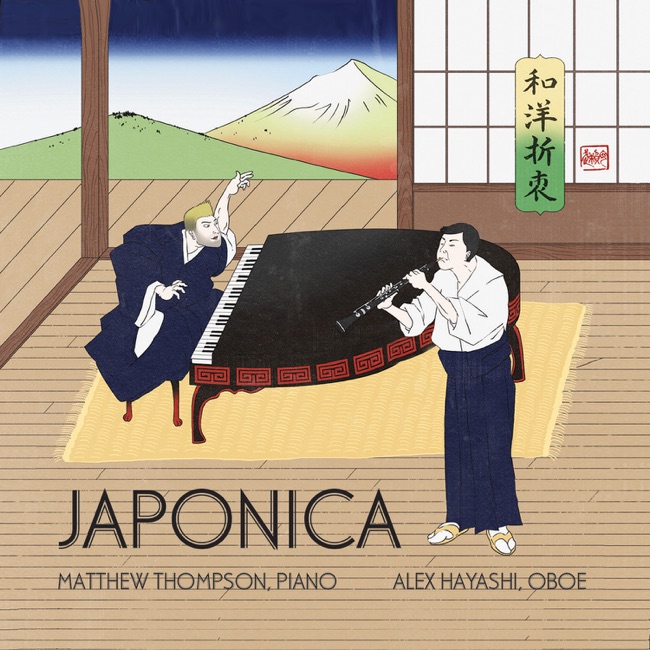 January 8, 2019
 -
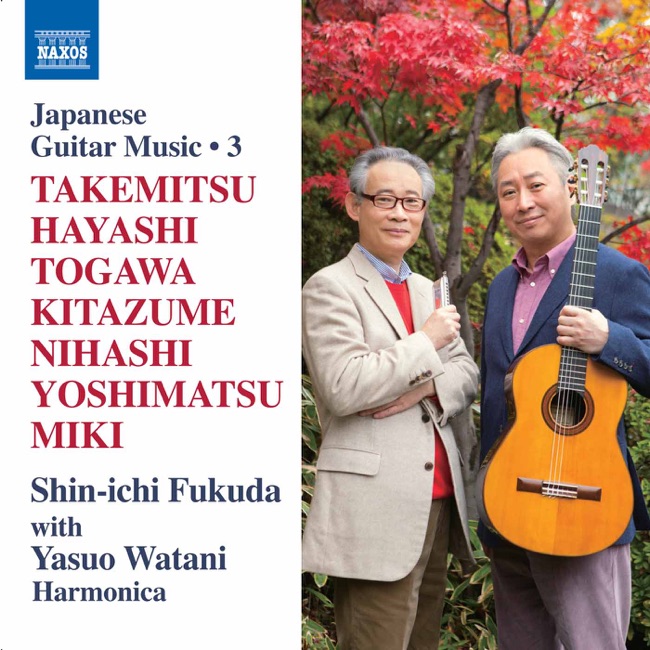 November 11, 2016
 -
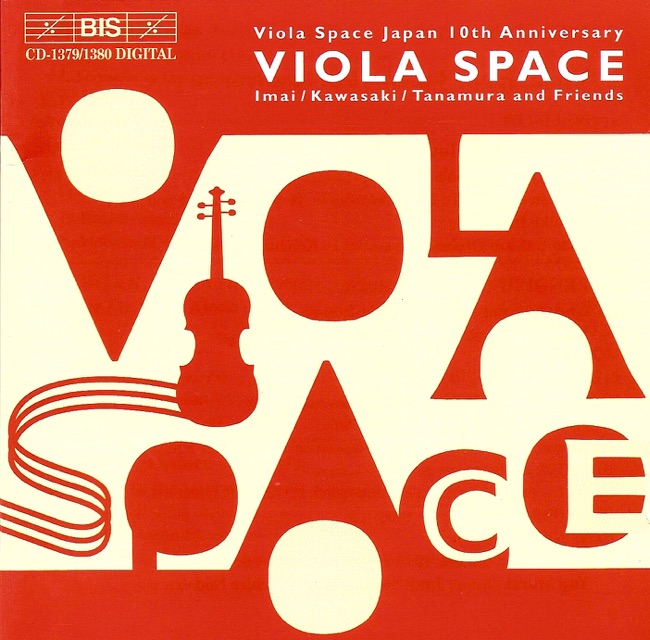 July 29, 2003
 -
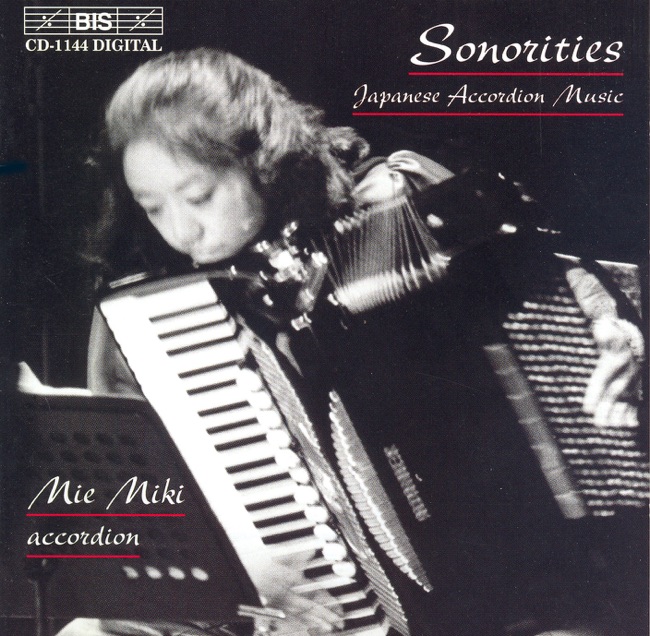 May 29, 2001
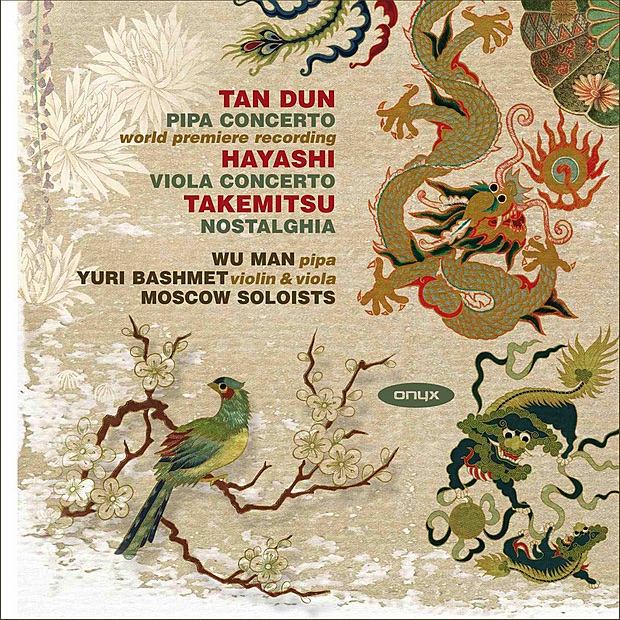
Concerto
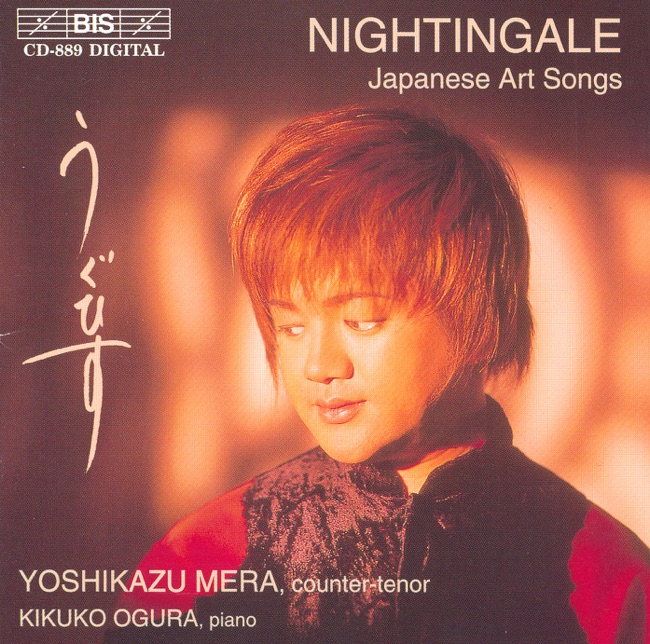
Vocal
-
 August 7, 2000
Artist Info
Role:ComposerBirth:October 22, 1931Genre:ChamberSymphonyVocalHikaru Hayashi was a Japanese composer who was born on July 22, 1931, in Tokyo, Japan. He was the son of a music teacher and grew up in a musical family. His father was a composer and his mother was a pianist. Hayashi began studying music at a young age and showed a natural talent for composition. Hayashi attended the Tokyo National University of Fine Arts and Music, where he studied composition under Tomojiro Ikenouchi. He graduated in 1955 and went on to study in Paris at the École Normale de Musique de Paris under Nadia Boulanger. During his time in Paris, Hayashi was exposed to a wide range of musical styles and began to develop his own unique voice as a composer. Hayashi's early works were heavily influenced by Western classical music, particularly the works of composers such as Bach, Beethoven, and Brahms. However, he also drew inspiration from Japanese traditional music and incorporated elements of this music into his compositions. One of Hayashi's early works, "Symphony No. 1," was premiered in 1958 and received critical acclaim. The symphony was notable for its use of Japanese folk melodies and its incorporation of traditional Japanese instruments, such as the shakuhachi and koto. Throughout the 1960s and 1970s, Hayashi continued to compose works that blended Western classical music with Japanese traditional music. One of his most famous works from this period is "The Tale of Genji," an opera based on the classic Japanese novel of the same name. The opera premiered in 1976 and was a critical and commercial success. In the 1980s, Hayashi began to experiment with new musical styles and techniques. He began incorporating electronic music into his compositions and also began to explore the use of improvisation in his works. One of his most famous works from this period is "Concerto for Piano and Orchestra," which was premiered in 1985. Hayashi continued to compose music until his death in 2012. His later works were characterized by a more minimalist style, with a focus on simple melodies and harmonies. Despite his experimentation with new musical styles, Hayashi never lost sight of his roots in Japanese traditional music and continued to incorporate elements of this music into his compositions throughout his career. Hayashi's contributions to the world of classical music were significant, particularly in his efforts to blend Western classical music with Japanese traditional music. His works continue to be performed and studied by musicians and music lovers around the world, and his legacy as a composer and innovator in the field of classical music is secure.More....
Copyright Ⓒ 2013 Davinci Finger. All rights reseved
Service Terms & Policy