


Kazimierz Serocki
Released Album
Chamber
-
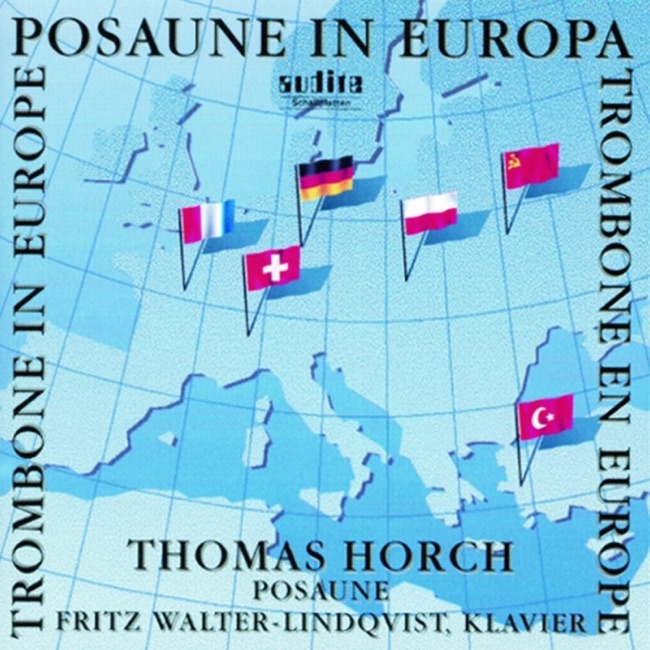 June 27, 2000
 -
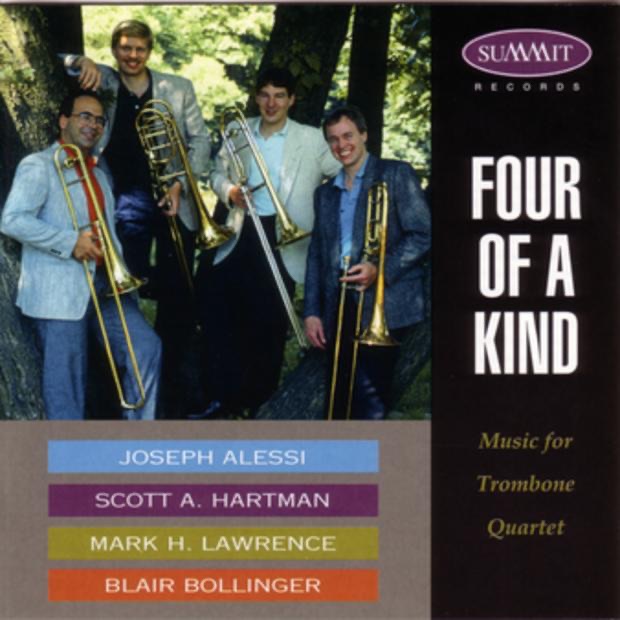 March 1, 1995
 -
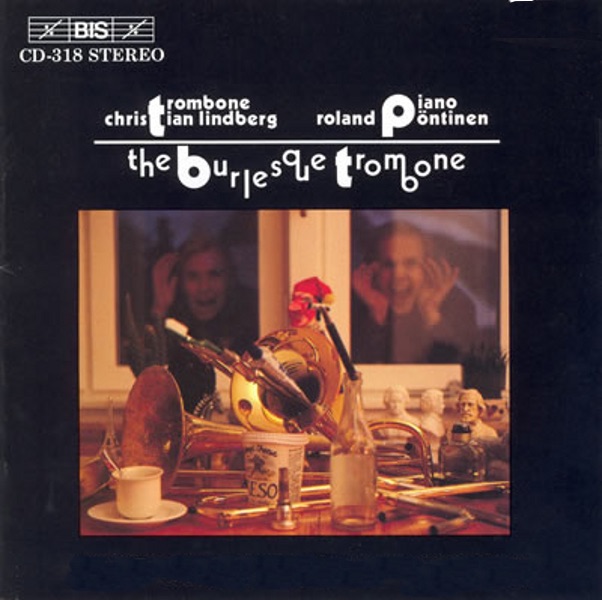 September 22, 1994
Keyboard
-
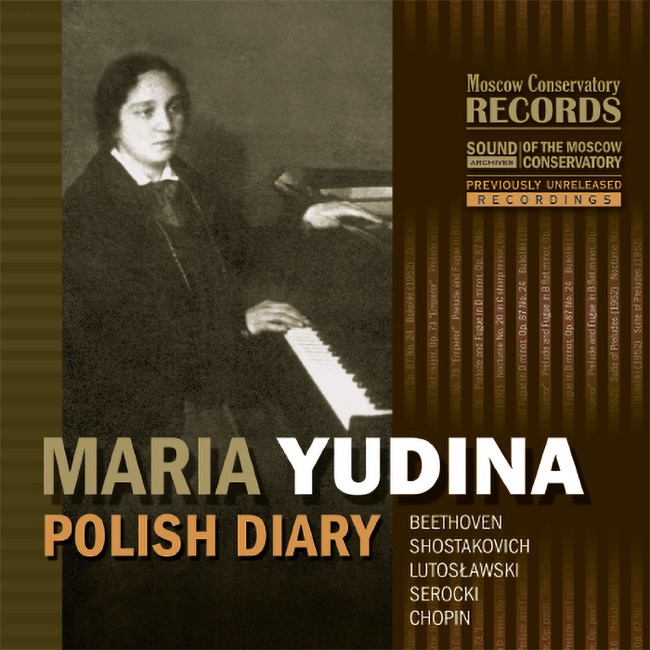 July 23, 2020
 -
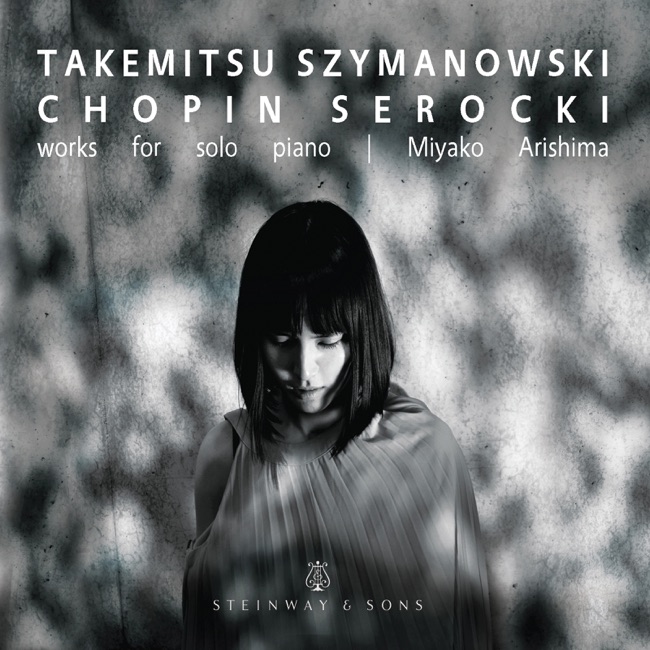 September 6, 2019
Concerto
-
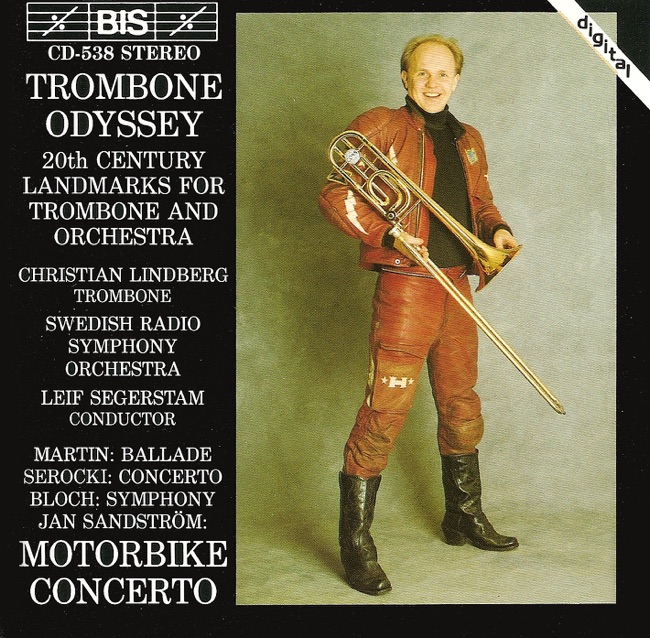 August 26, 2003
Artist Info
Role:ComposerBirth:March 3, 1922Death:January 9, 1981Period:ModernGenre:ChamberConcertoKeyboardKazimierz Serocki was a prominent Polish composer of the 20th century, known for his innovative and experimental approach to classical music. Born on March 3, 1922, in Toruń, Poland, Serocki showed an early interest in music and began studying piano and composition at a young age. Serocki's musical education began at the State Conservatory in Poznań, where he studied under the tutelage of renowned composer and conductor Kazimierz Sikorski. He later continued his studies at the State Higher School of Music in Kraków, where he studied composition with Artur Malawski and piano with Stanisław Szpinalski. Serocki's early works were heavily influenced by the neoclassical style of composers such as Stravinsky and Hindemith, but he soon began to develop his own unique voice. In the 1950s, he became associated with the Polish avant-garde movement, which sought to push the boundaries of traditional classical music. One of Serocki's most notable works from this period is his "Sinfonietta for Two String Orchestras," which was premiered in 1951. The piece features two separate string orchestras playing in different keys and tempos, creating a complex and dissonant sound that was unlike anything heard before in classical music. Serocki continued to experiment with new forms and techniques throughout his career, incorporating elements of jazz, electronic music, and aleatoric (chance-based) composition into his works. He also became known for his use of unconventional instruments, such as the prepared piano and the ondes Martenot. One of Serocki's most famous works is his "Pianophonie," a piece for prepared piano and orchestra that was premiered in 1960. The piece features the pianist playing on a piano that has been modified with various objects, such as screws and rubber bands, to create a unique and percussive sound. The orchestra provides a lush and atmospheric backdrop, creating a haunting and otherworldly effect. Serocki's other notable works include his "Musica concertante" for flute, harp, and string orchestra, his "Fantasia elegiaca" for cello and orchestra, and his "Epitaph" for orchestra and tape. He also composed several film scores, including the music for the 1963 film "The Saragossa Manuscript." In addition to his work as a composer, Serocki was also a respected music educator and administrator. He served as the director of the State Higher School of Music in Kraków from 1968 to 1972 and was a professor of composition at the school until his death in 1981. Serocki's contributions to the world of classical music were recognized both in Poland and internationally. He was awarded numerous prizes and honors, including the State Prize of the First Degree in 1952 and the Order of Polonia Restituta in 1974. His music continues to be performed and studied by musicians and scholars around the world, cementing his legacy as one of the most important and innovative composers of the 20th century.More....
Recent Artist Music
Copyright Ⓒ 2013 Davinci Finger. All rights reseved
Service Terms & Policy