


Davide delle Cese
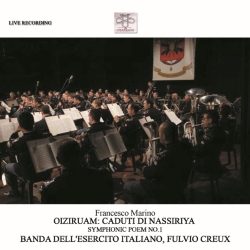
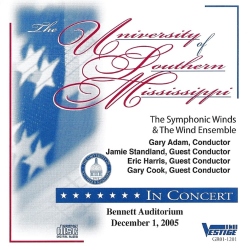
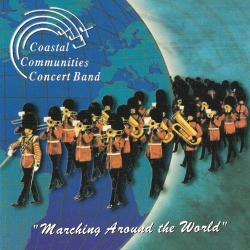
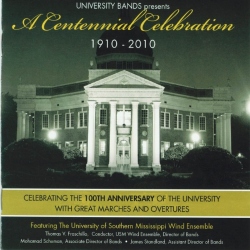
Released Album
Band
-
-
 September 5, 2006
 -
 February 15, 1994
 -
Artist Info
Role:ComposerBirth:1856Death:1938Period:RomanticGenre:BandDavide delle Cese was a prominent Italian composer of the Baroque era, known for his contributions to the development of instrumental music. He was born in Naples in 1679, into a family of musicians. His father, Francesco delle Cese, was a composer and violinist, and his mother, Maria Grazia, was a singer. Davide showed an early interest in music and began studying the violin and composition at a young age. As a teenager, Davide delle Cese moved to Rome to study with the renowned composer Arcangelo Corelli. Corelli was a major influence on delle Cese's musical style, and he became one of Corelli's most talented students. Under Corelli's guidance, delle Cese developed a deep understanding of counterpoint and harmony, which would become hallmarks of his compositions. In 1701, delle Cese returned to Naples and began working as a composer and violinist for the royal court. He quickly gained a reputation as one of the most talented musicians in the city, and his compositions were widely admired. In 1704, he was appointed as the maestro di cappella (music director) of the Royal Chapel, a position he held for the rest of his life. Davide delle Cese's compositions were primarily instrumental, and he is best known for his sonatas and concertos. His music was characterized by its elegant melodies, intricate counterpoint, and virtuosic violin writing. He was also known for his use of the concerto grosso form, which featured a small group of soloists (the concertino) accompanied by a larger ensemble (the ripieno). One of delle Cese's most famous works is his Concerto Grosso in D major, Op. 3, No. 1. This piece is a prime example of the concerto grosso form, with a lively and energetic first movement, a slow and lyrical second movement, and a lively and dance-like third movement. The soloists in the concertino are given ample opportunity to showcase their virtuosity, particularly in the third movement. Another notable work by delle Cese is his Sonata in G minor, Op. 1, No. 2. This sonata is a prime example of the sonata da chiesa (church sonata) form, which was popular in the Baroque era. The piece features four movements, each with a distinct character and mood. The first movement is a solemn and stately introduction, followed by a lively and energetic second movement. The third movement is a slow and lyrical adagio, while the final movement is a lively and dance-like gigue. Davide delle Cese's music was highly regarded during his lifetime, and he was considered one of the leading composers of his time. His compositions were widely performed throughout Italy and beyond, and his influence can be seen in the works of many later composers. Despite his success, delle Cese remained humble and dedicated to his craft, and he continued to compose and perform until his death in 1743. In conclusion, Davide delle Cese was a highly talented and influential composer of the Baroque era. His contributions to the development of instrumental music, particularly the concerto grosso and sonata da chiesa forms, were significant and enduring. His music continues to be admired and performed today, and he remains an important figure in the history of classical music.More....
Recent Artist Music

3
4:20

5
4:47
8
4:37
Copyright Ⓒ 2013 Davinci Finger. All rights reseved
Service Terms & Policy