


Joseph Kasinskas
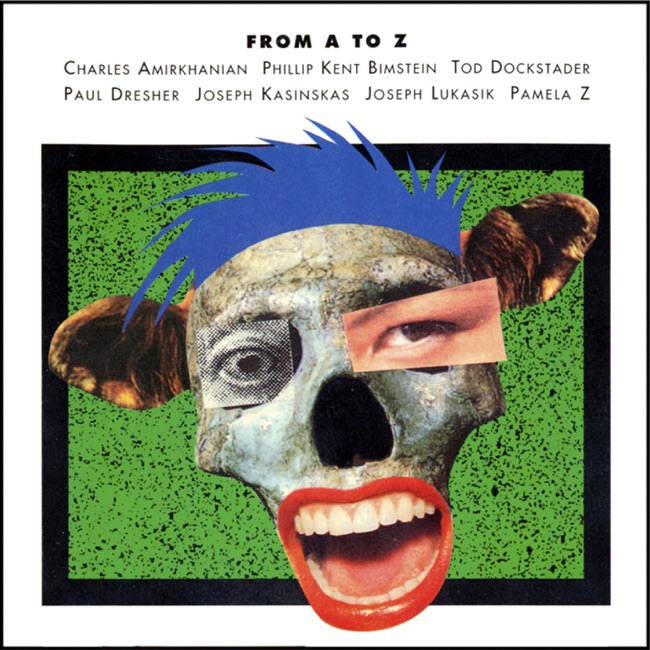
Artist Info
Role:ComposerBirth:1946Joseph Kasinskas was a Lithuanian-American composer who was born on May 1, 1922, in Kaunas, Lithuania. He was the youngest of four children and grew up in a family that was deeply involved in music. His father was a violinist and his mother was a pianist, and they both encouraged their children to pursue music. Kasinskas began his musical education at a young age, studying piano and violin with his parents. He showed a natural talent for music and quickly progressed in his studies. When he was 12 years old, he began studying composition with the Lithuanian composer Juozas Gruodis. In 1940, Kasinskas and his family fled Lithuania to escape the Soviet occupation. They settled in Germany, where Kasinskas continued his musical studies at the Hochschule für Musik in Berlin. He studied composition with Boris Blacher and conducting with Fritz Zaun. During World War II, Kasinskas served in the German army as a musician. He played violin in the army orchestra and also composed music for propaganda films. After the war, he was held as a prisoner of war by the British for several months before being released. In 1947, Kasinskas emigrated to the United States and settled in New York City. He continued his musical studies at the Juilliard School, where he studied composition with Bernard Wagenaar and conducting with Edgar Varèse. Kasinskas began his career as a composer in the 1950s, and his music was quickly recognized for its originality and complexity. His early works were influenced by the serialism of Arnold Schoenberg and Anton Webern, but he soon developed his own unique style. One of Kasinskas's most notable works is his Symphony No. 1, which he composed in 1955. The symphony is a complex and challenging work that showcases Kasinskas's mastery of orchestration and his ability to create intricate musical structures. The symphony was premiered by the New York Philharmonic under the direction of Leonard Bernstein, and it received critical acclaim. Kasinskas continued to compose throughout the 1960s and 1970s, and his music became increasingly experimental and avant-garde. He was particularly interested in electronic music and incorporated electronic sounds into many of his compositions. One of Kasinskas's most innovative works is his Electronic Symphony, which he composed in 1972. The piece is scored for a large orchestra and electronic instruments, and it combines traditional orchestral sounds with electronic sounds and effects. The Electronic Symphony was premiered by the New York Philharmonic under the direction of Pierre Boulez, and it was hailed as a groundbreaking work. Kasinskas's later works were more introspective and reflective, and he often drew inspiration from his Lithuanian heritage. One of his most personal works is his String Quartet No. 3, which he composed in 1982. The quartet is a deeply emotional work that reflects Kasinskas's feelings about his homeland and his experiences as an immigrant. Kasinskas continued to compose until his death in 1997. His music remains an important part of the contemporary classical repertoire, and his innovative approach to composition continues to inspire new generations of composers.More....
Copyright Ⓒ 2013 Davinci Finger. All rights reseved
Service Terms & Policy