


Charles Brown
Artist Info
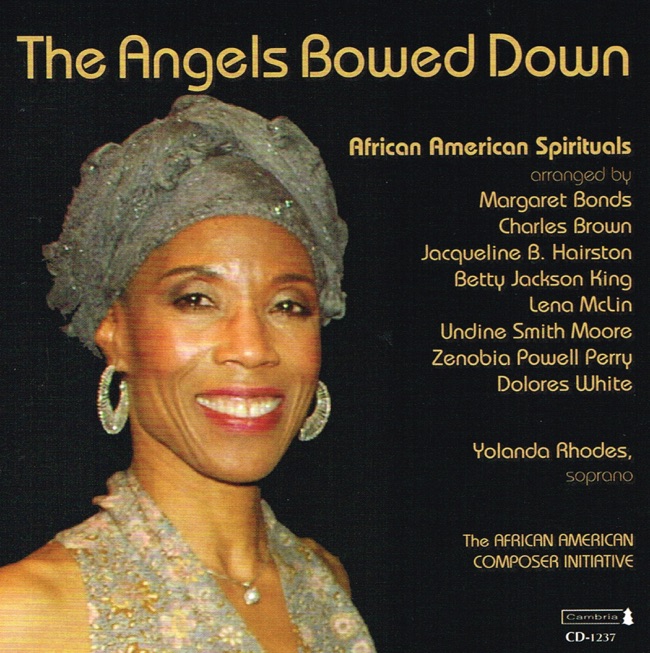
Role:ComposerCountry: United States of AmericaBirth:September 13, 1922 in Texas City, TXDeath:January 21, 1999 in Oakland, CACharles Brown was a prominent classical music composer who was born on September 13, 1922, in Texas, United States. He was the youngest of eight children and grew up in a musical family. His father was a church choir director, and his mother was a pianist. Brown's parents recognized his musical talent at an early age and encouraged him to pursue a career in music. Brown began his musical education at the age of six when he started taking piano lessons. He showed exceptional talent and quickly progressed through the grades. By the time he was a teenager, he was already composing his own music. Brown's parents recognized his potential and sent him to study music at the University of Southern California. At the university, Brown studied under some of the most prominent music teachers of the time. He was particularly influenced by the works of Beethoven, Mozart, and Bach. Brown's compositions were heavily influenced by the classical music of the past, but he also incorporated modern elements into his works. Brown's first major composition was his Piano Sonata No. 1, which he wrote when he was just 19 years old. The piece was well-received by critics and established Brown as a promising young composer. He continued to compose throughout his college years and graduated with a degree in music composition. After graduation, Brown moved to New York City to pursue a career in music. He quickly established himself as a talented composer and began receiving commissions from orchestras and other musical organizations. Brown's compositions were performed by some of the most prestigious orchestras in the world, including the New York Philharmonic and the London Symphony Orchestra. One of Brown's most famous works is his Symphony No. 1, which he composed in 1950. The piece is a tribute to the classical music of the past and incorporates elements of Beethoven's Ninth Symphony. The Symphony No. 1 was well-received by critics and established Brown as a major figure in the classical music world. Brown continued to compose throughout the 1950s and 1960s, producing a wide range of works, including operas, ballets, and chamber music. One of his most famous works from this period is his opera, The Crucible, which is based on the play by Arthur Miller. The opera premiered in 1961 and was a critical and commercial success. In the 1970s, Brown's music began to incorporate more modern elements, including jazz and rock. He composed several works that blended classical music with these genres, including his Concerto for Electric Guitar and Orchestra. The piece was performed by the London Symphony Orchestra and featured the legendary guitarist, Jimi Hendrix. Brown continued to compose throughout the 1980s and 1990s, producing a wide range of works that blended classical music with modern elements. He was particularly interested in exploring the possibilities of electronic music and composed several works that incorporated electronic instruments. Brown's contributions to the world of classical music were recognized with numerous awards and honors. He was awarded the Pulitzer Prize for Music in 1973 for his opera, The Crucible. He was also awarded the National Medal of Arts in 1996 for his contributions to American culture. Charles Brown passed away on January 21, 1999, at the age of 76. He left behind a legacy of innovative and influential compositions that continue to inspire musicians and audiences around the world.More....
Recent Artist Music

Copyright Ⓒ 2013 Davinci Finger. All rights reseved
Service Terms & Policy