


Marcel Bitsch
Released Album
Chamber
-
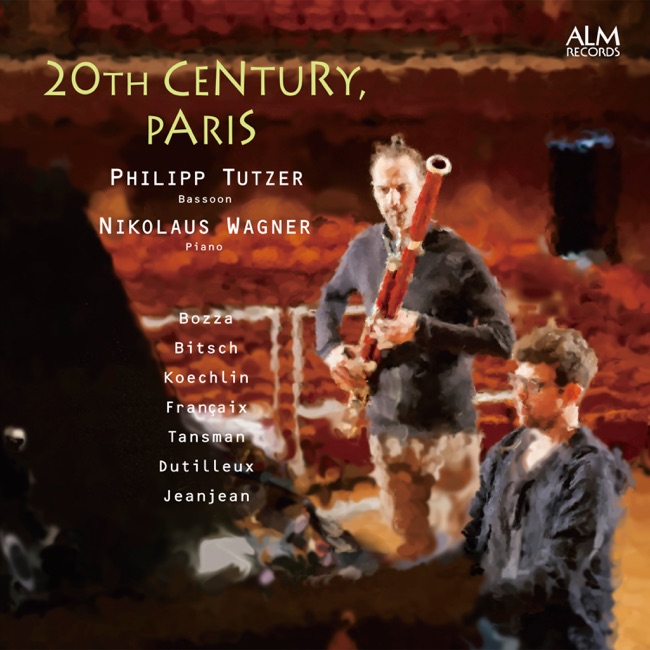 April 7, 2024
 -
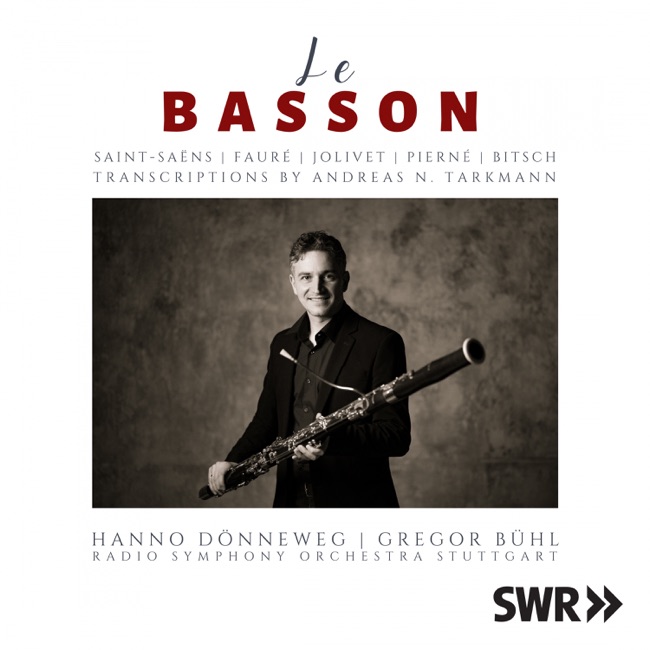 June 24, 2023
 -
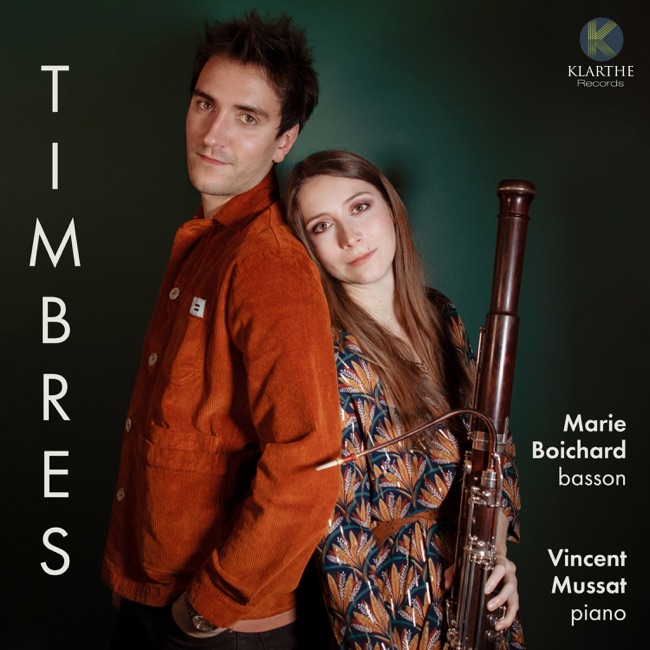 June 2, 2023
 -
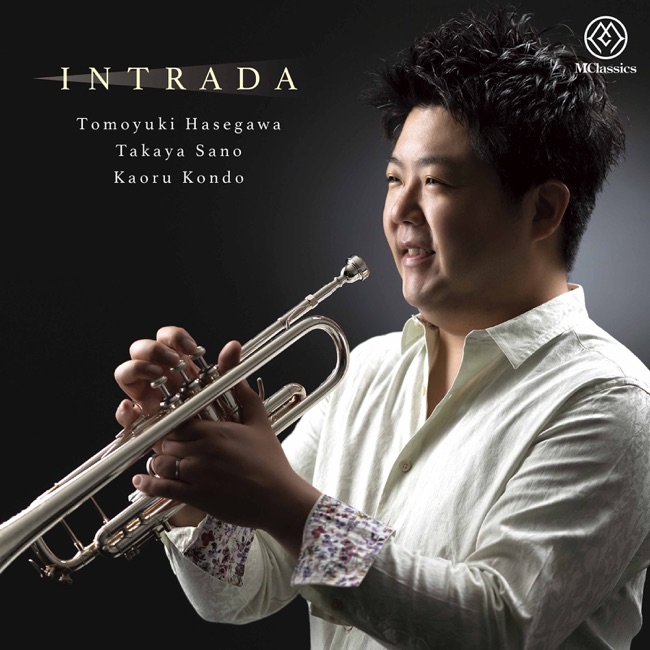 November 19, 2021
 -
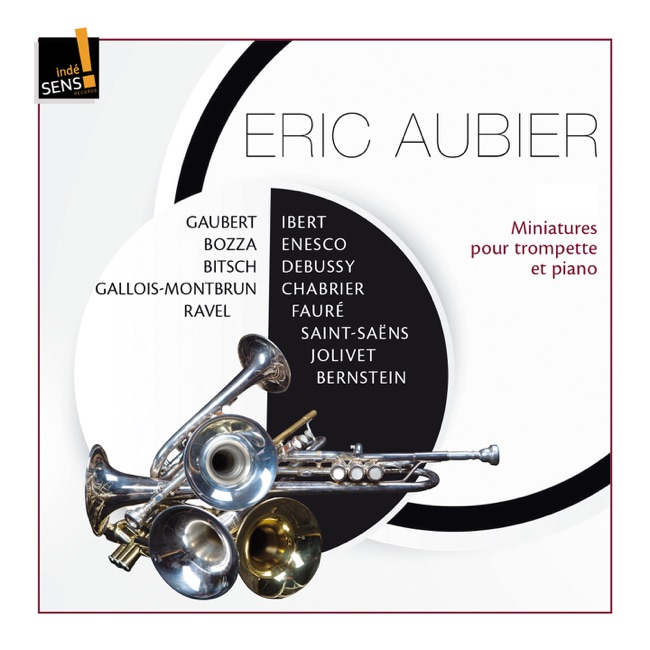 October 20, 2017
 -
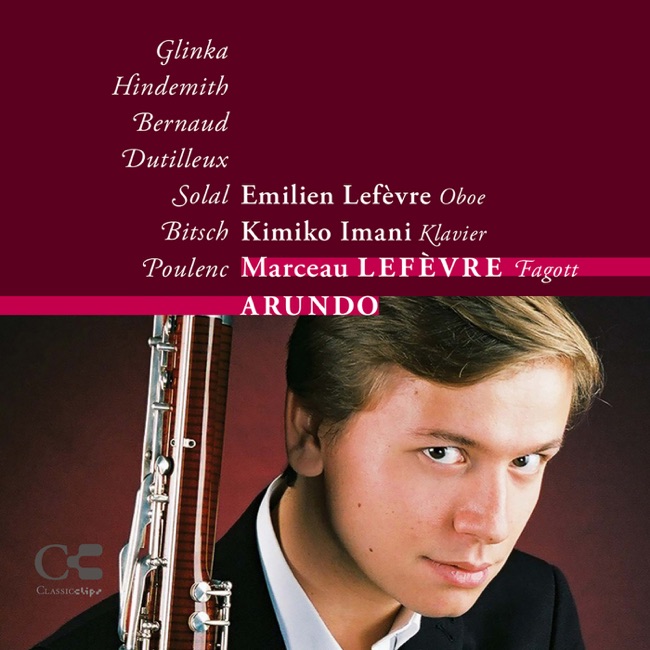 March 31, 2015
Keyboard
-
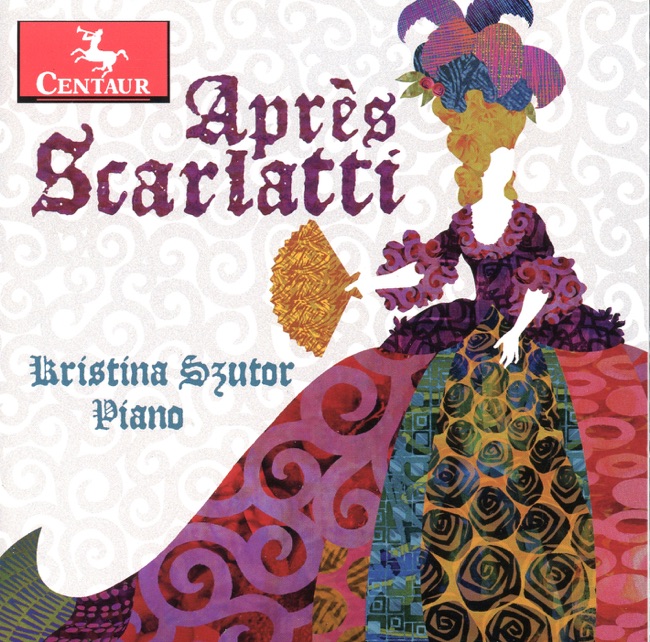 September 1, 2011
Artist Info
Role:ComposerBirth:1921Death:September 21, 2011Period:ModernGenre:ChamberMarcel Bitsch was a French composer and conductor who was born on July 9, 1921, in Paris, France. He was the son of a music teacher and grew up in a musical family. His father, Henri Bitsch, was a composer and conductor, and his mother, Jeanne Bitsch, was a pianist. Marcel Bitsch began his musical education at a young age, studying piano, harmony, and counterpoint with his father. In 1939, Marcel Bitsch entered the Paris Conservatory, where he studied composition with Henri Busser and harmony with Jean Gallon. He also studied conducting with Charles Munch and Pierre Monteux. During his time at the conservatory, he won several prizes for his compositions, including the Prix de Rome in 1952 for his cantata "Le Livre de Job." After completing his studies at the conservatory, Marcel Bitsch began his career as a composer and conductor. He conducted several orchestras in France, including the Orchestre National de France and the Orchestre de la Société des Concerts du Conservatoire. He also taught composition and orchestration at the Paris Conservatory from 1966 to 1986. Marcel Bitsch's compositions are characterized by their clarity, elegance, and refinement. He was influenced by the music of Bach, Mozart, and Ravel, and his works often feature intricate counterpoint and rich harmonies. He wrote music in a variety of genres, including orchestral works, chamber music, vocal music, and music for solo instruments. One of Marcel Bitsch's most famous works is his Concertino for trumpet, which was written in 1952. The piece is a virtuosic showcase for the trumpet, featuring fast runs, intricate rhythms, and soaring melodies. It has become a staple of the trumpet repertoire and is often performed in competitions and recitals. Another notable work by Marcel Bitsch is his Suite for flute and piano, which was written in 1952. The piece is a set of five short movements, each with a different character and mood. The first movement is a lively dance, while the second is a lyrical ballad. The third movement is a playful scherzo, while the fourth is a slow and expressive aria. The final movement is a lively and energetic tarantella. Marcel Bitsch also wrote several works for orchestra, including his Symphony No. 2, which was written in 1962. The piece is a large-scale work in four movements, each with a different character and mood. The first movement is a lively and energetic allegro, while the second is a slow and expressive adagio. The third movement is a playful scherzo, while the fourth is a lively and energetic finale. In addition to his compositions, Marcel Bitsch was also known for his arrangements and transcriptions of other composers' works. He arranged several works by Bach for various instrumental combinations, including his "Choral Prelude" for organ, which he arranged for brass quintet. He also transcribed several works by Ravel for orchestra, including his "Pavane pour une infante défunte." Marcel Bitsch continued to compose and conduct throughout his life, and his music remains popular and widely performed today. He died on July 21, 2011, in Paris, France, at the age of 90. His legacy as a composer and conductor continues to inspire and influence musicians around the world.More....
Recent Artist Music
5
7:3
6
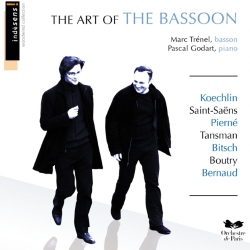
7:10
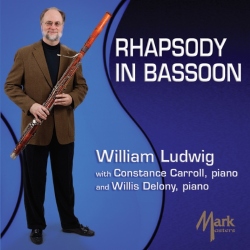
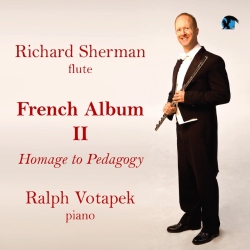
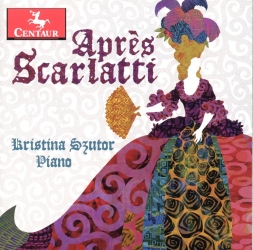
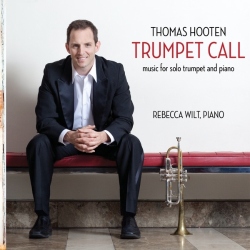
11
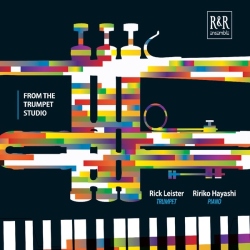
Variation on a Theme by Domenico Scarlatti for trumpet & piano
Quatre Variations sur un Theme de Domenico Scarlatti
7:26
Copyright Ⓒ 2013 Davinci Finger. All rights reseved
Service Terms & Policy