


Ernest Schelling
Released Album
Miscellaneous
-
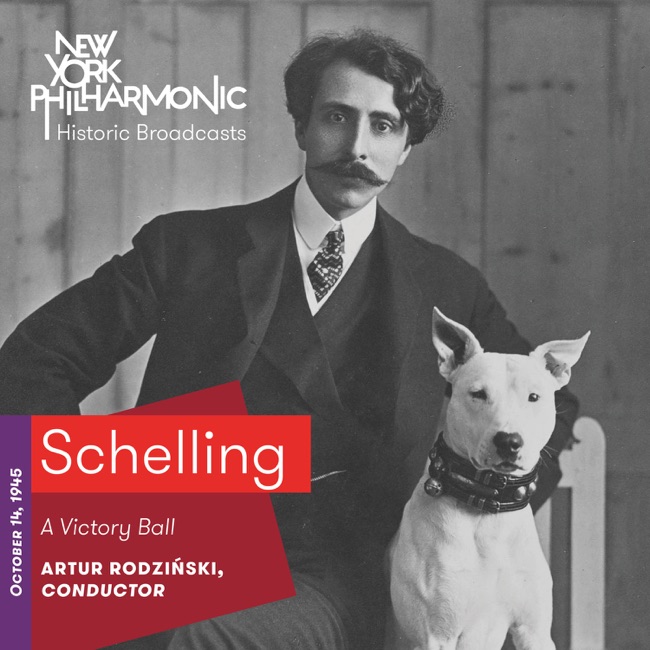
-
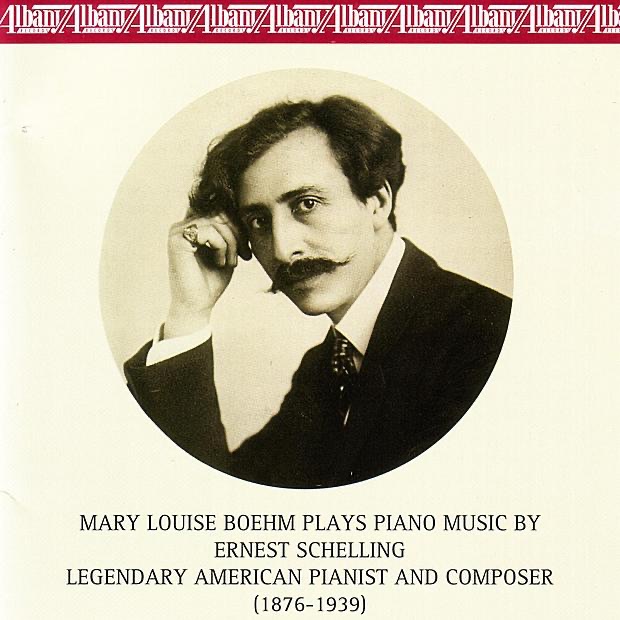 July 9, 1996
Keyboard
-
 October 31, 2011
Concerto
-
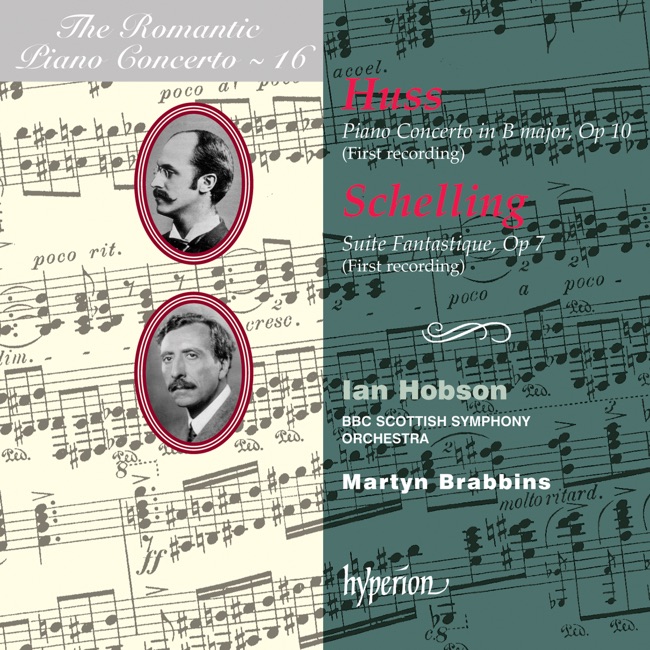 September 9, 1997
Artist Info
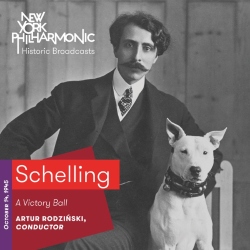
Role:ComposerBirth:July 26, 1876Death:December 8, 1939Ernest Schelling was an American composer, pianist, and conductor who was born on July 26, 1876, in Belvidere, New Jersey. He was the son of a music teacher and began his musical education at a young age. Schelling showed great promise as a pianist and composer, and his parents encouraged him to pursue a career in music. Schelling's early musical education was primarily focused on the piano. He studied with several prominent teachers, including Rafael Joseffy and Ferruccio Busoni. Schelling's talent as a pianist was evident from a young age, and he made his debut as a soloist with the New York Philharmonic at the age of 16. In addition to his piano studies, Schelling also began to compose music. His early works were primarily for the piano, but he soon began to write orchestral music as well. Schelling's compositions were influenced by the Romantic composers of the 19th century, particularly Franz Liszt and Richard Wagner. Schelling's career as a composer and pianist continued to flourish throughout his early adulthood. He performed as a soloist with many of the leading orchestras in the United States and Europe, and his compositions were well-received by audiences and critics alike. One of Schelling's most notable compositions is his Piano Concerto No. 2, which he composed in 1900. The concerto is a virtuosic showcase for the soloist, with sweeping melodies and intricate piano passages. The work was premiered by Schelling himself, with the New York Philharmonic under the direction of Walter Damrosch. In addition to his work as a composer and pianist, Schelling also began to conduct orchestras. He was appointed the conductor of the Boston Symphony Orchestra in 1918, and he held that position for two years. Schelling was known for his dynamic and expressive conducting style, and he was highly regarded by both musicians and audiences. Schelling's career continued to evolve throughout the 1920s and 1930s. He composed a number of works for orchestra, including his Symphony No. 2, which was premiered by the Philadelphia Orchestra in 1927. Schelling also continued to perform as a pianist and conductor, and he was a frequent guest conductor with many of the leading orchestras in the United States and Europe. One of Schelling's most significant contributions to the world of music was his work as a champion of American composers. He was a strong advocate for the music of his contemporaries, and he worked tirelessly to promote their work. Schelling was particularly interested in promoting the music of African American composers, and he was instrumental in bringing the music of William Grant Still and other African American composers to a wider audience. Schelling's career continued to thrive throughout the 1940s and 1950s. He composed a number of works for orchestra, including his Symphony No. 3, which was premiered by the New York Philharmonic in 1941. Schelling also continued to perform as a pianist and conductor, and he was a frequent guest conductor with many of the leading orchestras in the United States and Europe. Schelling's legacy as a composer, pianist, and conductor is significant. He was a highly respected musician who made important contributions to the world of classical music. His compositions are still performed today, and his work as a champion of American composers helped to pave the way for future generations of musicians. Ernest Schelling died on December 8, 1939, in New York City. He was 63 years old.More....
Recent Artist Music
Copyright Ⓒ 2013 Davinci Finger. All rights reseved
Service Terms & Policy