


William Seymer
Released Album
Miscellaneous
-
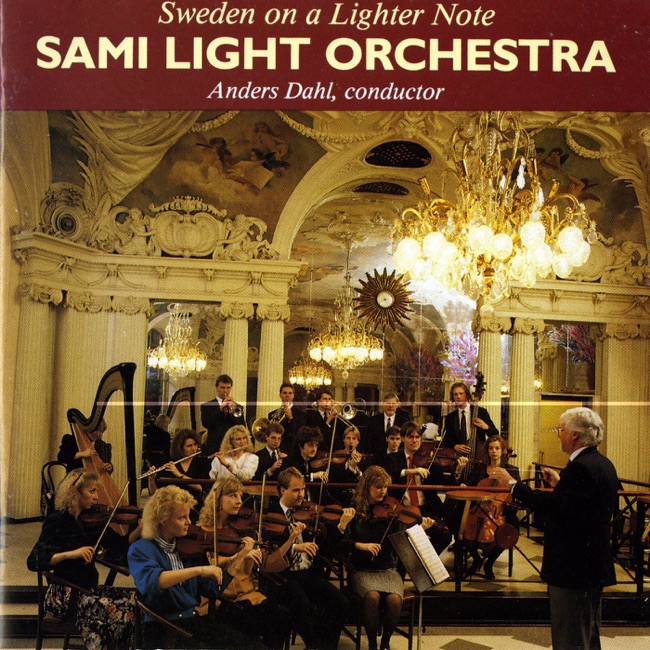 May 1, 2011
Chamber
-
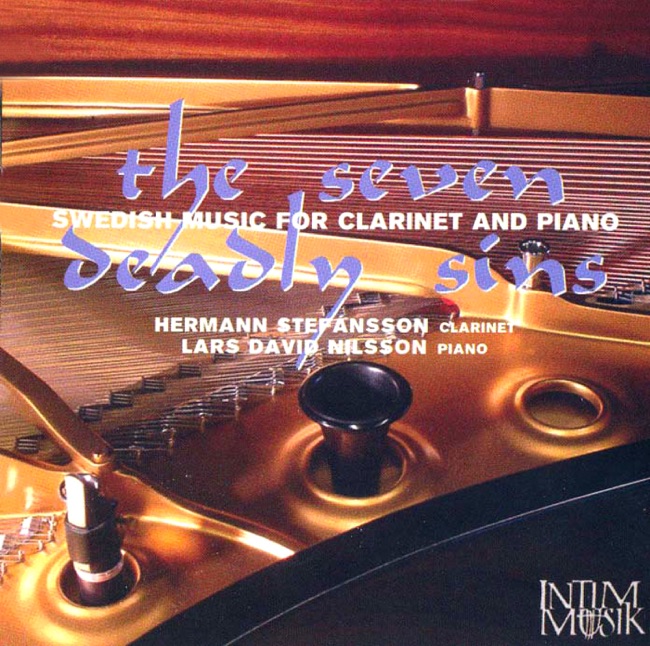 April 29, 2003
Artist Info
Role:ComposerBirth:1890Death:1964Genre:ChamberKeyboardWilliam Seymer was a British composer who lived from 1906 to 1985. He was born in London and grew up in a family of musicians. His father was a violinist and his mother was a pianist, so it was natural for him to be exposed to music from a young age. Seymer began playing the piano at the age of four and showed a natural talent for music. Seymer attended the Royal Academy of Music in London, where he studied composition with Ralph Vaughan Williams and piano with Harold Craxton. He also studied with Nadia Boulanger in Paris, who was a renowned teacher of composition. Seymer was deeply influenced by the music of Bach, Mozart, and Beethoven, as well as by the French Impressionists. Seymer's early works were influenced by the neoclassical style, which was popular in the 1920s and 1930s. His first major work was a piano concerto, which he composed when he was only 19 years old. The concerto was well-received and helped establish Seymer as a promising young composer. In the 1940s, Seymer's style began to evolve. He became interested in the music of the Baroque period and began incorporating elements of Baroque music into his compositions. He also began experimenting with serialism, which was a new technique in which the composer used a series of notes to create a musical theme. One of Seymer's most famous works is his Symphony No. 1, which he composed in 1947. The symphony is a four-movement work that is heavily influenced by the Baroque period. The first movement is a fugue, which is a complex musical form that was popular in the Baroque period. The second movement is a slow and lyrical adagio, while the third movement is a lively scherzo. The final movement is a grand and majestic finale that brings the symphony to a thrilling conclusion. Seymer's other notable works include his Piano Sonata No. 2, which he composed in 1952. The sonata is a three-movement work that is characterized by its virtuosic piano writing and its use of serialism. Seymer also composed several chamber works, including a string quartet and a piano trio. In addition to his work as a composer, Seymer was also a respected music educator. He taught at the Royal Academy of Music for many years and was known for his dedication to his students. Many of his students went on to become successful musicians and composers in their own right. Seymer's music was well-received during his lifetime, but it has not received as much attention in recent years. However, his contributions to the world of classical music are significant and his works continue to be performed by musicians around the world. Seymer's legacy as a composer and educator is an important part of the history of classical music in Britain.More....
Recent Artist Music


Copyright Ⓒ 2013 Davinci Finger. All rights reseved
Service Terms & Policy