


Juan Antonio de Vargas y Guzmán
Released Album
Chamber
-
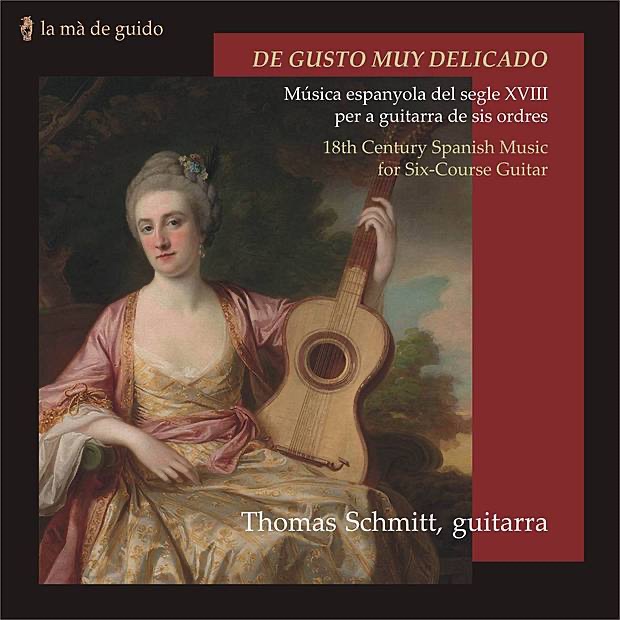 November 12, 2012
 -
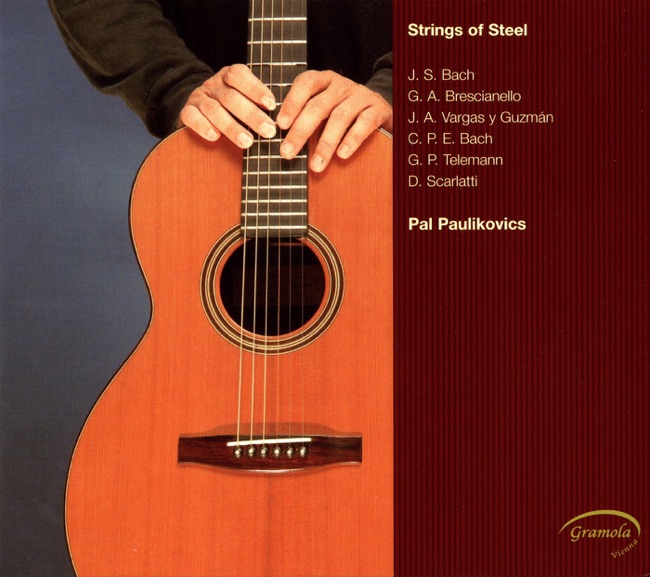 September 1, 2009
Artist Info
Role:ComposerCountry: PortugalBirth:ca. 1700Juan Antonio de Vargas y Guzmán was a Spanish composer of the Baroque era, born in Seville in 1672. He was the son of a wealthy merchant and was raised in a family that valued education and the arts. From a young age, Vargas showed a talent for music and was encouraged to pursue it as a career. Vargas received his early musical training from his father, who was a skilled amateur musician. He also studied with local musicians in Seville and was eventually sent to study in Rome, where he spent several years studying under some of the most prominent composers of the time. Upon his return to Spain, Vargas quickly established himself as a leading composer and musician. He was appointed as the maestro de capilla (music director) at the Cathedral of Seville, a position he held for over 30 years. During this time, he composed a large number of works for the cathedral, including masses, motets, and other sacred music. Vargas was known for his skillful use of counterpoint and his ability to create complex and intricate musical textures. His music was highly regarded by his contemporaries and was widely performed throughout Spain and other parts of Europe. One of Vargas' most famous works is his Missa Scala Aretina, a mass that was composed in honor of the Virgin Mary. The mass is notable for its use of a unique tuning system known as the "Scala Aretina," which was based on the mathematical principles of Pythagoras. The mass was widely performed during Vargas' lifetime and remains a popular work among modern performers. In addition to his work at the Cathedral of Seville, Vargas also composed music for other churches and institutions throughout Spain. He was particularly well-known for his secular music, including his zarzuelas (Spanish operettas) and other theatrical works. Vargas' music was highly influential in the development of Spanish Baroque music, and his works continue to be studied and performed by musicians and scholars today. He died in Seville in 1744, leaving behind a legacy of beautiful and innovative music that continues to inspire and delight audiences around the world.More....
Recent Artist Music
2
Sonata for guitar No. 1 in A major (Explanation for playing the guitar, Vera Cruz)
Sonata No. 1 Allegro (La mayor) (Explicación para tocar la guitarra, Vera Cruz)
4:57
4
2:45



Copyright Ⓒ 2013 Davinci Finger. All rights reseved
Service Terms & Policy