


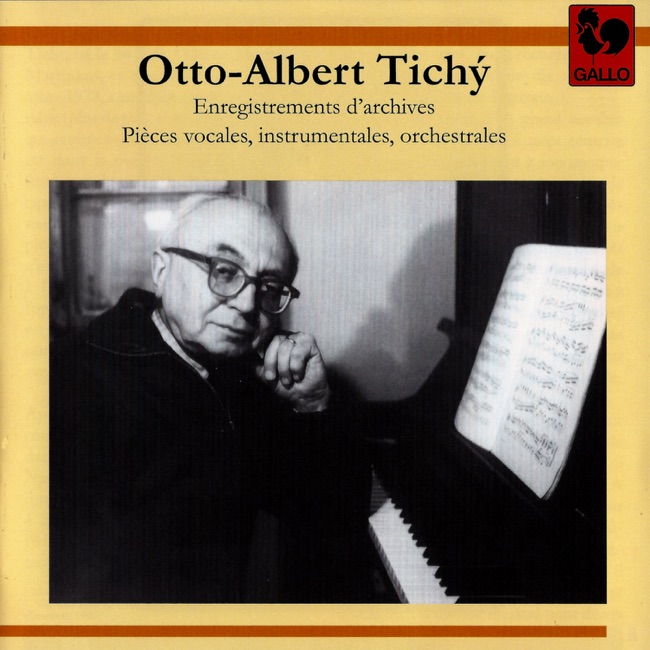
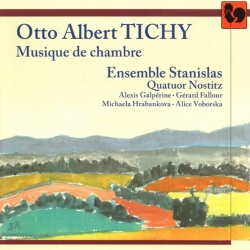
Otto-Albert Tichy
Released Album
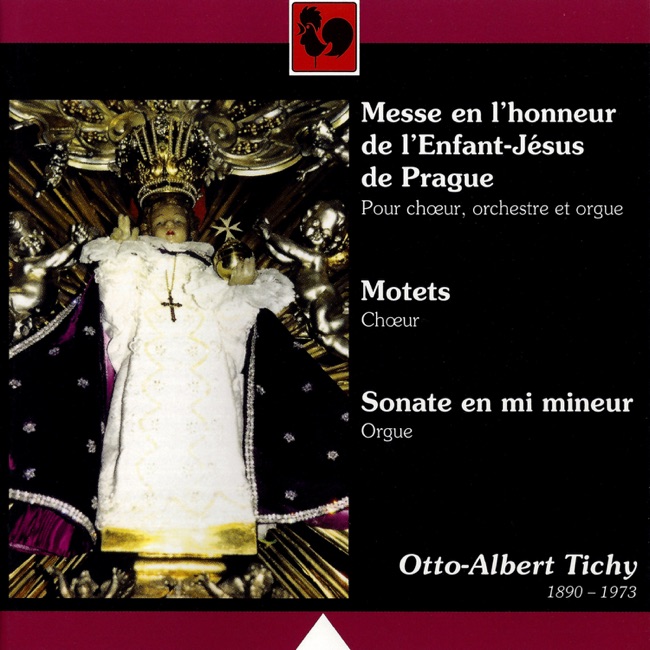
Choral
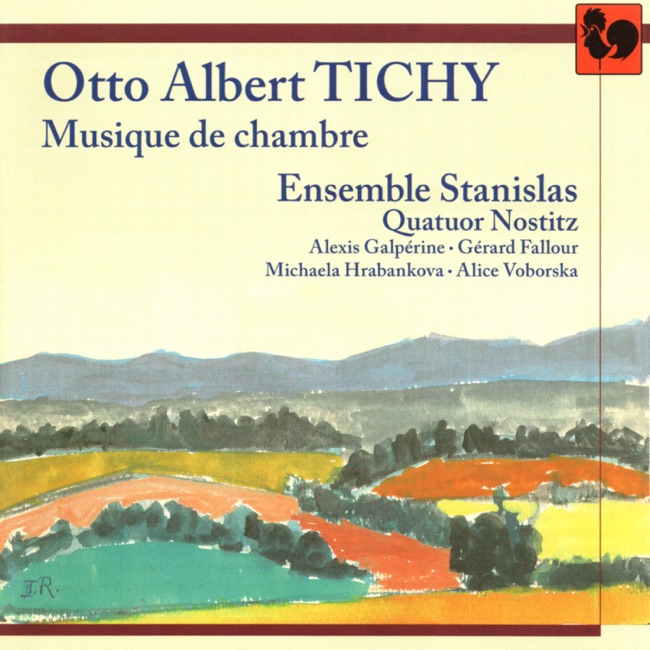
Chamber
-
-
 May 6, 2008
Artist Info
Role:Composer ConductorCountry: Czech RepublicBirth:August 14, 1890 in Martínkov, MoraviaDeath:October 21, 1973 in Prague, Czech RepublicGenre:ChoralOtto-Albert Tichy was a classical music composer born on August 28, 1902, in Vienna, Austria. He was the son of a music teacher and grew up in a musical family. Tichy showed an early interest in music and began playing the piano at a young age. He later studied composition at the Vienna Academy of Music with Franz Schmidt, one of the leading composers of the time. Tichy's early works were heavily influenced by the Viennese classical tradition, particularly the music of Mozart and Haydn. He also drew inspiration from the works of Beethoven and Brahms. Tichy's compositions were characterized by their lyrical melodies, rich harmonies, and intricate counterpoint. In 1925, Tichy's String Quartet No. 1 was premiered in Vienna to critical acclaim. The piece showcased Tichy's skill as a composer and established him as a rising star in the Viennese music scene. Over the next few years, Tichy continued to compose chamber music, including several more string quartets and a piano trio. In 1930, Tichy was appointed as a professor of composition at the Vienna Academy of Music, where he taught for over 20 years. During this time, he continued to compose and his works began to gain international recognition. In 1937, his Symphony No. 1 was premiered in Berlin, conducted by Wilhelm Furtwängler. The piece was well-received and established Tichy as a major figure in the European classical music scene. Tichy's music was heavily influenced by the political and social upheavals of the time. He was deeply affected by the rise of fascism in Europe and the persecution of Jews and other minorities. In 1938, Tichy was forced to flee Austria after the Anschluss, the annexation of Austria by Nazi Germany. He settled in the United States, where he continued to compose and teach. Tichy's music from this period reflects his experiences as a refugee and his concern for the plight of those affected by war and oppression. His Symphony No. 2, composed in 1942, is a powerful and emotional work that reflects the turmoil of the time. The piece features a hauntingly beautiful adagio that has become one of Tichy's most famous compositions. In addition to his symphonies and chamber music, Tichy also composed several operas. His most famous opera, The Trial of Lucullus, was premiered in 1949 and is based on a play by Bertolt Brecht. The opera is a powerful indictment of war and imperialism and features some of Tichy's most innovative and experimental music. Tichy continued to compose and teach until his death in 1973. His music has been performed and recorded by some of the world's leading orchestras and chamber ensembles. His legacy as a composer and teacher continues to inspire new generations of musicians and composers. In conclusion, Otto-Albert Tichy was a highly influential composer of the 20th century. His music was characterized by its lyrical melodies, rich harmonies, and intricate counterpoint. Tichy's works were heavily influenced by the political and social upheavals of the time, and his music reflects his concern for the plight of those affected by war and oppression. Tichy's legacy as a composer and teacher continues to inspire new generations of musicians and composers.More....

Copyright Ⓒ 2013 Davinci Finger. All rights reseved
Service Terms & Policy