


Alfred Hill
Released Album
Chamber
-
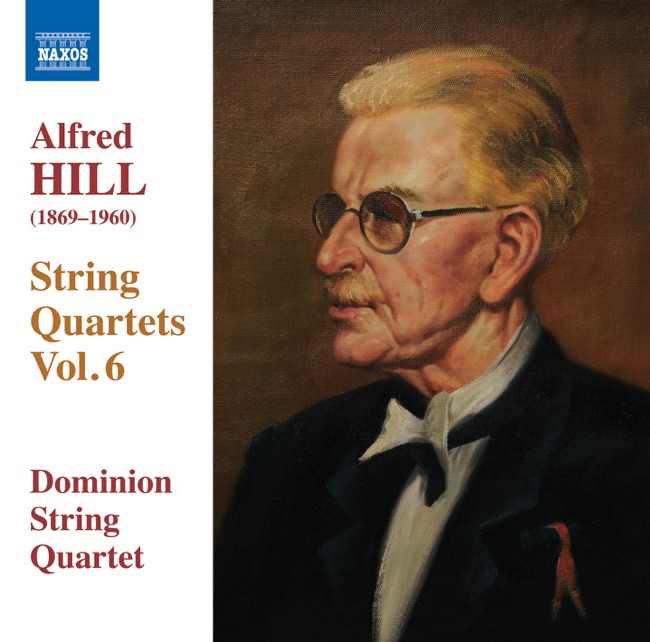 November 13, 2015
 -
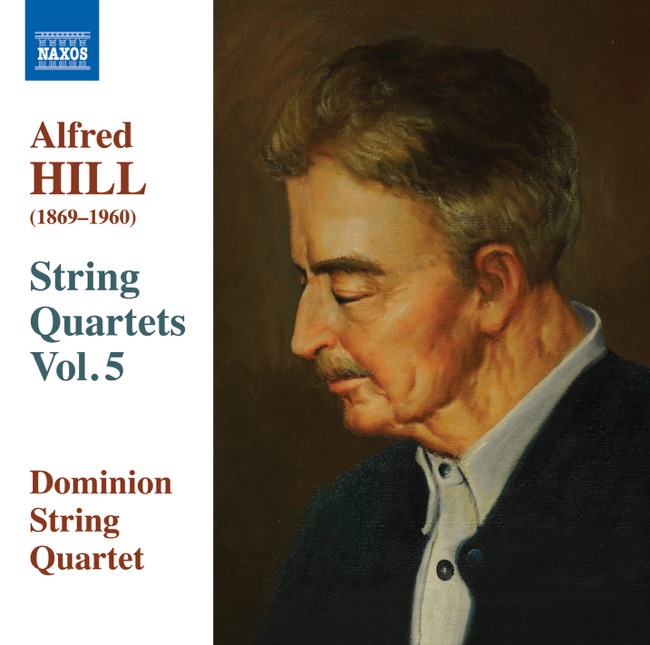 November 11, 2014
 -
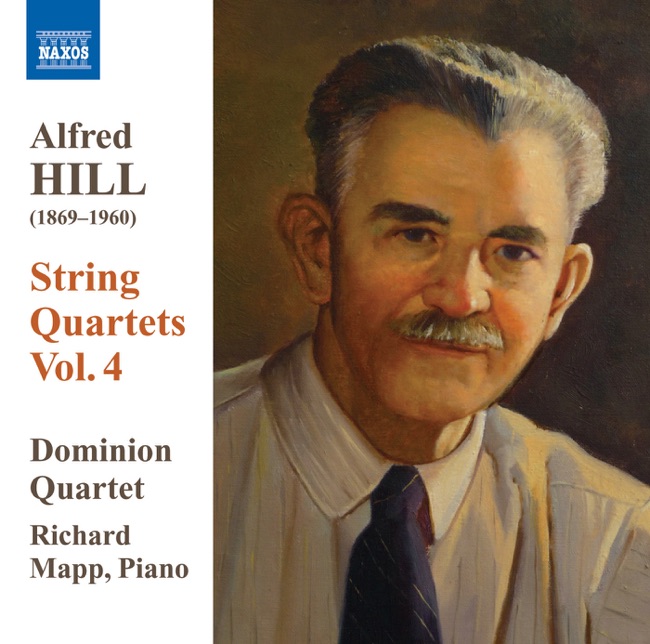 November 28, 2011
 -
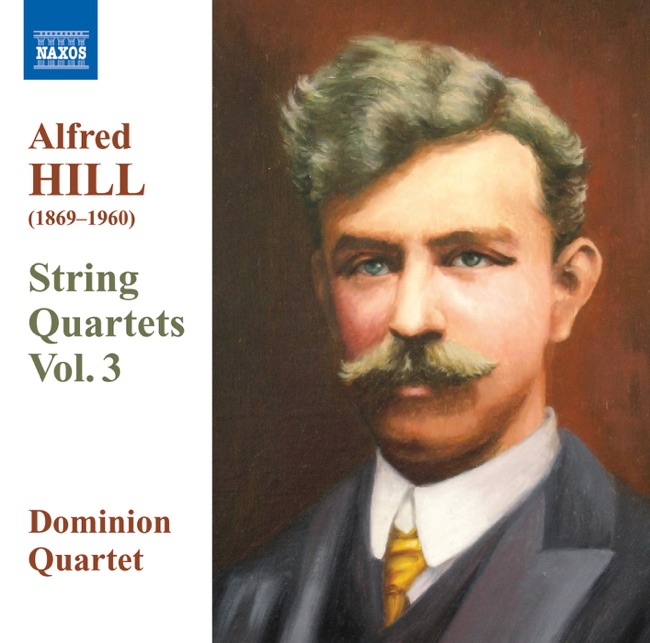 December 15, 2009
 -
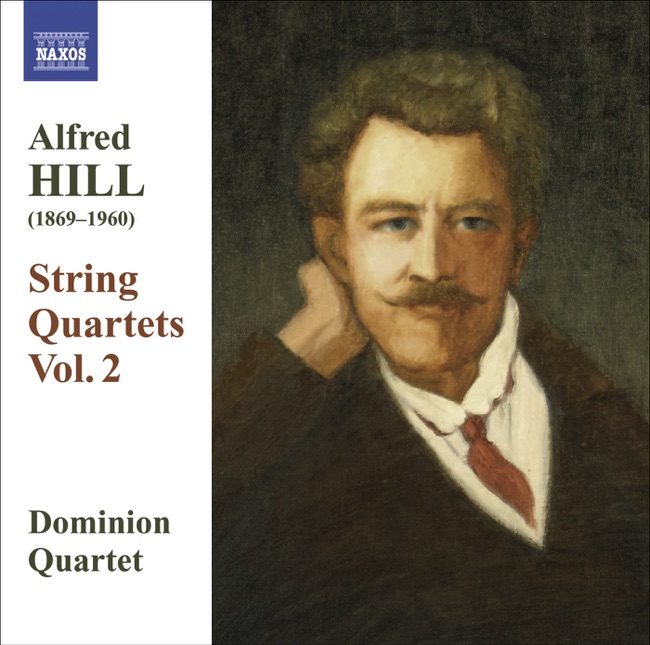 October 28, 2008
 -
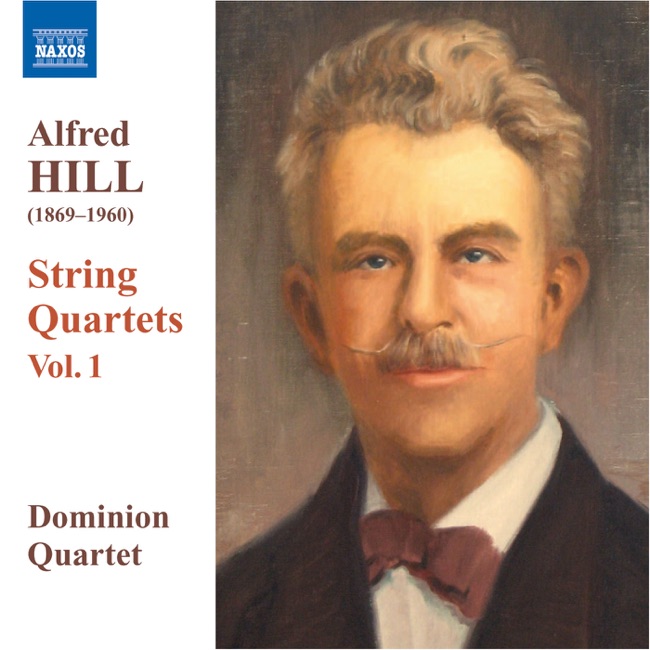 June 26, 2007
Keyboard
-
 January 17, 2018
 -
Symphony
-
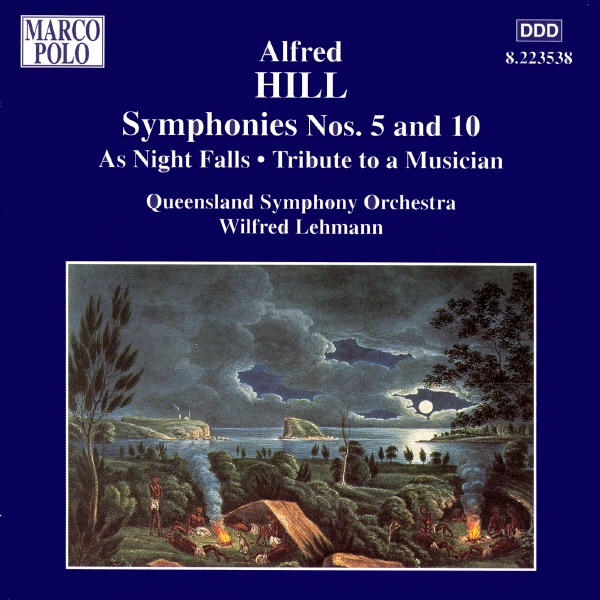 May, 1999
Artist Info
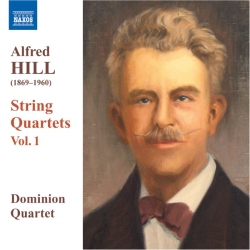
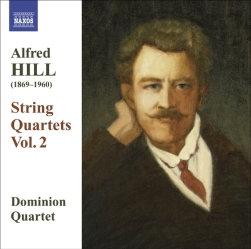
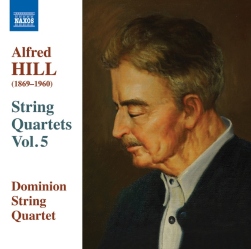
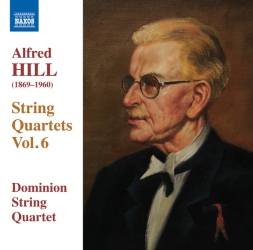
Role:ComposerCountry: AustraliaBirth:December 16, 1869 in Melbourne, AustraliaDeath:October 30, 1960 in Sydney, AustraliaPeriod:RomanticGenre:OrchestralSymphonyVocalAlfred Francis Hill was a prominent composer of classical music in the early 20th century. He was born on December 16, 1869, in Melbourne, Australia, to a family of musicians. His father, William Hill, was a violinist and conductor, and his mother, Mary-Ann, was a pianist. Alfred Hill showed an early interest in music and began playing the violin at the age of six. Hill's family moved to New Zealand when he was nine years old, and he continued his musical education there. He studied the violin with his father and later with Carl Schmitt, a German violinist who had settled in New Zealand. Hill also studied composition with Frederick Cowen, a British composer who was visiting New Zealand at the time. In 1891, Hill moved to Sydney, Australia, where he became a violinist in the orchestra of the Royal Prince Alfred Hospital. He also played in various other orchestras and chamber groups in Sydney. In 1897, he became the conductor of the Sydney Liedertafel, a choral society, and in 1901, he became the conductor of the Sydney Symphony Orchestra. Hill's early compositions were influenced by the Romantic style of the late 19th century. His first major work, the Symphony No. 1 in B-flat major, was premiered by the Sydney Symphony Orchestra in 1899. The symphony was well-received and established Hill as a composer of note in Australia. In 1902, Hill traveled to Europe to further his musical education. He studied composition with Max Bruch in Berlin and later with Charles Villiers Stanford in London. He also studied conducting with Arthur Nikisch in Leipzig. While in Europe, Hill was exposed to the music of the Impressionist and Modernist composers, which had a significant impact on his own compositions. Hill returned to Australia in 1904 and continued to compose and conduct. He wrote a number of works for orchestra, including the Symphony No. 2 in A minor, which was premiered by the Sydney Symphony Orchestra in 1906. He also wrote chamber music, choral music, and songs. In 1912, Hill moved to New Zealand, where he became the director of the New South Wales State Conservatorium of Music. He held this position until 1920, when he resigned to focus on his composing and conducting. Hill's compositions from this period show a greater influence from the Impressionist and Modernist styles. His Symphony No. 3 in B minor, premiered in 1917, is a particularly notable work from this period. The symphony is characterized by its lush harmonies and colorful orchestration. In 1921, Hill moved to London, where he continued to compose and conduct. He wrote a number of works for orchestra, including the Symphony No. 4 in C minor, which was premiered by the London Symphony Orchestra in 1927. He also wrote chamber music, choral music, and songs. Hill's later compositions show a greater influence from the neoclassical style. His Symphony No. 5 in A minor, premiered in 1934, is a particularly notable work from this period. The symphony is characterized by its clear, concise melodies and classical forms. Hill continued to compose and conduct until his death on October 30, 1960, in Sydney, Australia. He left behind a significant body of work that reflects his diverse musical influences and his commitment to the development of classical music in Australia and New Zealand.More....
Recent Artist Music
5
17:49

Copyright Ⓒ 2013 Davinci Finger. All rights reseved
Service Terms & Policy