


Anne LeBaron
Released Album
Chamber
-
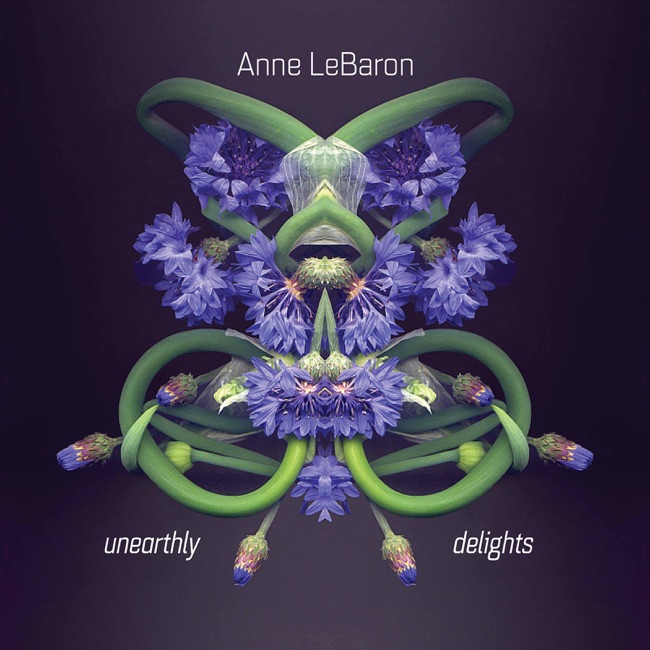 November 13, 2020
 -
 September 14, 2018
 -
 October 25, 2011
 -
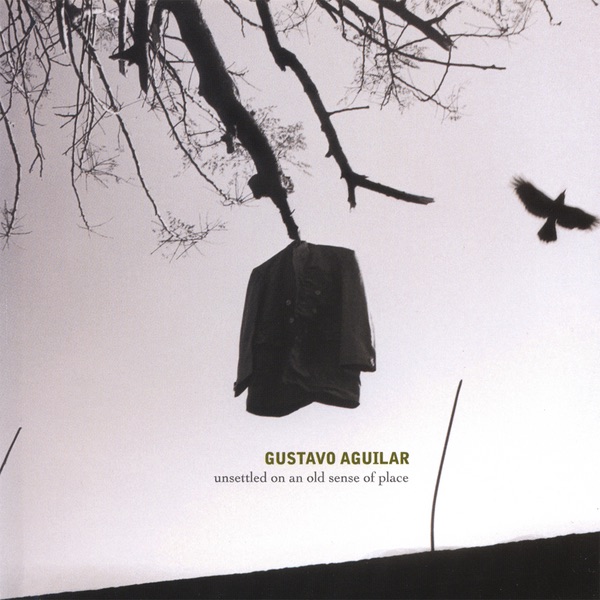 July 3, 2007
 -
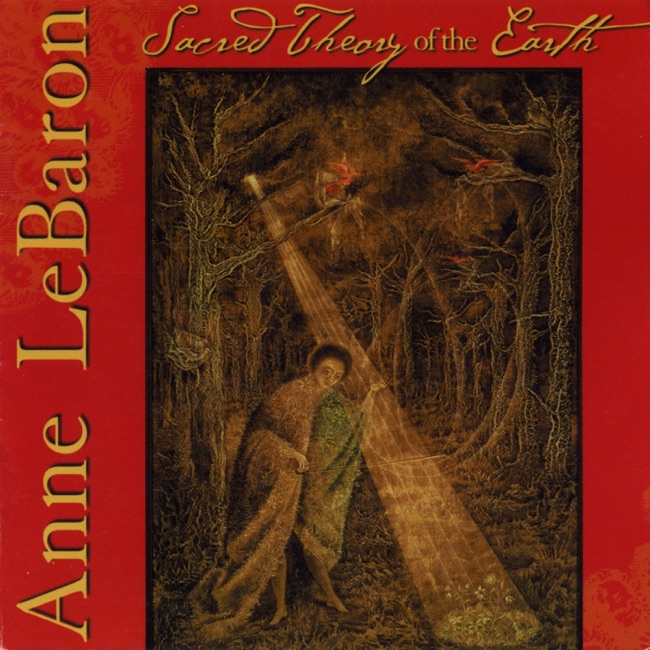 November 21, 2000
Vocal
-
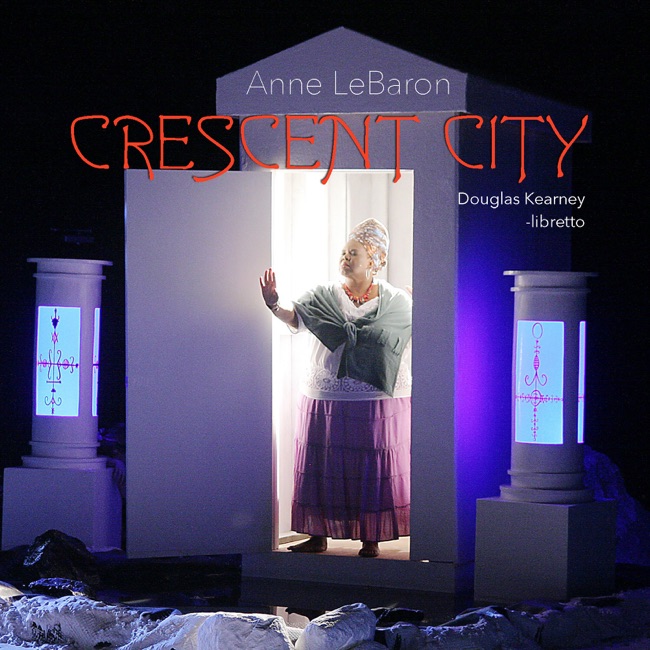 October 28, 2014
 -
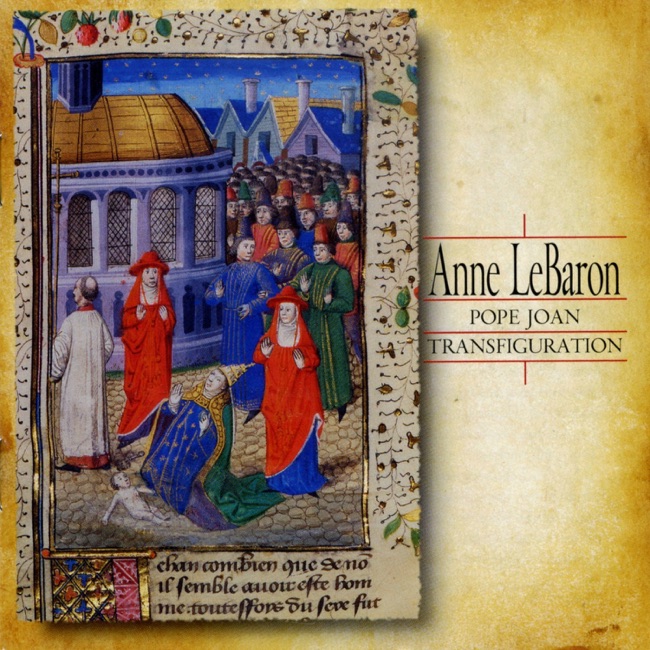 November 6, 2007
 -
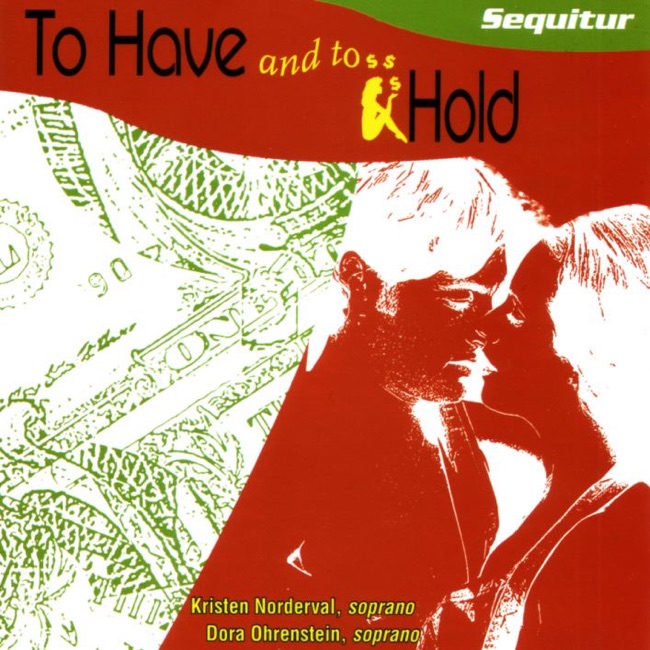 April 24, 2007
Artist Info
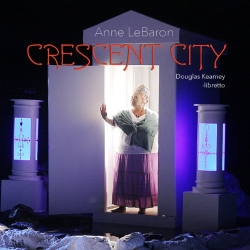
Role:Composer ConductorCountry: United States of AmericaBirth:May 30, 1953 in Baton Rouge, LAGenre:Avant-GardeChamberVocalAnne LeBaron is a renowned American composer who has made significant contributions to the world of contemporary classical music. Born on November 12, 1953, in Baton Rouge, Louisiana, LeBaron grew up in a family of musicians. Her mother was a pianist, and her father was a jazz musician who played the trumpet. LeBaron started playing the piano at a young age and later learned to play the harp, which became her primary instrument. LeBaron received her Bachelor of Music degree from the University of Alabama in 1975. She then went on to study at the California Institute of the Arts, where she earned her Master of Fine Arts degree in 1977. During her time at CalArts, LeBaron studied with renowned composers such as Morton Subotnick, Mel Powell, and Leonard Stein. LeBaron's early works were heavily influenced by the avant-garde and experimental music of the 1970s. Her compositions often incorporated electronic music, improvisation, and extended techniques. One of her most notable early works is "Rana, Ritual for Frog Prince," which was premiered in 1979. The piece is a multimedia work that combines music, dance, and video projection. It features a solo harpist who performs alongside a dancer dressed as a frog. In the 1980s, LeBaron's music began to incorporate more traditional elements of classical music. She started to write for larger ensembles, including orchestras and chamber groups. One of her most significant works from this period is "Concerto for Active Frogs," which was premiered in 1985. The piece is a concerto for harp and chamber orchestra that features a soloist who plays a specially designed harp that can be played by frogs. The piece is a playful and whimsical exploration of the relationship between humans and animals. LeBaron's music continued to evolve throughout the 1990s and 2000s. She began to incorporate more diverse musical influences into her work, including jazz, blues, and world music. She also started to explore the intersection of music and technology, creating works that incorporated live electronics and computer-generated sounds. One of LeBaron's most significant works from this period is "Wuorinen Variations," which was premiered in 1990. The piece is a set of variations on a theme by composer Charles Wuorinen. It features a large ensemble of instruments, including strings, winds, and percussion, as well as live electronics. The piece is a complex and intricate exploration of the possibilities of variation form. Another notable work from this period is "Crescent City," which was premiered in 2002. The piece is a multimedia work that combines music, dance, and video projection. It is a tribute to the city of New Orleans and its rich musical heritage. The piece features a large ensemble of musicians, including a jazz band, a gospel choir, and a classical orchestra. It is a powerful and moving tribute to the resilience and spirit of the people of New Orleans. LeBaron's music has been performed by some of the world's leading ensembles and musicians, including the Los Angeles Philharmonic, the Kronos Quartet, and the Arditti Quartet. She has received numerous awards and honors for her work, including a Guggenheim Fellowship, a Fulbright Fellowship, and a Rockefeller Foundation Residency. In addition to her work as a composer, LeBaron is also a respected educator and scholar.More....
Recent Artist Music


Copyright Ⓒ 2013 Davinci Finger. All rights reseved
Service Terms & Policy