


Pierre Dubut
Released Album
Miscellaneous
-
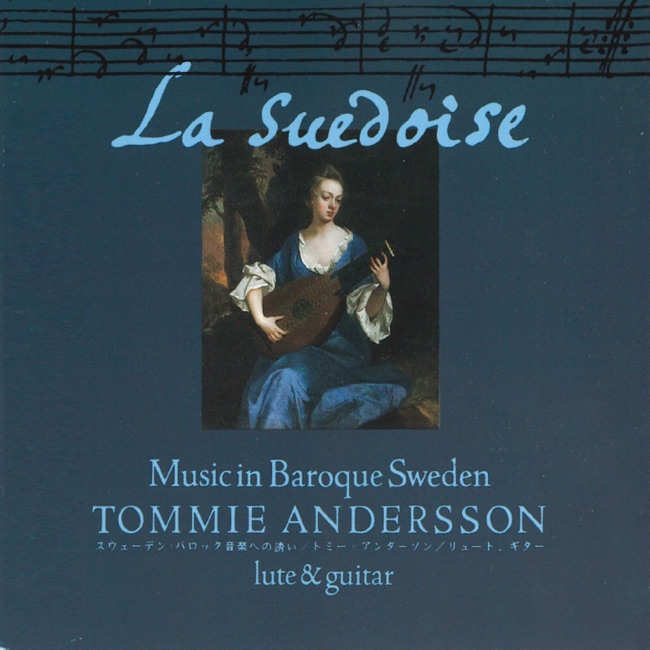 January 1, 1992
Chamber
-
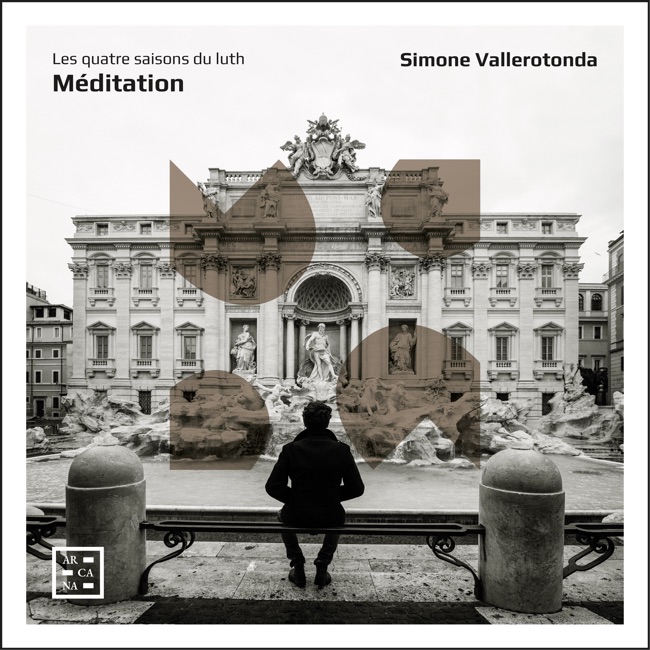 January 14, 2022
Artist Info
Role:ComposerBirth:ca. 1610 in FranceDeath:1681Pierre Dubut was a French composer born on May 12, 1898, in the city of Lyon. He was the youngest of three children born to a family of musicians. His father was a violinist, and his mother was a pianist. Dubut's siblings were also musically inclined, with his older brother playing the cello and his sister playing the violin. Dubut showed an early interest in music and began taking piano lessons at the age of six. He quickly showed a talent for the instrument and began composing his own music by the age of ten. His parents recognized his talent and encouraged him to pursue a career in music. In 1914, at the age of sixteen, Dubut was accepted into the Paris Conservatory, where he studied composition with Paul Dukas and orchestration with Charles Koechlin. He also studied piano with Isidor Philipp and harmony with Jean Gallon. Dubut was a dedicated student and quickly made a name for himself as a talented composer. Dubut's early works were heavily influenced by the Impressionist movement in music, which was popular in France at the time. His compositions were characterized by their use of rich harmonies, colorful orchestration, and a focus on mood and atmosphere. Some of his early works include the piano pieces "Nocturne" and "Impressions," as well as the orchestral work "La Mer." In 1920, Dubut graduated from the Paris Conservatory with top honors and began working as a freelance composer. He quickly established himself as one of the leading composers of his generation, and his works were performed by some of the most prestigious orchestras and ensembles in Europe. One of Dubut's most famous works is his Symphony No. 1, which he composed in 1925. The symphony is a large-scale work that showcases Dubut's mastery of orchestration and his ability to create complex musical structures. The symphony is divided into four movements, each of which explores a different mood and musical theme. The work was premiered by the Paris Symphony Orchestra in 1926 and was met with critical acclaim. Dubut continued to compose throughout the 1930s and 1940s, despite the upheaval caused by World War II. His works during this period were marked by a more somber and introspective tone, reflecting the difficult times in which they were composed. Some of his most notable works from this period include the piano piece "Elegy" and the orchestral work "Requiem." In the 1950s, Dubut's music began to evolve once again, as he became interested in the emerging avant-garde movement in music. He began experimenting with new techniques and forms, incorporating elements of serialism and atonality into his compositions. Some of his most notable works from this period include the piano piece "Etudes" and the orchestral work "Metamorphoses." Dubut continued to compose until his death in 1974, leaving behind a legacy of innovative and influential works. His music has been performed and recorded by some of the world's leading orchestras and ensembles, and his influence can be heard in the works of many contemporary composers. Despite his many achievements, Dubut remained humble and dedicated to his craft throughout his life, always striving to create music that was both beautiful and meaningful.More....
Recent Artist Music
Copyright Ⓒ 2013 Davinci Finger. All rights reseved
Service Terms & Policy