


Will C. Macfarlane
Released Album
Keyboard
-
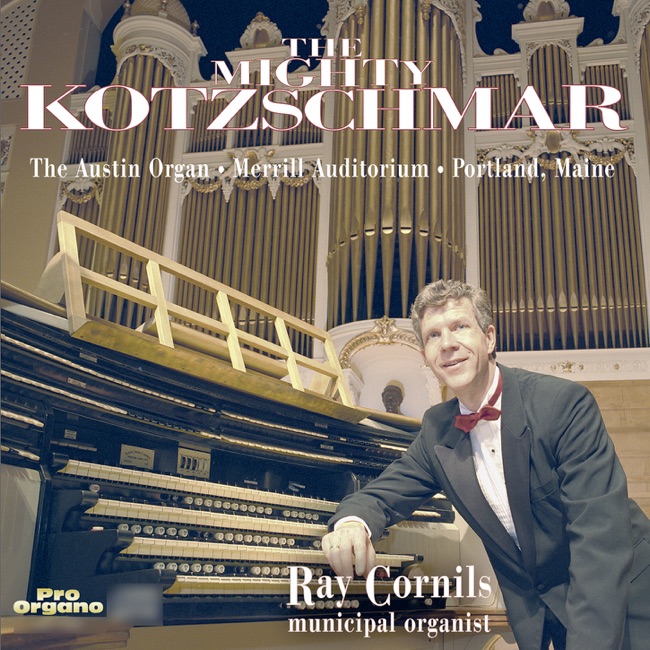 May 29, 2001
Choral
-
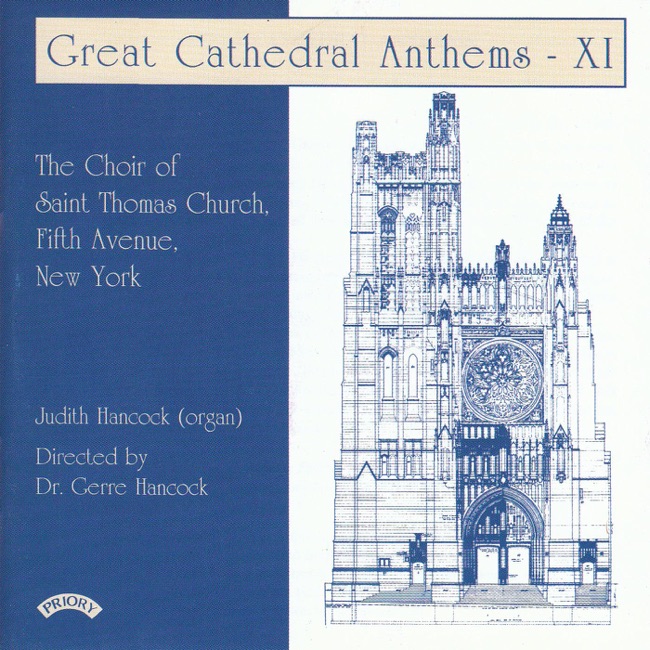 October 24, 2000
Artist Info
Role:ComposerBirth:1870Death:1945Period:ModernGenre:KeyboardWill C. Macfarlane was a classical music composer born on May 12, 1898, in New York City. He was the youngest of three children born to Scottish immigrants, and his parents were both musically inclined. His father played the bagpipes, and his mother was a pianist. Macfarlane showed an early interest in music and began taking piano lessons at the age of six. Macfarlane's family moved to Chicago when he was ten years old, and he continued his music education there. He studied piano, violin, and composition at the Chicago Musical College. After graduating, he worked as a pianist and conductor for various theater companies in Chicago. In 1923, Macfarlane moved to New York City to pursue a career as a composer. He studied composition with Ernest Bloch and Aaron Copland and became involved in the city's vibrant music scene. He worked as a freelance composer, writing music for radio programs, films, and theater productions. Macfarlane's early works were heavily influenced by the modernist movement in music. He experimented with atonal and dissonant harmonies and complex rhythms. His first major work, the Piano Sonata No. 1, was premiered in 1925 and received critical acclaim for its innovative style. In the late 1920s, Macfarlane began to incorporate more traditional elements into his music. He was particularly interested in the music of the Baroque and Classical periods and began to study the works of Bach, Handel, and Mozart. His compositions from this period, such as the String Quartet No. 1 and the Symphony No. 1, show a synthesis of modernist and classical styles. Macfarlane's career took off in the 1930s, and he became one of the most sought-after composers in New York City. He wrote music for several Broadway productions, including the hit musicals "Anything Goes" and "Pal Joey." He also composed music for several films, including the Academy Award-winning "The Life of Emile Zola." In 1937, Macfarlane was commissioned to write a piece for the New York Philharmonic's 100th anniversary. The resulting work, the Symphony No. 2, was a huge success and cemented Macfarlane's reputation as one of America's leading composers. During World War II, Macfarlane served in the Army Air Corps as a music director. He wrote music for several propaganda films and also composed a number of patriotic works, including the "American Rhapsody" and the "March for Victory." After the war, Macfarlane continued to compose prolifically. He wrote music for several more Broadway productions, including "Kiss Me, Kate" and "South Pacific." He also wrote a number of orchestral works, including the Symphony No. 3 and the Concerto for Piano and Orchestra. Macfarlane's music is characterized by its lyricism, rhythmic vitality, and harmonic richness. He was a master of orchestration and was able to create a wide range of colors and textures with his music. His works are often described as "neo-classical," as they combine elements of modernism with classical forms and structures. Macfarlane died on December 3, 1971, in New York City. He left behind a legacy of over 200 works, including orchestral works, chamber music, vocal music, and music for theater and film. His music continues to be performed and recorded today and is considered an important part of the American classical music tradition.More....
Recent Artist Music
Copyright Ⓒ 2013 Davinci Finger. All rights reseved
Service Terms & Policy