


Moniot d'Arras
Released Album
Vocal
-
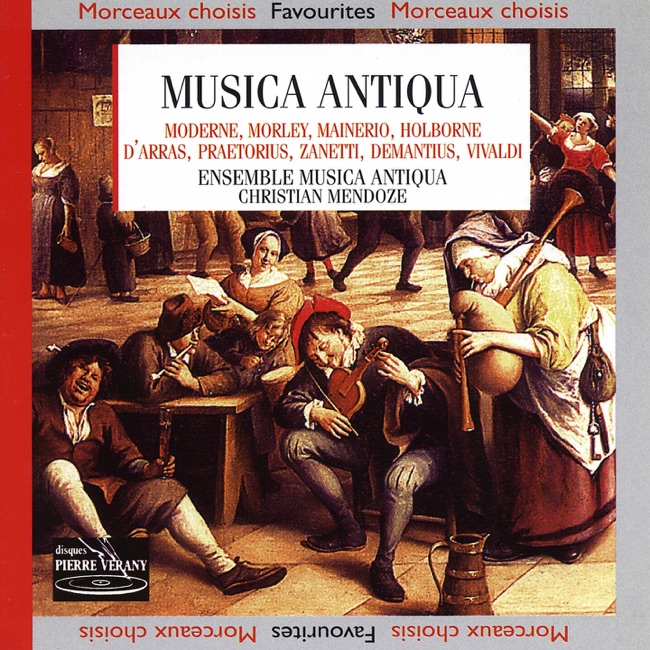 October 27, 2002
 -
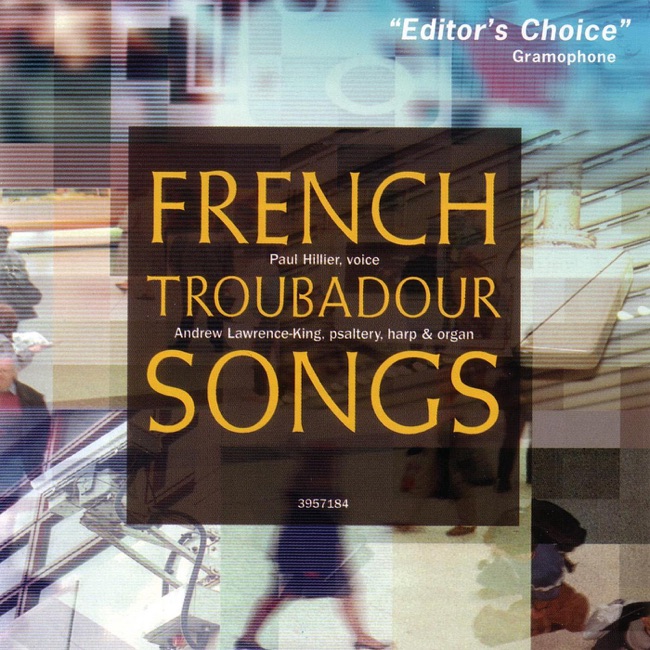 May 8, 2001
 -
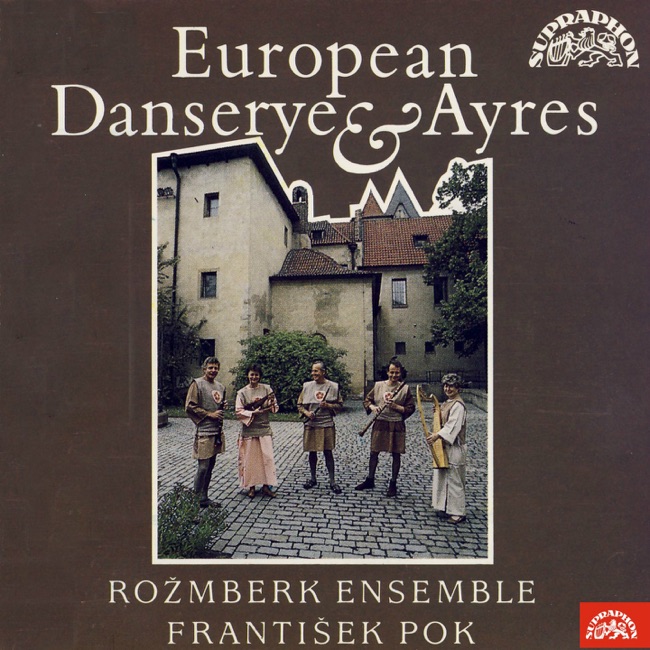 July 26, 1994
 -
 January, 1987
Artist Info
Role:ComposerBirth:1213Death:1239Period:RenaissanceGenre:VocalMoniot d'Arras was a French composer of the 13th century, known for his contributions to the development of the Ars Nova style of music. Little is known about his life, but his surviving works provide insight into his musical style and influence. Moniot d'Arras was likely born in the town of Arras in northern France, although the exact date of his birth is unknown. He was likely trained in the musical traditions of the Notre Dame school, which was centered in Paris and was the leading center of musical innovation in Europe at the time. Moniot d'Arras is known to have worked as a musician and composer in the court of the Count of Flanders, where he likely composed many of his surviving works. He is also known to have traveled to Italy, where he may have been exposed to the emerging Italian Ars Nova style of music. Moniot d'Arras is best known for his chansons, which were secular songs typically performed by troubadours and trouveres. His chansons are characterized by their complex rhythms and harmonies, which were innovative for their time. Many of his chansons feature intricate polyphonic textures, with multiple voices singing different melodies simultaneously. One of Moniot d'Arras's most famous chansons is "Ce fut en mai", which tells the story of a young woman who falls in love with a knight. The chanson is notable for its use of syncopated rhythms and its complex harmonies, which create a sense of tension and drama. Another famous chanson by Moniot d'Arras is "Fumeux fume", which tells the story of a man who is consumed by his love for a woman. The chanson is notable for its use of dissonant harmonies and its complex rhythms, which create a sense of unease and tension. Moniot d'Arras also composed several motets, which were sacred songs typically performed in church. His motets are characterized by their use of complex polyphonic textures and their intricate harmonies. One of his most famous motets is "Flos Filius eius", which tells the story of the birth of Christ. The motet is notable for its use of complex rhythms and its intricate harmonies, which create a sense of awe and wonder. Moniot d'Arras's influence on the development of the Ars Nova style of music cannot be overstated. His use of complex rhythms and harmonies paved the way for later composers to explore new musical possibilities. His chansons and motets continue to be studied and performed today, and his legacy as a pioneering composer of the Ars Nova style of music lives on.More....
Recent Artist Music

Copyright Ⓒ 2013 Davinci Finger. All rights reseved
Service Terms & Policy