


Giovanni Francesco Anerio
Released Album
Choral
-
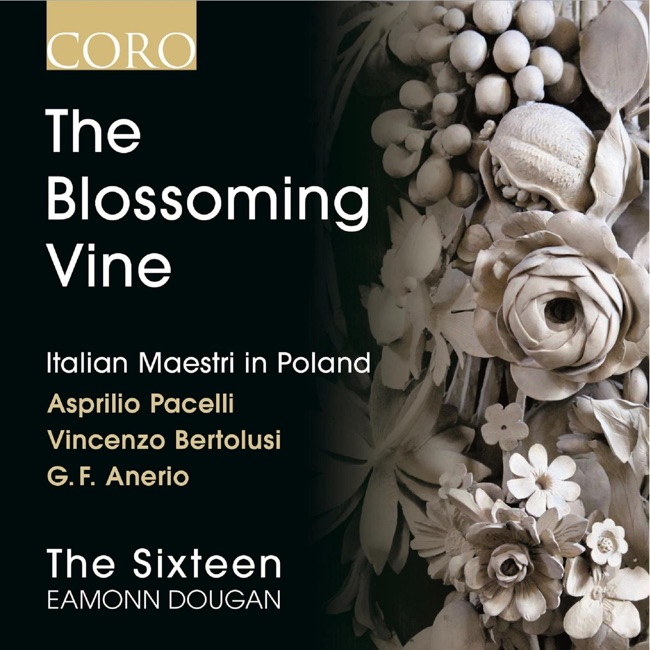 April 28, 2014
 -
-
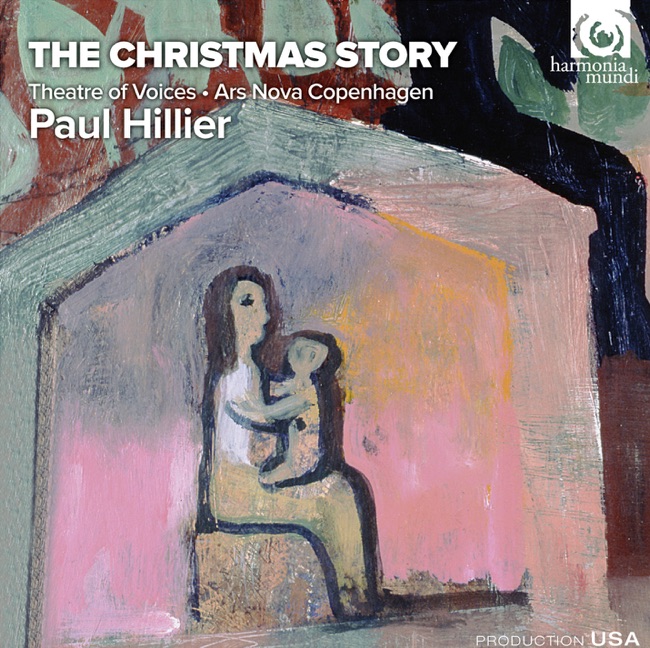 September 1, 2011
 -
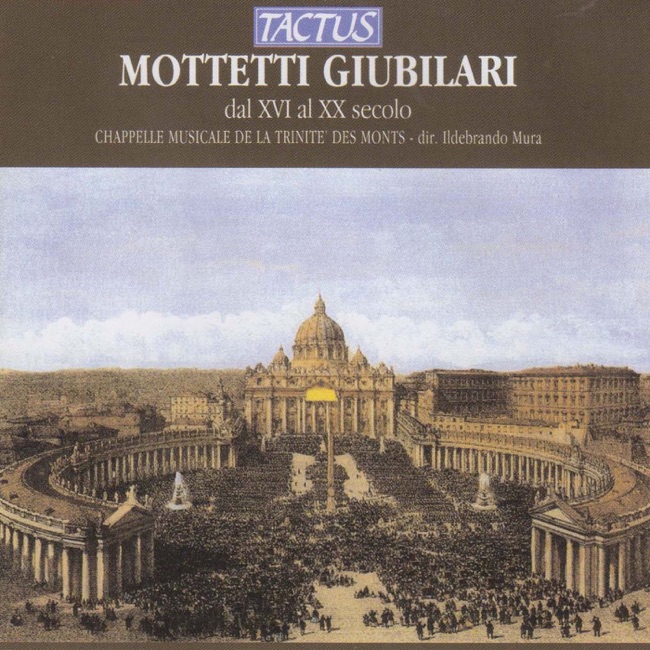 May 4, 2004
Vocal
-
 September 7, 2018
Artist Info
Role:ComposerCountry: ItalyBirth:1567 in Rome, ItalyDeath:June 12, 1630 in Graz, AustriaPeriod:RenaissanceGenre:ChoralGiovanni Francesco Anerio was a prominent Italian composer of the late Renaissance and early Baroque periods. He was born in Rome in 1567, the son of a musician, and grew up in a musical family. His father, Felice Anerio, was a composer and singer at the Papal Chapel, and his brother, Felice Anerio, was also a composer. Anerio began his musical education at a young age, studying with his father and other prominent musicians in Rome. He quickly showed a talent for composition, and by the age of 20, he had already published several works. In 1594, he was appointed as a singer at the Papal Chapel, where he would remain for the rest of his career. Anerio's music was heavily influenced by the polyphonic style of the late Renaissance, but he also incorporated elements of the emerging Baroque style. His works were characterized by their rich harmonies, expressive melodies, and intricate counterpoint. One of Anerio's most famous works is his setting of the Stabat Mater, a hymn that describes the suffering of Mary at the crucifixion of Jesus. Anerio's version of the hymn is notable for its emotional intensity and dramatic contrasts, with sections of quiet contemplation alternating with passages of intense anguish. Another notable work by Anerio is his Missa Pro Defunctis, a requiem mass that was composed in memory of his father. The mass is a powerful expression of grief and mourning, with haunting melodies and intricate harmonies that convey a sense of profound sadness. In addition to his sacred music, Anerio also composed a number of secular works, including madrigals and canzonettas. These works were often lighter in tone than his sacred music, with playful melodies and witty lyrics. Despite his considerable talent and success as a composer, Anerio's life was not without its challenges. He lived during a time of great political and religious upheaval in Italy, and his music was often subject to censorship and suppression by the Catholic Church. In addition, he struggled with financial difficulties throughout his career, and was forced to rely on the patronage of wealthy individuals and institutions to support himself. Despite these challenges, Anerio remained dedicated to his music, and continued to compose until his death in 1630. His legacy as a composer has endured to this day, with his works still performed and admired by musicians and audiences around the world.More....
Recent Artist Music
1
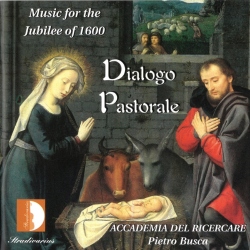
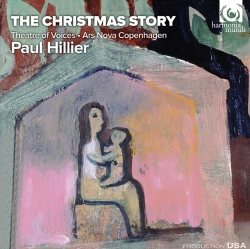
Pastoral dialogue at the Crib of Our Lord
Nell'Appair... Gloria Cantaro... Onde Là... Quivi Trovaro...
5:58

4
7:6
6
2:2


Copyright Ⓒ 2013 Davinci Finger. All rights reseved
Service Terms & Policy