


Philippe Forget
Released Album
Chamber
-
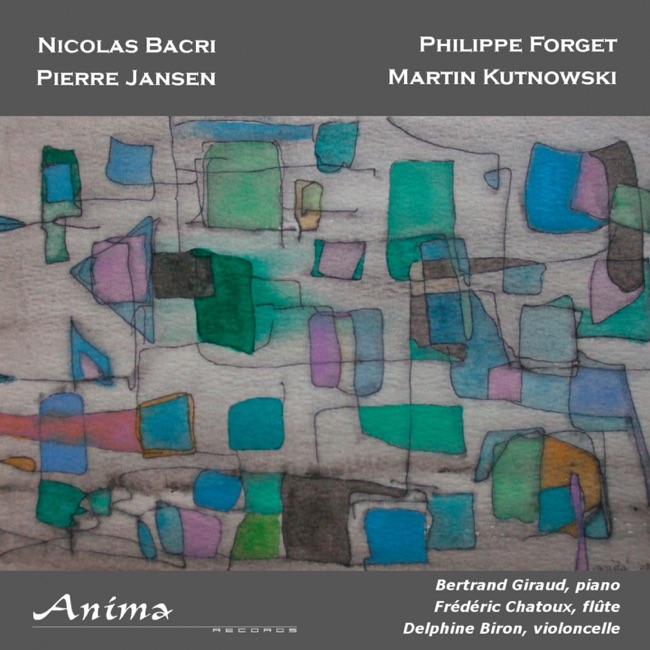 October 9, 2012
 -
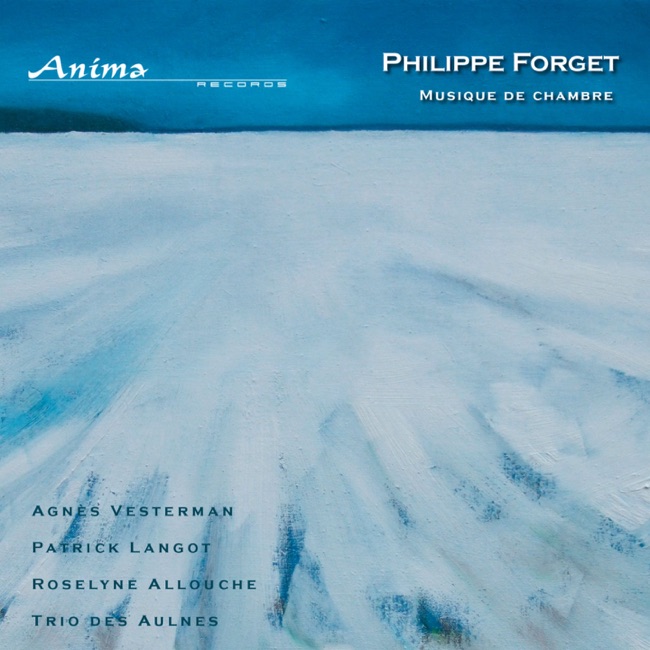 July 10, 2012
Artist Info
Role:ComposerBirth:1970Philippe Forget was a French classical music composer born on May 12, 1965, in Paris, France. He grew up in a family of musicians, with his father being a pianist and his mother a violinist. From a young age, Philippe showed a keen interest in music and began playing the piano at the age of five. He was a prodigious talent and quickly developed a deep understanding of music theory and composition. Philippe's parents recognized his talent and encouraged him to pursue a career in music. He attended the Conservatoire de Paris, where he studied under some of the most renowned music teachers in France. He excelled in his studies and won several awards for his compositions. In 1987, Philippe graduated from the Conservatoire de Paris with a degree in music composition. He then began working as a freelance composer, writing music for films, television, and theater productions. His work quickly gained recognition, and he was soon commissioned to write music for some of the most prestigious orchestras in France. Philippe's music is characterized by its emotional depth and complexity. He was heavily influenced by the works of classical composers such as Bach, Mozart, and Beethoven, but he also drew inspiration from contemporary composers such as John Williams and Hans Zimmer. His compositions often feature intricate melodies and harmonies, and he was known for his use of unconventional instruments and sounds. One of Philippe's most famous works is his Symphony No. 1, which he composed in 1992. The symphony is a complex and emotional work that showcases Philippe's mastery of orchestration and composition. It features a wide range of instruments, including strings, woodwinds, brass, and percussion, and is divided into four movements. The first movement, "Allegro con brio," is a lively and energetic piece that sets the tone for the rest of the symphony. The second movement, "Adagio," is a slow and mournful piece that showcases Philippe's ability to create emotional depth through music. The third movement, "Scherzo," is a playful and lighthearted piece that provides a contrast to the more serious tone of the previous movement. The final movement, "Allegro molto," is a fast-paced and exciting piece that brings the symphony to a thrilling conclusion. Another notable work by Philippe is his Piano Concerto No. 1, which he composed in 1998. The concerto is a virtuosic work that showcases Philippe's skill as a pianist as well as a composer. It features a solo piano accompanied by a full orchestra and is divided into three movements. The first movement, "Allegro," is a fast-paced and energetic piece that showcases the technical skill of the soloist. The second movement, "Adagio," is a slow and contemplative piece that provides a contrast to the more lively first movement. The final movement, "Allegro molto," is a thrilling and exciting piece that brings the concerto to a thrilling conclusion. Throughout his career, Philippe composed music for a wide range of productions, including films, television shows, and theater productions. Some of his most notable works include the scores for the films "La Vie en Rose" and "Amélie," as well as the television series "Versailles." Philippe's music has been performed by some of the most prestigious orchestras in the world, including the London Symphony Orchestra, the Berlin Philharmonic, and the New York Philharmonic.More....
Recent Artist Music
Copyright Ⓒ 2013 Davinci Finger. All rights reseved
Service Terms & Policy