


Gustav Uwe Jenner
Released Album
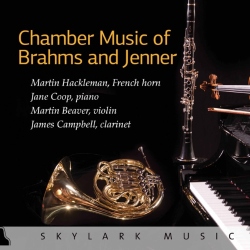
Chamber
-
 July 3, 2020
 -
 December 7, 2018
 -
 February 16, 2018
 -
 June 2, 2017
 -
 November 15, 2011
 -
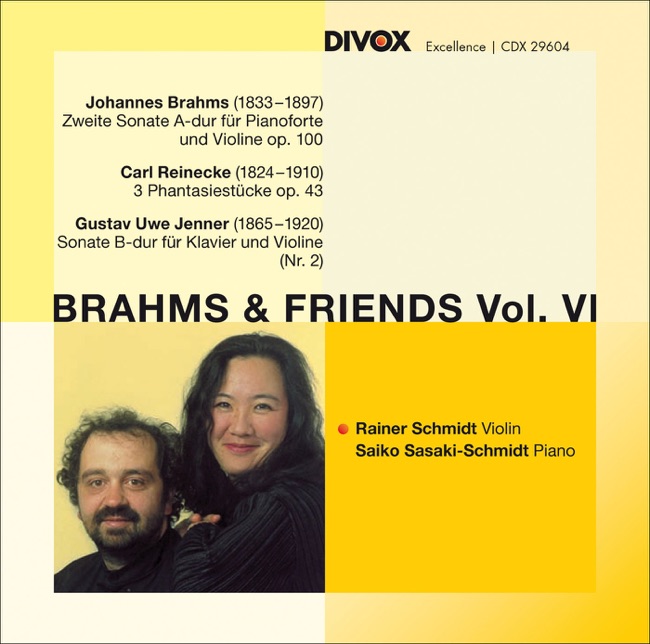 February 23, 2010
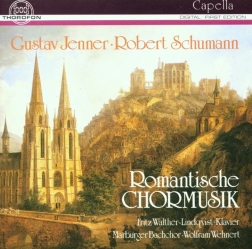
Choral
-
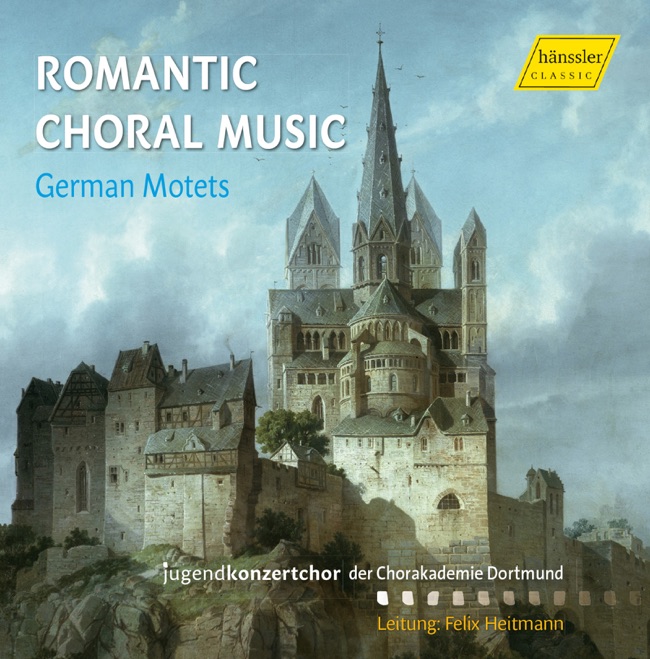 January 27, 2017
 -
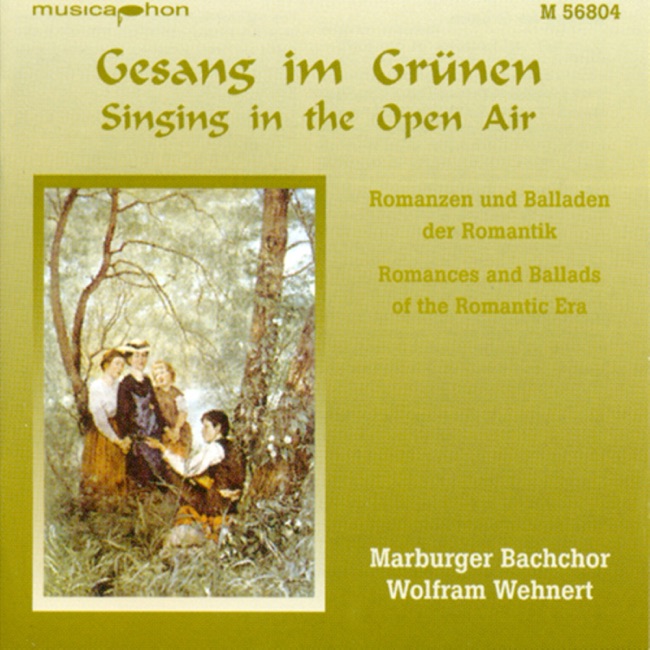 September 9, 2000
 -
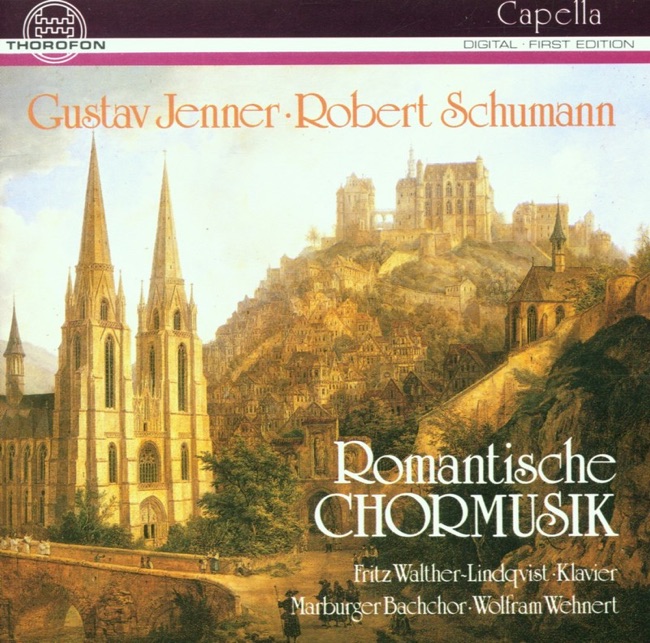 January 1, 1988
Keyboard
-
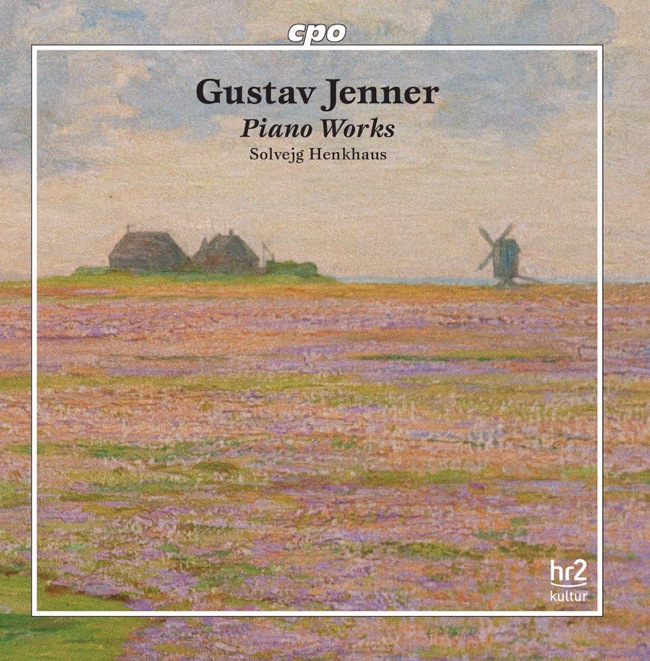 January 1, 2021
Artist Info
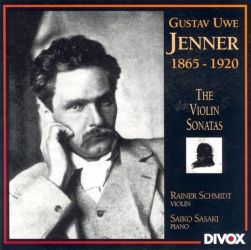
Role:ComposerBirth:1865Death:1920Period:RomanticGenre:ChamberChoralGustav Uwe Jenner was a German composer and music teacher who lived from 1865 to 1920. He was born in Sonnefeld, a small town in Bavaria, Germany, on March 2, 1865. His father was a teacher and his mother was a musician, so he grew up in a household that valued education and music. Jenner showed an early interest in music and began taking piano lessons at the age of six. He later studied music theory and composition with the composer and music theorist Philipp Spitta. Spitta was a close friend of Johannes Brahms, and Jenner was greatly influenced by Brahms' music. In 1884, Jenner moved to Berlin to study at the Hochschule für Musik. He studied composition with Friedrich Kiel and piano with Ernst Rudorff. While in Berlin, Jenner also attended concerts and met many of the leading musicians of the day, including Brahms, who became a mentor and friend. Jenner's early compositions were heavily influenced by Brahms' music. He wrote chamber music, including string quartets and piano trios, as well as songs and choral works. His music was well received by critics and audiences, and he began to establish a reputation as a promising young composer. In 1891, Jenner was appointed as a music teacher at the Hochschule für Musik in Berlin. He taught music theory and composition, and his students included the composer Paul Hindemith. Jenner was a respected and influential teacher, and his students praised his ability to inspire and guide them. Jenner continued to compose throughout his career, and his music evolved over time. He began to incorporate elements of impressionism and modernism into his compositions, while still retaining the classical forms and structures that he had learned from Brahms and Kiel. One of Jenner's most famous works is his Symphony No. 1 in C minor, which he composed in 1895. The symphony is a large-scale work that showcases Jenner's skill as a composer. It is a four-movement work that follows the traditional symphonic form, with a slow introduction, a fast and lively first movement, a slow and lyrical second movement, a lively and dance-like third movement, and a triumphant finale. Jenner's other notable works include his Piano Concerto in F minor, his String Quartet No. 2 in D major, and his choral work Der Abend. His music is characterized by its lyrical melodies, rich harmonies, and sophisticated use of counterpoint. Jenner's career was cut short by his untimely death in 1920. He died of pneumonia at the age of 55, leaving behind a legacy of music and teaching that continues to inspire musicians today. His music is still performed and recorded, and his influence can be heard in the works of many composers who came after him. In conclusion, Gustav Uwe Jenner was a talented composer and music teacher who made significant contributions to the world of classical music. He was influenced by the music of Brahms and other composers of his time, but he also developed his own unique style that incorporated elements of impressionism and modernism. His music is characterized by its lyrical melodies, rich harmonies, and sophisticated use of counterpoint. Although his career was cut short by his untimely death, his legacy lives on through his music and the many students he taught and inspired.More....
Recent Artist Music
2
5:34
4
5:39

10
7:14

Copyright Ⓒ 2013 Davinci Finger. All rights reseved
Service Terms & Policy