


Dimitrie Cantemir
Released Album
Miscellaneous
-
 June 13, 2005
 -
 January 30, 2004
Chamber
-
 May 26, 2017
 -
 September 20, 2013
Vocal
-
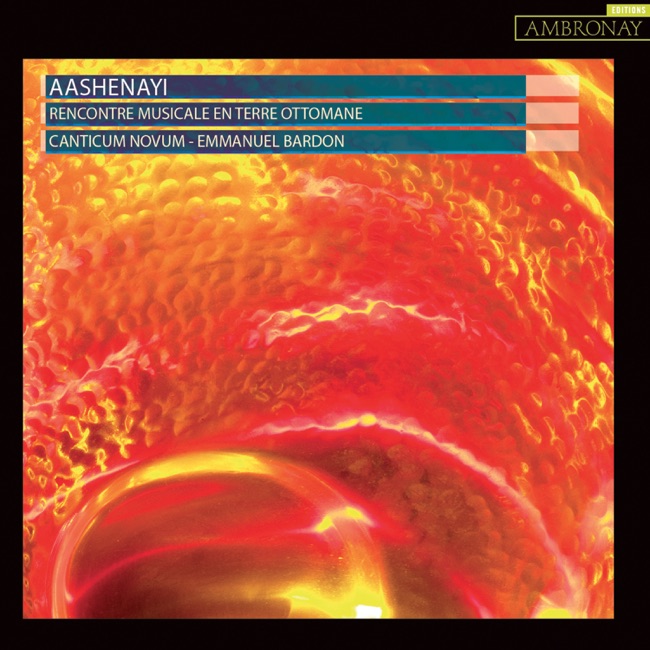 April 21, 2015
Artist Info
Role:ComposerCountry: RomaniaBirth:October 26, 1673Death:August 21, 1723Period:BaroqueDimitrie Cantemir was a Romanian composer, musician, and scholar who lived from 1673 to 1723. He was born in the Moldavian city of Suceava, which was then part of the Ottoman Empire. Cantemir was the son of a Moldavian prince, and he grew up in a family that valued education and culture. His father, Constantin Cantemir, was a scholar and writer who had studied in Istanbul and had served as a diplomat for the Moldavian court. Cantemir received a traditional education in the Moldavian court, where he learned Latin, Greek, and Turkish. He also studied music and became proficient in playing the lute, the violin, and the flute. In addition to his musical talents, Cantemir was also a gifted writer and scholar. He wrote several books on history, geography, and politics, including a famous work called "The History of the Growth and Decay of the Ottoman Empire." Cantemir's musical career began when he was appointed as the court musician for the Moldavian prince. He composed music for various occasions, including weddings, funerals, and religious ceremonies. His music was influenced by both Western and Eastern traditions, and he was known for his skillful use of improvisation and ornamentation. One of Cantemir's most famous works is his "Collection of Oriental Music," which he compiled during his time as a diplomat in Istanbul. The collection includes over 350 pieces of music from various regions of the Ottoman Empire, including Turkey, Egypt, and Persia. Cantemir transcribed the music using Western notation and added his own annotations and commentary. The collection is considered to be one of the most important sources of information on Ottoman music from the 18th century. Cantemir's other notable works include his "Divanul" (The Diwan), a collection of poems and songs in Romanian and Turkish, and his "Descriptio Moldaviae" (Description of Moldavia), a detailed account of the geography, history, and culture of his homeland. He also composed several pieces of instrumental music, including sonatas and suites for the lute and the violin. Cantemir's life was marked by political turmoil and upheaval. He served as the prince of Moldavia for a brief period in the early 18th century, but he was forced to flee to Russia after a coup d'etat. In Russia, he was welcomed by Peter the Great, who appointed him as a diplomat and scholar. Cantemir spent the rest of his life in Russia, where he continued to write and compose music. Cantemir's legacy as a composer and scholar has been celebrated in Romania and beyond. His music and writings have been studied and performed by musicians and scholars around the world. In 1934, the Romanian government established the Dimitrie Cantemir Prize, which is awarded to individuals who have made significant contributions to Romanian culture and scholarship. In conclusion, Dimitrie Cantemir was a talented musician, writer, and scholar who made significant contributions to the cultural heritage of Romania and the Ottoman Empire. His music and writings continue to inspire and educate people around the world, and his legacy as a composer and scholar remains an important part of Romanian and Ottoman history.More....
Recent Artist Music
1
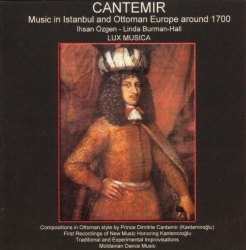
4:44
4
2:50
6
Der makam-i 'Uzzâl usules Devr-i kebir (Music in usules mode and devr-i kebir rhythm)
Der makam-I "Uzzäl Sakil Turna"
3:23

Copyright Ⓒ 2013 Davinci Finger. All rights reseved
Service Terms & Policy